Answering the need for vibrant pink rain lilies, this guide highlights easy-to-grow Zephyranthes options that brighten borders, containers, and rock gardens. Ideal for gardeners seeking year-after-year color with simple care, these selections suit both new and experienced plant owners. The top picks emphasize perennial flowering, naturalizing ability, and reliable spring-to-summer performance.
The following quick-reference table compares the five featured products to help you decide at a glance.
| Product | Size / Pack | Best For | Notes |
|---|---|---|---|
| Zephyranthes Robustus (Pink Rain Lily) XXL Top Size Bulbs | 12 Pack | Front borders, containers, quick payoff for a pink display | Compact 10–12″ height; multiple bloom cycles; perennials that naturalize |
| Zephyranthes Grandiflora Pink Rain Lily Bulbs | 5 Pack | Garden beds with repeated blooming | Easy to grow; pink blooms, perennial |
| Zephyranthes Robustus (Pink Rain Lily) XXL Top Size Bulbs | 25 Pack | Larger container displays or mass plantings | Similar height and bloom habit; more plants for naturalizing |
| (12) Pink Rain Lily Flower Plants – Zephyranthes Grandiflora | 12 Plants | Pots or mixed borders; easy-care starter option | Blooms after summer showers; zone tolerance varies; easy to grow |
| Pink Party Daffodil Bulbs for Planting | 10 Bulbs | Fragrant spring color in beds and borders | Not a Zephyranthes species; different flowering timeline |
Zephyranthes Robustus Pink Rain Lily — 12 Pack

Height typically reaches 10–12 inches, making it a compact choice for borders, rock gardens, or container displays. Best for gardeners who want a reliable pink bloom with a perennial, naturalizing habit. Each bloom lasts only a few days, but multiple rounds provide ongoing color. This option is well-suited for small-space gardening or for gardeners prioritizing repeat flowering with low maintenance.
Who this is for: Perfect for beginners and gardeners seeking low-effort annual color that returns season after season. Why selected: it offers a strong balance of compact size, repeat blooms, and naturalization potential. Caution: blooms are short-lived; plan for staggered planting or additional bulbs to sustain color.
Zephyranthes Grandiflora Pink Rain Lily Bulbs

Planting and care are straightforward for this grandiflora pink variety. Best for gardeners who want a dependable pink bloom that repeats, especially in beds or large pots. This selection is chosen for its proven growth habit and ease of establishment in sunny to lightly shaded areas. Caution: performance can vary with climate; ensure proper drainage for best results.
Zephyranthes Robustus Pink Rain Lily — 25 Pack
This larger pack targets gardeners planning expansive displays, borders, or naturalized areas. Best for those wanting more compact pink blooms with repeated flowering. The bulbs share the same height characteristics as smaller lots, delivering a dense pink carpet over time. Caution: larger initial investment; plan spacing to avoid crowded growth and to promote flowering spread.
Pink Party Daffodil Bulbs
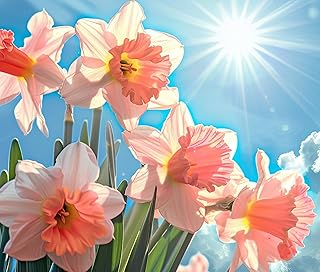
Note: This selection is not a Zephyranthes pink rain lily. It’s included for comparison to help differentiate plant families when planning a mixed garden. If your primary goal is Zephyranthes pink rain lilies, prioritize the Robustus and Grandiflora varieties above.
Buying Guide: Zephyranthes Pink Rain Lily Purchase Considerations
Site and Climate Requirements
Zephyranthes pink rain lilies prefer full sun to light shade and well-drained soil. They tolerate a range of climates but perform best where summers are warm and rains occur naturally. In hotter regions, provide light afternoon shade to protect blooms.
Soil and Planting
Plant bulbs 2–4 inches deep with 4–6 inches of spacing. Ensure soil drains well to prevent bulb rot. Fall planting suits many climates; spring planting is possible after frost in milder areas.
Care and Maintenance
Water regularly during active growth and bloom periods. After flowering, allow foliage to die back naturally to replenish bulbs. These plants are naturally long-lived and tend to naturalize with time.
Bloom Timing and Longevity
Rain lilies typically bloom after seasonal rain or warm weather. Individual blooms last a few days, but plants produce multiple rounds through the season for extended color in borders and containers.
Best Uses and Combinations
Use pink rain lilies to brighten front borders, rock gardens, and container color. Pair with low-growing perennials or grasses that complement pink hues. In mixed beds, stagger planting to maintain visual interest across seasons.
Selection Summary
- Best for compact space: Zephyranthes Robustus 12 Pack
- Best for repeat blooms: Zephyranthes Grandiflora Pink 5 Pack
- Best for large displays: Zephyranthes Robustus 25 Pack
- Best starter option: Pink Rain Lily Bulbs (Grandiflora) 12 Plants
- Avoid if you need a Zephyranthes-specific product: Pink Party Daffodil Bulbs
Frequently Asked Questions
- What is Zephyranthes pink rain lily best for in small gardens? Answer: It provides bright, repeat blooms in borders or containers with a compact height.
- Do pink rain lilies naturalize year after year? Answer: Yes, many Zephyranthes species naturalize and increase in display over time.
- When should I plant Zephyranthes bulbs? Answer: Fall planting is common in temperate regions; spring planting works in milder climates after frost.
- How long do individual blooms last? Answer: Individual flowers typically last a few days, but plants produce successive blooms during the growing season.
- Can these be grown in pots? Answer: Yes, they perform well in containers with proper drainage and sun exposure.
- Are all pink rain lilies the same height? Answer: Most pink rain lilies reach about 10–12 inches tall, offering uniform height in beds or pots.