Answering the growing need for reliable wood-based substrates, this guide highlights five top wood-friendly bases for mushroom cultivation. Each option targets hobbyists and small-scale growers who want clean, pasteurized or pre-sterilized substrates that support hardwood-loving species. Use cases vary from monotubs to tray or bucket setups in controlled environments. Below you’ll find concise, comparison-friendly details to help you choose the best fit for your species, inoculation style, and grow room setup.
Summary Table of Selected Substrates
| Product | |||
|---|---|---|---|
| North Spore Organic “Wood Lovr” (5 lbs) | Wood chip-based sterile substrate | Wood-loving species in home grow rooms | Proprietary blend speeds growth; ideal with grain spawn |
| MushroomMediaOnline Masters Mix (10 lbs) | Oak and soy hull pellets | Rapid colonization for diverse mushrooms | Balanced mix supports quick fruiting |
| North Spore Mastr Mix | Soyhull & Hardwood bulk substrate | Various mushrooms including oyster, shiitake | Faster colonization vs older hardwood substrates |
| Sporenity Pre-sterilized Hardwood Blend (5 lbs) | Pre-sterilized hardwood blend | Contaminant-free growth in controlled setups | Includes pre-sterilization and filter considerations |
| Shroomability Wood Substrate Grow Bags (2 Bags) | Oak sawdust-based grow bags | All-in-one setup with prep kit | Ready-to-use with inoculation ports and filters |
North Spore Organic Wood Lovr 5 lbs

Best for hardwood-loving species in compact grow rooms. Wood Lovr uses a wood chip-based sterile substrate designed by mycologists to support species such as lion’s mane and other hardwood specialists. The blend integrates micro-to-macro hardwood chips with sawdust and nitrogen supplementation to speed colonization and maximize yield. Pros: fits monotubs and tray setups; widely compatible with colonized grain spawn. Cons: higher inoculation rates may require careful contamination control in less sterile environments.
Who it’s for: Small-scale indoor growers seeking a wood-forward base that works well with monotub methods or simple containers. Why selected: North Spore’s Wood Lovr emphasizes a dedicated hardwood focus and a blend that accelerates growth when paired with appropriate grain spawn. Caution: Maintain humidity and cleanliness to optimize outcomes with this sterile substrate.
MushroomMediaOnline Masters Mix
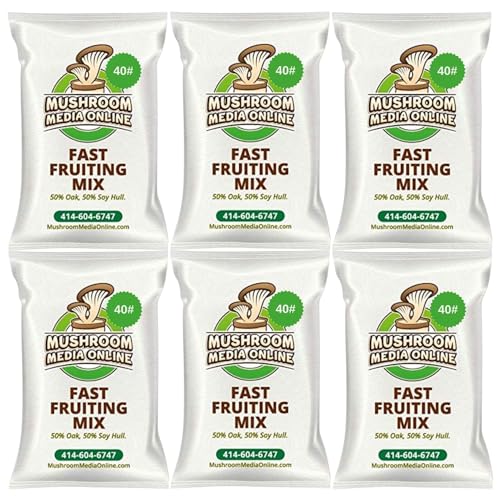
Best for growers aiming at rapid colonization and fruiting across multiple mushroom species. Masters Mix features a 50/50 composition of oak pellets and soy hull pellets, designed to balance nutrition and structure for fast mycelial growth. Advantages include quick preparation and broad species compatibility, including oysters and shiitake. Limitation: pellet density may influence moisture management, so monitor hydration closely in a new setup.
Who it’s for: Hobbyists and semi-commercial growers who want a reliable, fast-path substrate for several species. Why selected: The bilayer mix supports rapid colonization while remaining versatile for different cultivation styles. Caution: Adjust moisture and inoculation rate to maintain consistent results across batches.
North Spore Mastr Mix

Best for flexible, multi-species cultivation with faster colonization times. Mastr Mix combines soyhull and hardwood in a proprietary blend, designed after extended research to improve colonization rates compared with historic hardwood and soyhull substrates. The substrate is pasteurized and processed in laboratory-grade clean environments to ISO standards. Pros: supports a broader range of species with quicker establishment. Cons: may require precise handling to preserve pasteurization benefits.
Who it’s for: Growers seeking faster establishment and versatile species compatibility. Why selected: The Mastr Mix’s optimized blend and controlled processing provide a predictable growth baseline. Caution: Follow clean handling to keep the substrate contamination-free during transit and storage.
Sporenity Pre-sterilized Hardwood Blend Substrate

Best for growers prioritizing a contaminant-free start with a proven hardwood mix. Sporinity’s pre-sterilized hardwood blend uses a carefully balanced hardwood sawdust base with essential nutrients and pre-sterilization to establish a clean environment for mycelial colonization. It also features a high-grade bag design with air filtration compatibility. Limitation: pre-sterilization guarantees a clean start but does not replace ongoing sanitation during cultivation.
Who it’s for: Those who want a reliable, ready-to-use hardwood base with strong contamination control. Why selected: The combination of hardwood nutrients and pre-sterilization offers a straightforward path for beginners and seasoned growers alike. Caution: Ensure proper storage to maintain sterility before use.
Shroomability Wood Grow Bags 5 lb
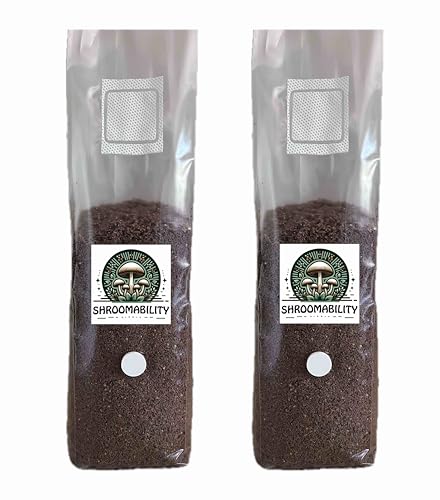
Best for users seeking an all-in-one, sterile bag setup with included prep kit. This option provides two 2.5-pound oak sawdust substrate grow bags totaling 5 pounds, designed with a self-healing inoculation port and a 0.5-micron gas exchange filter. An added prep kit (gloves, alcohol swabs, face mask) helps streamline the inoculation process. Pros: ready-to-go in one package; Cons: somewhat higher material density may require precise moisture control for certain species.
Who it’s for: Beginners and busy growers who want an integrated solution that minimizes prep time. Why selected: The ready-to-use packaging and included prep kit reduce setup steps and error potential. Caution: Handle in clean conditions to preserve sterility after opening.
Buying Guide: Wood Substrate For Mushrooms
What to consider when choosing a wood-based substrate
- Species compatibility: Some substrates favor hardwood-loving species; others perform well across multiple species. Check your target mushrooms’ preferred substrates.
- Sterility and preparation: Consider pre-sterilized or pasteurized options to minimize contamination risk, especially for beginners.
- Moisture and aeration: Wood-based mixes vary in moisture retention and gas exchange. Ensure your grow space can maintain consistent humidity and adequate airflow.
- Inoculation compatibility: Substrates that pair well with grain spawn or sawdust spawn can influence colonization speed and yield.
- Bag or container format: All-in-one bags can reduce prep time, while loose substrates require more handling but offer flexibility for different container types.
Moisture management and storage tips
- Store substrates in a cool, dry place to prevent unintended microbial growth before use.
- After opening, keep substrates sealed or in a humidity-controlled environment if not used immediately.
- Monitor substrate moisture during colonization; under- or over-watering can slow growth or increase contamination risk.
Inoculation and incubation considerations
- Match inoculation rates to substrate volume to optimize colonization without starving or oversaturating the substrate.
- Maintain clean conditions during inoculation to preserve the substrate’s sterility.
- Keep the fruiting environment stable with appropriate air exchange and light exposure according to species.
Common questions about wood-based substrates
- Are wood-based substrates suitable for beginners?
- Can I reuse or reprocess a spent wood substrate?
- What is the best way to store pre-sterilized substrates?
- Which substrates are best for oyster versus shiitake mushrooms?
FAQ
What makes a wood-based substrate different from other substrates?
Wood-based substrates use hardwood chips, sawdust, and sometimes pellets to create a nutrient-rich, structure-supporting base for mycelium, often favoring hardwood-loving species.
How should I choose between pre-sterilized and pasteurized options?
Pre-sterilized substrates provide a cleaner start with less handling, which is helpful for beginners; pasteurized substrates require sanitation during handling but can be more adaptable for certain species.
Is moisture control crucial with wood substrates?
Yes. Wood substrates vary in moisture-holding capacity. Consistent humidity and proper hydration are key to successful colonization and fruiting.
Can I mix different wood substrates?
Mixing is possible if compatible with your target species and inoculation method, but it may alter colonization times and yields. Plan for testing in small batches first.
What indicators show good colonization progress?
White to off-white mycelial growth spreading through the substrate, along with a steady increase in fresh air exchange and humidity during incubation.