Winter roosting boxes provide essential shelter for small birds during cold snaps, helping them conserve energy and survive. This guide reviews five top picks that combine sturdy construction, predator protection, and practical design for winter roosting. Each selection emphasizes insulation, weather resistance, and easy access for birds while keeping maintenance simple for homeowners.
| Product | Brand |
|---|---|
| Woodlink Cedar Winter Roosting/Shelter Box | Woodlink |
| Small Winter Roost Bird House – Cold Weather Shelter | Coveside |
| Convertible Winter Roost & Birdhouse | Coveside |
| Mounted Downy Woodpecker Bird Nest House | Coveside |
| Songbird Essentials Hanging Grass Roosting Pockets | Songbird Essentials |
The following sections highlight five practical options, focusing on winter suitability, durability, and ease of use. Each product is evaluated for its ability to protect birds from wind, rain, and predators while providing a snug roosting space during the coldest months.
Woodlink Cedar Winter Roosting/Shelter Box
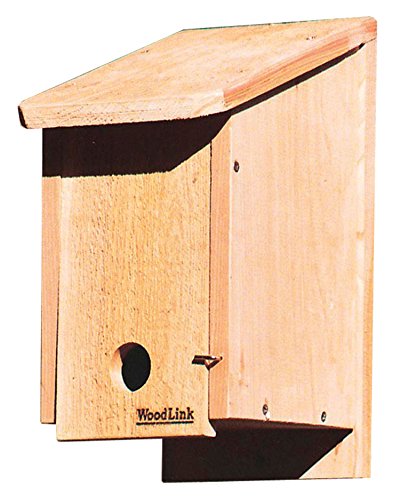
This winter roosting shelter is crafted from re-forested, kiln-dried cedar, offering natural insulation and durability against cold winds. It features a 1 9/16 inch entrance hole that accommodates small songbirds while deterring larger predators. The design emphasizes shelter from rain, snow, and harsh winter winds, making it suitable for continuous outdoor use. Screws reinforce the cedar construction to endure seasonal exposure. A simple, traditional box design makes it a straightforward installation choice for backyard settings where durable, low-maintenance roosting space is valued. For homeowners seeking a classic, proven winter roosting option, this Woodlink model provides reliable shelter and a natural material profile that blends with garden aesthetics.
Key features include small-hole protection, predator resistance, and cedar’s inherent insulating properties. The box is not only a roosting shelter but can serve as a supplementary winter refuge for resilient songbird species. Its robust build and weather-resilient finish help ensure a long lifespan, while the natural cedar aroma may appeal to birds seeking familiar nesting surroundings. Maintenance is relatively simple, with periodic cleaning and inspection recommended to maintain hygiene and ensure continued use through successive winters.
Small Winter Roost Bird House – Coveside
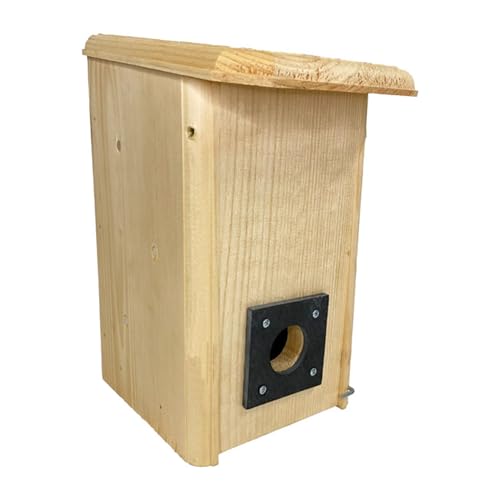
This insulated pine roosting box is designed for winter warmth, providing a safe refuge during freezing weather for wrens, chickadees, titmice, bluebirds, and similar species. A standout feature is the group roosting design, with three sturdy internal perches that accommodate six or more birds at once. This arrangement enables communal warmth, which can improve survival during cold spells. A slate predator guard reinforces the entrance from potential threats such as squirrels or larger woodpeckers, helping preserve the integrity of the roosting space. The combination of insulation, perches, and predator protection makes this a practical choice for backyard habitats seeking to maximize winter usage by multiple birds.
Maintenance and use are straightforward: place the box in a sheltered, elevated location with adequate airflow to prevent moisture buildup. The slate guardian not only deters entry enlargement but also contributes to longer-term durability by reducing entrance damage. For bird lovers wanting a winter roost with cleaning ease and community roosting potential, this Coveside model offers a balanced approach between warmth, safety, and social roosting behavior.
Convertible Winter Roost & Birdhouse
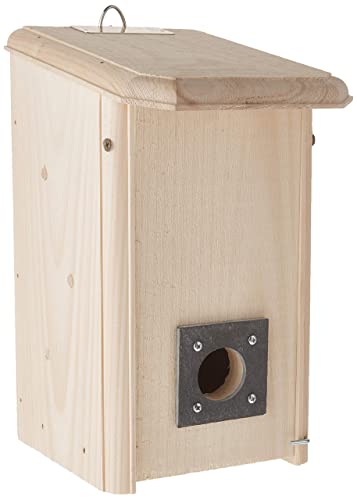
This 2-in-1 design from Coveside switches from a roosting shelter to a nesting box across seasons. A reversible front panel and removable perches let the user adapt the unit for winter roosting or spring nesting. The birdhouse is built with 1 inch thick Eastern White Pine, delivering robust insulation and durability against winter weather. During colder months, perches and a bottom vent slot help maintain warmth and airflow, contributing to comfortable roosting conditions. In spring, the front panel can be flipped, and perches removed to convert it into a traditional nesting box for breeding birds. This dual-functionality makes it a versatile option for homeowners who want year-round utility from a single structure.
Considerations for use include ensuring proper drainage and location selection to prevent water accumulation inside the box. The insulation and sturdy construction are designed to endure temperature fluctuations, while the adaptable design supports bird needs across seasons. For those seeking a long-term, space-efficient solution that serves both winter and spring, the Convertible Winter Roost & Birdhouse provides a practical blend of warmth and nesting capability.
Mounted Downy Woodpecker Bird Nest House
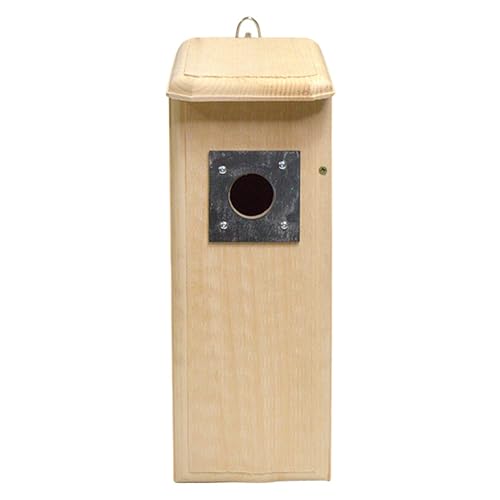
Designed specifically for Downy Woodpeckers, this house offers a purpose-built roosting and nesting space within the eastern U.S. range. Its winter roosting function provides warmth and shelter during colder months, while also delivering a reliable nesting space come spring. Features include a durable slate squirrel guard, helping prevent entry enlargement by non-target species, and a bag of wood chips to simulate natural cavity conditions, fostering quick acclimation by resident birds. The overall dimensions (approximately 15.5 inches by 6 inches by 8.5 inches) suggest a compact yet ample shelter suitable for small to mid-sized cavity-nesting birds.
Selection considerations include ensuring mounting height and angle maximize protection from prevailing weather, while placing the unit where birds can easily access the cavity. The blend of predator protection, winter roosting utility, and spring nesting readiness makes this model a strong option for homeowners seeking a dedicated roosting-and-nesting solution for Downy Woodpeckers and similar species.
Songbird Essentials Hanging Grass Roosting Pockets

These hanging grass roosting pockets utilize natural reed grass and cedar, offering resistance to premature decay and an environmentally friendly profile. Designed for non-migrating songbirds, the model provides refuge from winter storms, wind, freezing rain, and heavy snow. The rough texture of the reed grass helps birds grip bedding materials, fostering comfortable roosting and shelter. While not a traditional hard-walled box, these pockets are well-suited for species that roost communally or seek sheltered, breathable nooks during cold spells. Their lightweight, easy-to-hang design enables flexible placement in trees, fences, or sheltered garden corners.
Use cases include situating multiple pockets to encourage roosting congregations and adding a soft interior bedding layer to boost warmth. Prospective buyers should assess site protection from prevailing winds and ensure pockets are mounted above ground level to avoid dampness and mud. For homeowners seeking a natural, low-profile winter roosting option that complements garden aesthetics, these hanging grass pockets deliver effective warmth with minimal maintenance.
3/4 Inch Cedar Bird Houses With Predator Guard

This cedar bird house uses a 3/4 inch thick cedar construction with a metal predator guard to minimize access by squirrels and other pests. The design emphasizes easy cleaning and maintenance with robust materials that endure outdoor conditions. It is suitable for a variety of species such as bluebirds, chickadees, wrens, and even swallows, depending on hole size and mounting location. A built-in viewing window provides homeowners a chance to observe bird activity without disturbing nesting or roosting. While primarily a nesting box, its winter roosting capability can complement seasonal bird activity by providing a warm retreat during cold snaps.
Considerations include ensuring the entrance hole size matches target species and installing the box in a sheltered, quiet area away from heavy foot traffic or direct exposure to driving rain. The cedar’s natural oils contribute to weather resistance, while the predator guard adds an extra layer of protection. For those wanting a versatile cedar option with easy cleaning and predator protection, this model offers solid value for year-round backyard birding.
Buying Guide: Key Factors For Winter Roost Boxes
- Material and insulation: Look for cedar or high-quality pine that resists moisture and offers natural insulation. Consider boxes with additional insulation features or slatted walls that promote airflow while keeping heat inside.
- Entrance size and predator protection: The hole diameter should suit target species while predators are deterred by guards or slate surfaces. Predator guards help prevent damage and prolong the roost’s life.
- Perching and roosting capacity: For winter roosting, multiple perches or larger cavities encourage communal roosting, which conserves warmth and energy for birds.
- Seasonal versatility: A 2-in-1 or convertible design can transition from roosting in winter to nesting in spring, maximizing use across seasons and saving space.
- Placement and maintenance: Install boxes in sheltered, elevated positions away from direct sun and prevailing winds. Regular cleaning and inspection ensure long-term performance and hygiene.
- Durability and environment: Choose weatherproof finishes and hardware designed to withstand freezing temperatures, moisture, and UV exposure. Durable construction reduces wear and tear over time.
- Species compatibility: Select models tuned to the target birds in your area—wrens, chickadees, bluebirds, and woodpeckers have different cavity and hole-size preferences.
In summary, the five options presented offer a range of approaches to winter roosting—from classic cedar boxes with predator guards to multipurpose roost-and-nest designs and natural grass roosting pockets. Prospective buyers should balance insulation, predator protection, and seasonal versatility with placement considerations to create an effective, durable winter roosting environment for local birds.