If you’re planting wildflowers in a shaded woodland edge or dense canopy, you need seed mixes specifically labeled for shade tolerance. This guide highlights five seed blends that reliably perform in partial to heavy shade, helping you attract pollinators and brighten dim corners without extra sun. Each option is suited for shady yards, woodland paths, and moisture-retentive soil. The table below compares the best picks at a glance to help you decide quickly.
| Product | Shade Suitability | Season & Coverage | Main Benefit |
|---|---|---|---|
| Mountain Valley Seed – Wildflower Seed Bulk, 3 Oz. | Partial to full shade | 250 sq ft; annuals & perennials | Many varieties labeled with names; supports biodiversity |
| Earthwise Shady Native Wildflower Seed Mix | Best for dappled shade | Up to 175 sq ft | Organic, chemical-free, pollinator-friendly |
| Eden Brothers Partial Shade Wildflower Mix | Partial shade to filtered sun | Up to 250-500 sq ft | 27 species; broad pollinator appeal |
| Seed Needs Partial Shade Wildflower Mix (2 Oz) | Partial shade | Bulk coverage; multiple varieties | Open-pollinated, diverse color spectrum |
| FAMILY SOWN Shade Tolerant Mix (2,500 Seeds) | Shade-tolerant | Bulk for large shade zones | Bright, soft blooms; good for woodland borders |
Each product listed targets woodland or heavy shade conditions and is suitable for pollinator gardens. Review the details below to choose the blend that matches your soil, light exposure, and garden size.
Mountain Valley Seed Shade-Tolerant Wildflower Bulk Mix

- Shade-Tolerant: 19 species labeled with common and scientific names, including Echinacea purpurea and Forget-Me-Not.
- Bulk packaging: 3 oz mix with over 80,000 seeds covering about 250 sq ft; annuals and perennials.
- Pollinator-friendly: Attracts bees, butterflies, and other beneficial insects.
- Best for: shady gardens, woodland paths, and partial shade meadows.
- Caution: For very dense shade, germination may be slower; plan for a longer blooming window.
Earthwise Shady Native Wildflower Seed Mix
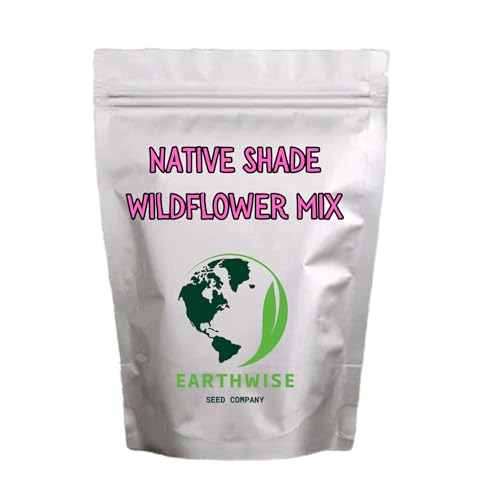
- Shade-tolerant native blend designed for dappled light and shady gardens.
- Organic, chemical-free seeds; open-pollinated without fillers.
- Pollinator-friendly habitat with nectar-rich species.
- Best for: woodland edges and shaded borders needing low maintenance.
- Caution: Open-pollinated seeds may vary season-to-season in exact composition.
Eden Brothers Partial Shade Wildflower Mix

- Contains 27 species including Sweet William, Foxglove, and Purple Coneflower.
- Partial shade to all-day sun; ideal for woodland borders and under-tree plantings.
- Large ground cover potential with 250-500 sq ft coverage depending on planting method.
- Best for: diverse seasonal color in shaded yards and pollinator gardens.
- Caution: Bulk mixes may include more ornamental types; expect a wide bloom window.
Seed Needs Partial Shade Wildflower Mix (1 Oz)

- 14+ varieties with open-pollinated annuals and perennials.
- Shade-tolerant blend includes a spectrum of red, orange, yellow, blue, pink, and purple blooms.
- Best for: mixed borders, woodland edges, and under tree canopies.
- Best for: simple, bulk planting with clear color variety.
- Caution: 1-ounce bag yields smaller volumes; consider the 2-ounce option for larger spaces.
FAMILY SOWN Shade Tolerant Mix (14,000 Seeds)

- 14,000 seeds in a 1-ounce or 5-gram bundle; designed for shade-tolerant growth.
- Bright, soft blooms suitable for woodland borders and tree lines.
- Best for: larger shade areas needing sustainable ground cover and pollinator support.
- Caution: Some seeds may be more marginal in deeper shade; best results with light to moderate shade exposure.
Buying Guide: Shade-Wocused Wildflower Seed Selection
- What defines a shade-tolerant mix? Look for explicit labeling that it tolerates partial to full shade, and note if the blend includes native species or open-pollinated varieties. This matters for local biodiversity and germination success under limited light.
- How much area will you cover? Seed mixes vary widely in coverage. If you have a small woodland path, a 1-ounce or 2-ounce bag may suffice. For larger borders, bulk mixes (2 oz or more) help minimize gaps.
- Are the seeds organic or chemical-free? If you prefer low-input gardening or sensitive pets, choose organic, non-GMO seeds with no added pesticides or fillers.
- Pollinator suitability: Select blends that emphasize nectar-rich flowers like coneflowers, foxglove, or forget-me-nots to support bees, butterflies, and hummingbirds in shady zones.
- Annuals vs. perennials: Decide if you want quick color (annuals) or longer-term foundation plantings (perennials). Many shade mixes blend both for ongoing blooms.
- Soil and moisture considerations: Shaded areas in woodland gardens often stay moist. Ensure your mix matches soil texture and moisture—some blends favor well-drained soils, others tolerate damp conditions.
Frequently Asked Questions
- What makes a seed mix suitable for heavy shade? Look for explicit shade-tolerant labeling and inclusion of species known to thrive with limited direct sun.
- Do shade mixes require different planting times? In many regions, early spring or fall plantings work well; check local zone guidance for best germination windows.
- Can these mixes attract pollinators in shaded areas? Yes, many blends include nectar-rich perennials and annuals that support bees and butterflies, even with limited sunlight.
- Will these seeds germinate under a dense canopy? Partial shade blends perform better under dappled light; very dense shade may reduce germination and bloom density.
- Should I expect consistent blooms every year? Perennial components provide year-to-year bloom potential, but seeding success and bloom timing depend on climate and maintenance.
- How should I prepare shade garden soil for wildflowers? Clear competing weeds, loosen compacted soil, and mix in organic matter to improve moisture retention and root penetration.