Weeping crab apple trees add graceful, cascading branches and ornamental fruit to any yard, garden, or container setup. This guide highlights five suitable options that balance beauty, hardiness, and growth habit. The best pick depends on climate, space, and whether you want edible fruit, striking blossoms, or wildlife-friendly features. Below, you’ll find concise product comparisons, ideal buyers, and practical buying tips to help you choose.
Overview of recommended products
| Product | Best For | Spacing | Notes |
|---|---|---|---|
| Crabapple Tree Saplings – 3 Live Crab Apple Trees | Beginner home orchardists, container growers | 10–15 ft between trees | Dormant spring shipment; 3 saplings |
| Prairiefire Crabapple Tree | Bold spring blooms, decorative foliage, wildlife garden | 15–20 ft mature | Cannot ship to CA, AZ, AK, HI |
| TriStar Southern Crabapple | Pollinator-friendly landscape, wildlife garden | 3–4 ft in 1 gallon pot; grows to 15–20 ft | Edible fruit for wildlife; 3–4 years to fruit |
| Pink Flowering Prairie Fire Crabapple Dormant Starter | Ornamental focus, small-space planting | Plant 20 ft apart | Bare root winter planting option |
| European French Crabapple Seeds | Wildlife, pollinator garden, wildlife planting | Seed-based start; needs stratification | Non-GMO; requires cold stratification |
Crabapple Tree Saplings – 3 Live Saplings
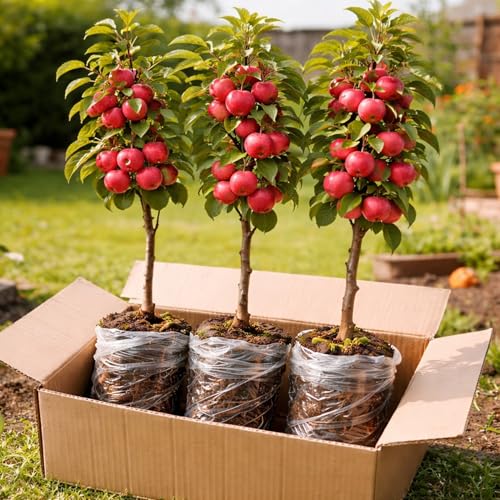
Best for beginner gardeners who want a ready-to-plant set. These three saplings arrive dormant in spring, making them easy to store and ship. They’re suited for backyard orchards, container growing, or small-space plots where you want fruit later, once trees establish. The three-pack format helps diversify your planting area and improves cross-pollination prospects.
Who it’s best for: New to fruit trees, urban gardeners, or anyone starting a small home orchard. Why selected: ready-to-plant, multiple saplings increase chances of fruiting sooner, and shipping dormancy reduces stress on young trees.
Caution: Dormant shipment means no leaves or fruit upon arrival; plan for spring planting and initial establishment care.
Prairiefire Crabapple Tree

This option stands out for its vibrant pink flowers and striking dark red foliage, delivering year-round ornamental appeal. It’s a good fit for gardens that aim for visual drama as much as fruit production. The tree can reach 18–20 feet in height, offering a tall focal point in bedding schemes or borders. However, it cannot be shipped to California, Arizona, Alaska, or Hawaii due to agricultural restrictions.
Who it’s best for: Garden designers seeking a standout flowering tree with ornamental value. Why selected: strong visual impact, reliable bloom, and wildlife-friendly fruit later in the season.
Caution: Shipping restrictions limit availability for some states.
TriStar Southern Crabapple

Chosen for its wildlife-friendly profile and pollinator-friendly blossoms, the Southern Crabapple is a solid landscape tree. It blooms with pink to white flowers and produces fruit that attracts birds and small mammals. It’s sold in a 1-gallon container and is expected to begin fruiting in 3–4 years. Best for pathways, fences, or as a bird-friendly specimen in medium to large yards.
Who it’s best for: Those who want a quick-to-grow, wildlife-attractive tree. Why selected: small starter size with potential for outdoor hardiness and ecosystem benefit.
Caution: Fruit production may begin several years after planting; plan for long-term fruiting expectations.
Pink Flowering Prairie Fire Crabapple Dormant Starter
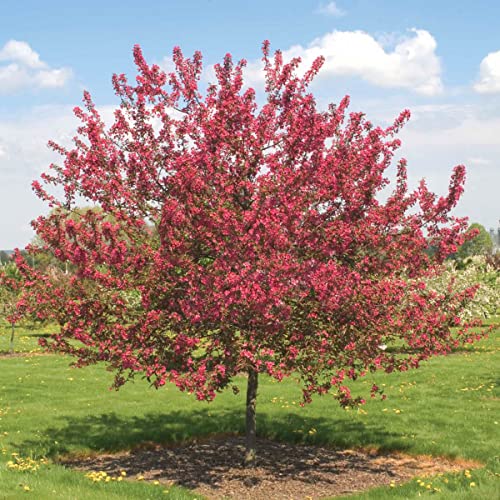
This dormant bare root option emphasizes ornamental value with pink blossoms and light, airy branching. It’s recommended to space trees at about 20 feet apart to accommodate eventual mature size and ensure good air circulation. Best for homeowners who want a striking, low-maintenance ornamental crabapple that can eventually bear fruit. It tolerates a range of soils when well-drained.
Who it’s best for: Gardeners prioritizing aesthetics and easy planting. Why selected: bare root format aids early establishment; good for ornamental layouts.
Caution: Bare root trees require attentive watering and protection during establishment to prevent transplant shock.
Crabapple Tree Seedling for Planting

Seedlings provide a flexible entry into crabapple cultivation, with the appeal of medium-sized trees, showy flowers, and eventual fruit. This option is suitable for larger landscapes or homestead plots where you can give the tree time to mature. It’s a good choice for gardeners who prefer a plant-from-seed approach and want to establish a personal nursery buffer.
Who it’s best for: Gardeners who want to grow from seed and enjoy landscape trees with flowering displays. Why selected: straightforward intro into crabapple cultivation; potential for long-term fruiting and aesthetic value.
Caution: Seedlings may take longer to reach fruiting compared with mature container-grown trees.
Summer Wonder Crabapple Tree

This cultivar is noted for its pink-to-purple-toned blossoms and compact to medium-sized growth habit. It’s described as cold hardy and deciduous, with a 2–3 foot starting height in a 1-gallon pot. It’s ideal for small yards or container plantings where space is limited but the desire for ornamental blossoms remains.
Who it’s best for: Small-space gardeners seeking ornamental value with light fruiting potential. Why selected: compact habit, vibrant seasonal color, and suitability for containers or small beds.
Caution: Some state restrictions apply to shipping; verify availability if you live in restricted areas.
Buying Guide
Key considerations when choosing weeping or cascading crab apple trees:
- Climate suitability: choose trees described as cold hardy or zone-appropriate to avoid winter damage and ensure flowering and fruiting.
- Rooting and planting type: container-grown vs bare-root offers different transplanting windows and establishment needs.
- Size and spacing: plan for mature height and canopy spread to avoid crowding and ensure air circulation.
- Fruit and ornamental value: decide if your priority is decorative blossoms, edible fruit, or wildlife attraction.
- Pollination: many crabapple varieties benefit from cross-pollination; consider planting more than one compatible cultivar if you want fruit yield.
- Shipping restrictions: some varieties or seeds may be unavailable in certain states due to agricultural laws.
FAQ
- Do weeping crab apple trees require cross-pollination to fruit? Some varieties do; check compatibility between cultivars for best fruiting results.
- What soil conditions do these trees prefer? Well-drained soil is generally best; some tolerate mildly acidic to neutral soils.
- Can I grow crabapple trees in containers? Yes, especially dwarf or smaller cultivars; ensure adequate root space and sun.
- How long before fruiting? Many crabapple trees begin fruiting in 3–4 years under good conditions, though it varies by cultivar and care.
- Are there shipping restrictions I should know? Some products may not ship to certain states; confirm availability before ordering.
- What maintenance is required after planting? Regular watering during establishment, mulching, and pruning to maintain shape and health are typical needs.