Wild onions can be stubborn, especially when they spread through turf, pastures, or garden beds. The right herbicide, applied according to label directions, targets broadleaf weeds like wild onion without overly harming grasses. This article reviews top 5 practical weed killers that are commonly used for wild onion control and are available through Amazon. We’ll cover how they work, where to apply them, and what to consider when choosing the best product for your situation.
Overview of chosen products:
- Southern Ag Amine 2,4-D WEED KILLER, 32oz
- Hi-Yield (21416) 2,4-D Selective Weed Killer (1 gal)
- Hi-Yield (33692) Super Concentrate Killzall Weed & Grass Killer (32 oz)
- GORDON’S Amine 400 2,4-D Weed Killer, 1 Gallon
- Ortho WeedClear Lawn Weed Killer Ready-To-Spray, 32 oz
| Product | Active Ingredient Focus | Best For | Notes |
|---|---|---|---|
| Southern Ag Amine 2,4-D WEED KILLER | 2,4-D Amine | Turf, pastures, ditch banks | Economical use rate |
| Hi-Yield 2,4-D Selective Weed Killer | 2,4-D | Broadleaf weeds in non-lawn areas | Selective; good with spreader sticker |
| Hi-Yield Killzall (Super Concentrate) | Multi-weed; fast action | Large areas; grasses and broadleaf weeds | Not for lawns; broad coverage |
| GORDON’S Amine 400 2,4-D Weed Killer | 2,4-D Amine | A variety of crops and turf settings | Water-based formulation |
| Ortho WeedClear Lawn Weed Killer Ready-To-Spray | Broad-spectrum with root uptake | Lawns; quick, targeted control | Formulated for direct lawn application |
Note: Always check the product label for compatibility with your grass type and nearby desirable plants. Apply during the recommended growth stage for wild onions and follow all safety instructions.
Southern Ag Amine 2,4-D Weed Killer (32 oz)
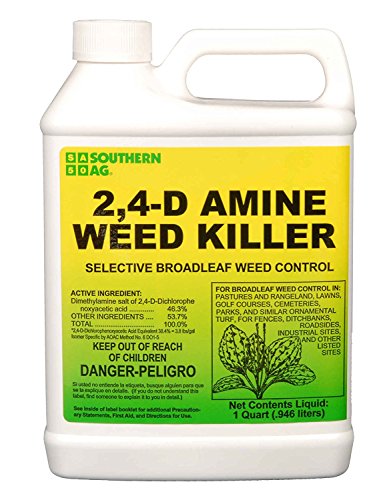
This 2,4-D based formulation is designed for broadleaf weed control in turf, pastures, rangeland, ditch banks, and fencing lines. The low to moderate volatility helps reduce drift and volatilization concerns in dry or windy conditions. The product’s labeling supports economical application rates, typically using 1 to 4 pints per acre, depending on target weeds and growth stage. For wild onions, 2,4-D products can suppress or kill the top growth, reducing bulb reserves over time with repeated applications as directed.
Hi-Yield 2,4-D Selective Weed Killer (1 gal)
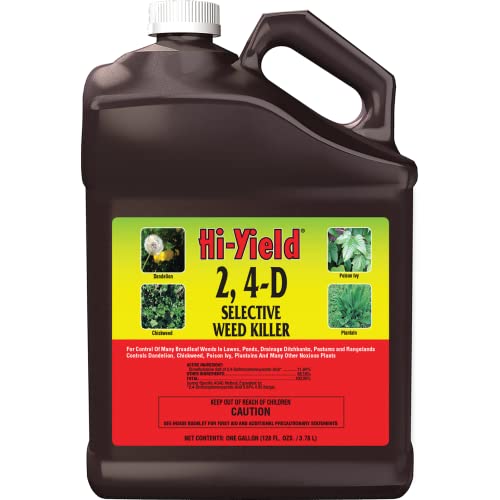
Hi-Yield’s selective weed killer targets many broadleaf weeds, including those susceptible to 2,4-D. It’s commonly used to control wild onion populations in areas where turfgrass or non-target plants are present. The product notes indicate compatibility with tank-mix partners like spreader stickers to improve coverage and adherence. For wild onions, follow label rates and re-treatment intervals to achieve sustained suppression without harming desirable vegetation.
Hi-Yield Killzall Weed & Grass Killer (32 oz)
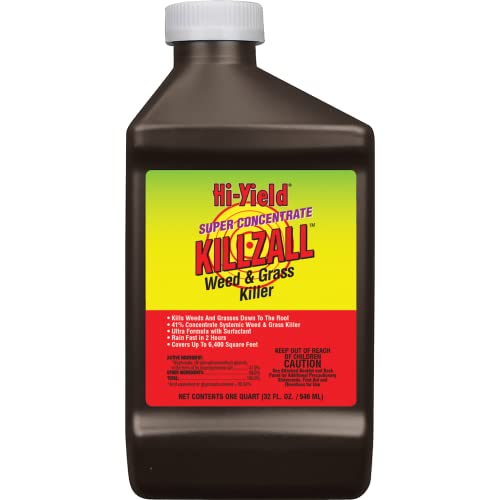
This concentrate targets both grasses and broadleaf weeds and is suitable for large-area treatment, including non-lawn spaces. It features a double-surfactant formulation for rapid plant uptake and fast action. It is not intended for use on established lawns, but it can be effective in bare ground, driveways, and other outskirts where wild onion clumps tend to appear. For wild onions, apply during active growth and reapply as directed to maintain control over the season.
GORDON’S Amine 400 2,4-D Weed Killer (1 Gallon)

GORDON’S Amine 400 combines 2,4-D amine with a water-based carrier, designed for use in various crop and turf settings. It has a moderate volatilization potential and is suitable for broadleaf weed control in fields and landscapes where wild onions may be present. When applying, ensure good coverage to leaf surfaces for effective translocation and follow rate guidelines to minimize risk to non-target plants and pollinators.
Ortho WeedClear Lawn Weed Killer Ready-To-Spray

Ortho WeedClear is designed specifically for lawns and provides fast-acting control of listed weeds down to the root with a single spray. It targets common lawn weeds like dandelion, clover, and chickweed, and is suitable for Bermudagrass, Fescues, Kentucky Bluegrass, Ryegrass, and Zoysiagrass when used as directed. For wild onions, use the product as a targeted lawn treatment and avoid broadleaf areas not intended for application. Re-treatment may be required for persistent weed pressure.
Southern Ag Lawn Weed Killer With Trimec (16 oz)

This formulation combines three proven weed killers and is designed for use on nine turf types. It broadens the spectrum of weeds controlled while maintaining turf safety when used as directed. For wild onions and similar broadleaf weeds, this product may offer enhanced control in established lawns and turf margins, but always follow label guidance regarding application rates and compatible grass species.
Southern Ag Lawn Weed Killer With Trimec (32 oz)

This larger-volume Trimec formulation targets a wide range of lawn weeds and is appropriate for larger turf areas. It combines three active ingredients to broaden weed control while keeping the lawn safe when applied according to label directions. For wild onions invading lawns or borders, this product can be part of a broader management plan that includes proper mowing height and irrigation practices to maintain turf vigor while reducing weed pressure.
Buying Guide: Key Purchase Considerations For Wild Onion Control
- Weed target and crop type: Choose formulas labeled for broadleaf weeds and suitable for turf or non-turf areas where wild onions are present. Some products are not lawn-safe, so confirm the intended application site on the label.
- Active ingredients: 2,4-D inactive formulations are common for wild onion control. Consider products with multiple active ingredients for broader weed coverage, especially if wild onions co-occur with other broadleaf species.
- Application rate and coverage: Look for products with clear per-acre application rates or ready-to-use spray formats. Large-area treatments may benefit from higher coverage formulations or concentrate products with proper dilutions.
- Water considerations and drift: Some products have lower volatility and drift potential. If you have neighboring ornamentals or vegetables, drift minimization is important.
- Safety and compatibility: Check for compatibility with your turf type, soil, and irrigation practices. Avoid applying to stressed turf, and protect pollinators by following timing guidelines.
- Tank-mix options: Some products recommend tank-mixing with spreader stickers or other adjuvants. Verify compatibility and follow label directions to maximize efficacy and safety.
- Re-treatment schedule: Wild onion suppression may require multiple treatments. Follow label intervals and avoid exceeding recommended annual usage to prevent resistance and turf damage.
- Non-lawn uses: For non-turf sites like ditch banks or fences, verify that the product is approved for those areas and follow any restrictions on proximity to water or wildlife habitats.
- Environmental impact: Consider formulations that minimize volatilization and environmental run-off, particularly in windy or dry conditions.
In practice, selecting a 2,4-D based product for wild onion control often involves balancing turf safety with weed suppression needs. For lawn-focused control, Ortho WeedClear provides a ready-to-spray option designed for direct application to lawn grasses. For larger or non-lawn areas, concentrated mixes like Killzall or Amine-based formulations can provide broader coverage, with attention to the label’s directions for non-lawn use and re-treatment intervals. Always follow the product’s label for safe, effective results and to protect nearby plants and soil health.