Watercress is a peppery, nutrient-rich herb that grows well in moist conditions, making it a popular choice for sprouting, microgreens, and quick home harvests. The seeds below come from trusted brands and offer various growing styles—from compact indoor sprouting to outdoor beds and ponds. This guide highlights five high-quality options to help you pick the right seeds for your sprouting routine, whether you want rapid baby greens or a steady perennial supply.
| Product | Brand | Main Strength | Seed Type |
|---|---|---|---|
| Seed Needs Watercress Seeds for Planting Nasturtium officinale – 2 Packs | Seed Needs | Non-GMO heirloom; fast seasonal harvest | Annual seed pack |
| Sow Right Seeds – Watercress Seeds for Planting | Sow Right Seeds | Beautiful, flavorful microgreens; strong germination | Heirloom, fast-growing |
| Seed Needs Watercress Seeds for Planting Nasturtium officinale – 1 Pack | Seed Needs | Same great nutrition and quick baby leaves | Annual seed pack |
| Watercress Seed for Planting (Survival Garden Seeds) | SURVIVAL GARDEN SEEDS | Versatile, easy to store; suitable for containers | Annual seed packet |
| 200 Watercress Seeds Heirloom Non-GMO — Harley Seeds | Harley Seeds | Easy to grow; adaptable to shade and cool temps | Heirloom, non-GMO |
Note: The table is a compact overview. Each seed type offers distinct growing conditions and harvest timelines, so choose based on whether you want rapid baby leaves, long-term outdoor beds, or convenient indoor sprouting.
Seed Needs Watercress Seeds Pair — Indoor or Outdoor Growing
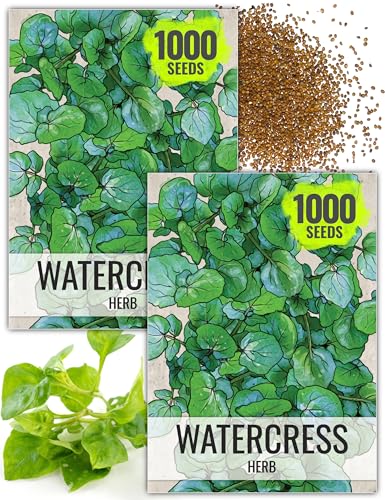
These non-GMO heirloom seeds are designed for quick establishment as an annual herb. They perform well indoors or outdoors and are ideal for gardeners who want to plant now and harvest baby leaves within the first 7 to 10 days after sowing. Fully mature plants typically reach their peak around 60 days before the first frost ends the season. The seeds deliver a nutritious, peppery watercress ready for salads, sandwiches, or garnishes. They suit microgreen setups and small-space gardens where moisture is readily available.
Key points: annual growth, fast harvest for baby greens, nutrient-packed leaves rich in vitamins A and C, and suitability for indoor or outdoor cultivation. Ideal for kitchen windowsills, hydroponic trays, or moist outdoor beds.
Sow Right Seeds Watercress Seeds for Planting

Sow Right Seeds offers a robust package with a colorful description of a peppery, stream-side plant that translates well to home gardens and edible landscaping. This variety germinates quickly in 60–70°F soil, typically within 8–15 days, and reaches a harvest window of about 25–40 days for mature growth. The seeds are well-suited for full sun to partial shade, and they thrive in moist, well-drained soil. Plant roughly 1/4 inch deep and space about 8 inches apart to develop a compact 6–8 inch spread, making them ideal for raised beds, containers, or shallow water systems.
Benefits include high germination when given steady moisture, fast yield of fresh greens, and versatility for salads, sandwiches, and smoothies. It’s a strong all-around choice for beginners and experienced growers alike who want reliable sprouts and mature greens.
Seed Needs Watercress Seeds — 1 Pack

This single-pack option preserves the same trusted Seed Needs profile: non-GMO heirloom seeds designed for easy growth as an annual herb. Baby leaves can be harvested in as little as a week after sowing, with full maturity typically around 60 days. The seeds are well-suited for indoor sprouting in moist trays or for outdoor beds in wet, cool climates. If you’re growing for quick microgreens or fresh greens in salads, this pack offers a reliable, compact path to harvest.
Growing notes emphasize consistent moisture and cool temperatures to maximize germination and flavor. The seeds promise nutrient-dense greens—rich in beta-carotene, vitamin C, folate, calcium, iron, and vitamin E—perfect for daily use.
Watercress Seed for Planting — Survival Garden Seeds

Survival Garden Seeds provides a versatile seed packet suitable for both indoor containers and outdoor beds. The semi-aquatic nature of watercress makes it adaptable to moist soils or even shallow water systems, and the seeds are described as easy to store for future growing seasons. This option highlights the plant’s nutritional benefits and its ability to thrive in wet conditions, making it a practical choice for gardeners who want a reliable crop year after year. It also includes guidance on seed saving to perpetuate harvests.
Consider this packet if you value long-term storage potential and flexible cultivation environments—from hydroponic setups to pond margins. It supports a straightforward approach to building a continuous watercress supply with periodic planting and staggered harvests.
200 Watercress Seeds — Harley Seeds

Harley Seeds provides a straightforward, easy-to-grow option, described as an heirloom, non-GMO variety that adapts well to cool temperatures and shade. The seeds typically produce edible greens within 50–60 days in favorable conditions, with plants reaching 6–12 inches in height. This option is particularly suitable for gardeners who prefer a flexible schedule and a less demanding growing environment. It also supports a comfortable pace for beginners building a steady supply of fresh greens.
Growing considerations include moisture management, cool weather tolerance, and the option to transplant from starter trays once frost risk diminishes. Harvest stages range from baby leaves to fuller greens, depending on your culinary needs.
Buying Guide: Key Purchase Considerations for Watercress Seeds
- Germination and growth rate: Look for seeds that germinate quickly in cool, moist conditions. Many watercress varieties achieve baby leaves within 7–15 days and full maturity within 25–60 days, depending on climate and care.
- Growing environment: Watercress thrives in moist, well-drained soil and can be grown indoors in trays, containers, or hydroponic systems as well as outdoors near water sources. Consider your available space and whether you want sprouting greens or full-leaf harvests.
- Storage and shelf life: Some packets advertise longer storage, such as gold-foil packaging or sealed pouches. If you grow seasonally, seeds with longer viability help minimize waste.
- Nutritional value and flavor: Watercress is rich in vitamins A and C, calcium, and iron. Peppery flavor enhances salads, sandwiches, smoothies, and garnishes, so choose a variety that matches your culinary goals.
- Seed type and origin: Non-GMO, heirloom seeds can offer broader flavor profiles and traditional cultivation methods. Decide if you prefer heritage varieties or modern selections optimized for speed and ease.
- Planting depth and spacing: Common guidance is to sow shallowly (about 1/4 inch) and space 6–8 inches apart for outdoor beds. Indoor sprouts may require shallow trays and consistent moisture.
- Harvest timing: Baby greens are often ready in about a week, but full plants take longer. If you want quick salads, prioritize varieties with rapid baby-leaf harvest windows.
- Moisture management: Watercress needs consistent moisture; consider containers, trays, or zones that stay damp without waterlogging to prevent root rot and promote healthy growth.
- Storage and seed longevity: For gardeners who plant in multiple seasons, packets that specify long viability help ensure seeds germinate when you’re ready to plant again.
Overall, choose a seed pack that aligns with your preferred growing method (indoor sprouting, outdoor beds, or hydroponics), your climate, and your desired harvest timeline. Each option above provides reliable performance for American home gardeners looking to add fresh watercress to meals with minimal effort.