Transform a soggy yard into a functional, well-drained outdoor space with a proper water drainage system. This guide highlights five top backyard drainage solutions available on Amazon, focusing on dry wells, trench drains, and channel drainage. Each option is evaluated for durability, ease of installation, and suitability for residential landscapes. Use this overview to compare how each system can collect, detain, and redirect excess water, protecting your lawn, patio, and foundation.
| Product | Type | Best For | Key Benefit |
|---|---|---|---|
| NDS Flo-Well Dry Well Kit | Dry Well | Heavy rainfall with yard flooding | High detention volume with gravel-free design |
| Natotela Deep Profile HDPE Trench Drain | Trench Drain | Long, continuous drainage along walkways | Perforated design for debris protection |
| FAHKNS Trench Drain System | HDPE Channel Drain | Patios, driveways, pool decks | Corrosion-resistant materials, easy install |
| Natotela Deep Profile HDPE Trench Drain (Second Product) | Trench Drain | Yard and sidewalk drainage | Durable HDPE with perforated design |
| URA Water UA-100 Drainage Trench Set | Channel Drain | Low-profile residential installs | Interlocking, easy cutouts, removable grates |
The following selections emphasize practical backyard drainage that reduces pooling, protects foundations, and integrates with existing landscaping. Each product’s features are summarized to help you decide which system best fits your space, climate, and project scope.
NDS Flo-Well Dry Well System Kit
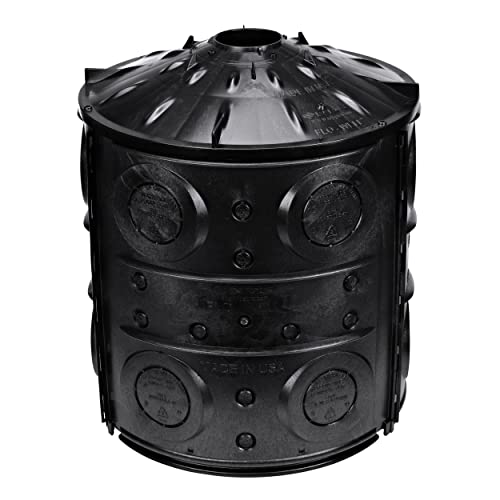
The Flo-Well Dry Well is installed underground to collect, temporarily store, and slowly release excess water into the ground. It can be buried or stacked up to 8 feet deep to support pedestrian traffic, including lawn tractors. Installation connects to 4″ Sewer and Drain (S&D) Pipe through the top cover knockout, with 12 side-panel knockout points for 4″ S&D and Sch 40 pipes. A gravel base provides a stable detention volume without the heavy gravel-filled holes of traditional dry wells. This approach reduces surface scouring and helps prevent localized flooding in yards prone to heavy rainfall.
Key considerations include suitability for your soil type, the expected detention needs, and whether you prefer a gravel-free solution. If you’re planning a rainwater collection or detention strategy that minimizes surface disruption, the Flo-Well offers a compact, durable option that integrates with standard 4″ drainage piping.
Natotela Deep Profile HDPE Trench Drain

This trench drain system is a 39.37″ long channel with a grate made of high-density polyethylene (HDPE). It features a perforated bottom design that facilitates fast drainage while preventing leaves and debris from entering the trench. The grate and trench connect via a sliding mechanism that requires no screws or clasps, simplifying installation and maintenance. The DOT design adds texture to the grate surface to improve traction, reducing slip hazards when installed near pools or high-traffic outdoor spaces.
Ideal uses include perimeter drainage along fences, driveways, or walkways in backyards. It’s designed to withstand typical outdoor conditions while maintaining strength to support foot traffic. Consider combining with adjacent trench sections for longer runs and ensure proper outlet connections to convey water away from structures.
FAHKNS Trench Drain System

The FAHKNS trench drain system features a wide-channel design with HDPE construction and a 304 stainless steel grate, combining durability with corrosion resistance. The snap-on design enables quick, tool-free installation, while a smooth inner surface minimizes debris buildup. This setup is well-suited to driveways or patio edges where rapid drainage and easy maintenance are priorities. It aims to keep surfaces dry after heavy rain while resisting common outdoor challenges such as mold, rust, and weathering.
Key considerations include the system’s outlet compatibility with nearby 4″ sewer and drain piping, local load requirements, and how often you plan to clean the grate. The FAHKNS unit is a practical choice for homeowners seeking a robust channel drain that balances performance with straightforward installation.
Natotela Deep Profile HDPE Trench Drain (Second Product)

This second Natotela trench drain variant offers similar HDPE construction with perforated design, designed to facilitate fast drainage while reducing debris intrusion. The system emphasizes a durable build with sliding connections that minimize the need for screws, making it easier to assemble in uneven yard terrain. The grate design includes surface dots to improve grip and reduce slipping near pool areas or wet surfaces.
As with any trench drain, plan for a continuous run that steers water away from foundations, basements, and patios. Ensure proper grading and backfill to maintain long-term performance in variable weather conditions.
URA Water UA-100 Drainage Trench Set
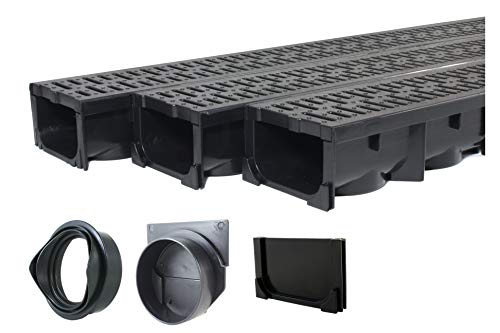
The URA Water UA-100 is a low-profile channel drain designed for lightweight to medium applications. Each channel measures 5″ W x 3″ H x 39″ L, with adjustable configurations when multiple units are combined. The system includes interlocking connections and removable grates for easier cleaning, plus anti-flotation feet to keep channels stable during concrete pours. It’s compatible with 4″ sewer and drain pipe via included outlet connectors and adaptors, making it a flexible option for patios, decks, and garden pathways.
Consider its low-profile design if you’re working within tight spaces or need a discreet drainage solution. If you anticipate frequent maintenance, the hand-removable grate feature simplifies routine cleaning without detaching entire sections.
Buying Guide: Key Purchase Considerations For Backyard Drainage
- Drainage goal: Determine whether you need to detain water on-site (dry wells and detention systems), channel water away quickly (trench drains), or both. Your climate, soil type, and yard slope will influence the best option.
- Soil and slope: Sandy, loamy, or clay soils behave differently under drainage systems. A steeper slope often requires channel drains at strategic points to prevent pooling near foundations; flatter landscapes may benefit from detention wells or longer trench runs.
- Detention capacity: Dry wells require adequate detention volume to hold water during storms. Consider local rainfall intensity and runoff patterns when estimating capacity and burial depth.
- Materials and durability: HDPE trench channels and stainless steel gratings resist corrosion and weathering. Look for UV resistance, load ratings relevant to your area, and compatibility with your existing piping (4″ S&D pipes is a common standard).
- Installation complexity: Some systems are tool-free or snap-on, while others demand digging, trenching, and backfilling. If you’re a DIY enthusiast, choose products with straightforward assembly and clear instructions.
- Maintenance: Perforated channels reduce debris buildup but still require periodic cleaning. Removable grates and accessible end caps simplify routine maintenance.
- Aesthetics and integration: Channel drains along entryways or patios should blend with your landscape. Consider color-matched grates or grates with non-slip textures near pool areas.
- Code and permits: Check local building codes or homeowners association rules for drainage installations, particularly near foundations, driveways, or property lines.
- Expandability: If you anticipate future landscaping changes, choose modular options that can extend along walkways or along fences and borders.
These considerations help you select a drainage system that aligns with your yard’s layout, weather patterns, and long-term maintenance goals. By focusing on practical durability, ease of installation, and effective water management, you can minimize standing water, reduce soil erosion, and protect outdoor living spaces from flood-related damage.