Water bowls for gardens provide essential hydration for pollinators, birds, and small wildlife while enhancing garden aesthetics. This guide highlights five suitable options, each chosen for different garden needs—from decorative ceramic bowls to solar-powered fountains. Whether you’re eco-conscious, want low-maintenance watering stations, or need a charming focal point, there’s a choice here for you. The buyer’s table below helps compare core features at a glance.
| Product | Best For | Key Benefit | Note |
|---|---|---|---|
| Navaris Bee Watering Station | Pollinator-friendly gardens | Ceramic bowl with glass marbles supports insects | Fragile material; handle with care |
| Solar Fountain Water Pump (DDcafor) | Low-maintenance fountains | Solar-powered, no wiring needed | Depends on sunlight |
| Veradek Mason Lane Bowl Planter | Multifunctional planters | Plastic-stone composite, all-weather | Planter, not a traditional bath |
| Retyion Bee Watering Station (4-pack) | Colorful bee baths in borders | Flower-shaped design with adjustable height | May require staking for stability |
| Ficuswin Automatic Dog Water Bowl Dispenser | Automatic watering outdoors | Self-refilling with valve | Primarily for animals; check fit for wildlife use |
Navaris Bee Watering Station
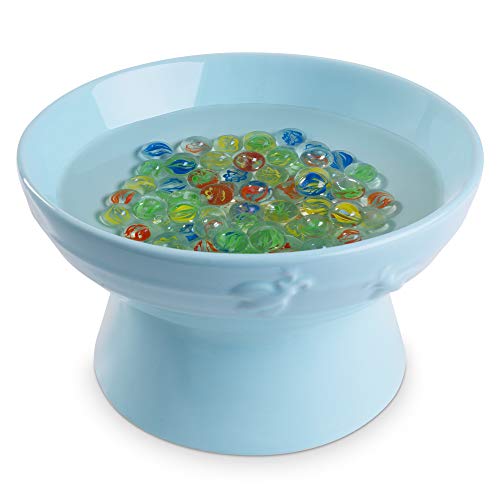
The Navaris Bee Watering Station is a ceramic bowl paired with marbles designed to attract and sustain bees, butterflies, and other small insects. This option is best for pollinator-friendly garden zones where you want a decorative water source that doubles as a wildlife-friendly feature. The bowl measures 7.87 x 7.87 x 4.72 inches, and includes 80 glass marbles to create a buoyant, accessible water surface for tiny visitors. Choose this if your priority is ecological support and a charming focal piece in a flower bed or patio edge.
Who it’s best for: gardeners seeking a dedicated pollinator station that looks natural in stone-and-glass-inspired settings. Why selected: it provides a simple, visible water source while encouraging pollination. Caution: the ceramic bowl requires careful placement to avoid tipping on uneven ground or during heavy winds.
DDcafor Solar Fountain Water Pump

The Solar Fountain Water Pump by DDcafor is designed for outdoor ponds, bird baths, and garden water features that rely on solar power. It’s ideal for visitors who want a dynamic water feature with minimal maintenance, as sunlight triggers the fountain automatically. The pump floats on water and requires direct sun for optimal performance. Best for: sunlit gardens where a visual water feature attracts birds and adds movement to still water. Caution: effectiveness decreases on overcast days or in shaded areas.
Veradek Mason Lane Bowl Planter

The Veradek Lane Bowl Planter is a durable plastic-stone composite planter with drainage holes, suitable for indoor or outdoor use. While not a traditional water bowl, it can be repurposed as a decorative planter with water features and can accommodate small plants along with shallow water for birds and pollinators. Best for: gardeners who want a versatile, all-weather planter that doubles as a watering cue for nearby wildlife. Limitation: not a dedicated insect drinking station, so it blends utility with aesthetics rather than focused wildlife hydration.
Retyion Bee Watering Station 4-Pack

The Retyion Bee Watering Station comes in a 4-pack with colorful flower designs intended to attract pollinators and provide multiple height options for visibility. Installation is straightforward and does not require tools, making it easy to spread drink stations across a garden border. Best for: gardeners who want a decorative, multi-height solution to attract bees and butterflies. Caution: ensure stable insertion into soil to prevent toppling on windy days.
Automatic Dog Water Bowl Dispenser

The Automatic Dog Water Bowl Dispenser is built for outdoor use and features an automatic water filling valve that replenishes water when levels drop. While primarily marketed for pets, this model can serve in larger garden spaces where birds or small mammals need a consistent water source. Best for: owners seeking a hands-off watering solution that can handle fluctuating outdoor conditions. Limitation: not specifically designed for insects or birds; consider supplementing with a dedicated wildlife station nearby.
Classic Corinthian Shallow Planter

The Corinthian Shallow Planter provides a classic, lightweight option with a drainage system that helps prevent overwatering. While not a dedicated water bowl, it can hold shallow water and plants for a tidy garden feature. Best for: gardens seeking a timeless planter that doubles as a small water station in warm months. Caution: ensure drainage is properly configured to avoid standing water that could attract pests.
Inanil Solar Fountain Ceramic Bird Bath

The Inanil Solar Fountain Ceramic Bird Bath is a large, ground-level ceramic bowl that doubles as a bird bath and a gentle fountain. It operates on solar power and can be used as a bird feeder by swapping water for seed. Best for: sun-rich patios or gardens where birds frequently visit and you want a multi-use wildlife feature. Limitation: best performance occurs in direct sunlight; shade reduces fountain activity.
5.9-Inch Ceramic Birdbath Bowl

The 5.9″ Ceramic Birdbath Bowl from JARPSIRY features a compact, sturdy ceramic form with a decorative two-bird motif along the rim. This small bowl is ideal for tiny birds and compact gardens, serving as a lightweight, easy-to-place water source. Best for: patios and edges where space is limited. Caution: smaller capacity means more frequent refills in hot weather.
Buying Guide: Key Purchase Considerations
What materials suit garden water bowls best?
- Ceramic bowls offer a classic look and are easy to clean but can be fragile. Use in sheltered spots to reduce breakage risk.
- Plastic-stone composites provide durability and UV resistance, useful in hot climates. They’re typically lighter and easier to move.
- Glass marbles or decorative inserts can create a visually appealing water surface for small insects, though they require careful placement to avoid hazards.
What design features support wildlife effectively?
- Shallow water depths help prevent drowning hazards for bees and small birds. Aim for a water depth of 0.5–1 inch where possible.
- Varied heights across a garden can attract different species; consider multi-height stations or clusters.
- Stable bases prevent tipping in wind and rain, especially for freestanding stations.
How much maintenance is reasonable?
- Solar-powered fountains require sun but add movement that attracts interest; they typically need little ongoing maintenance beyond occasional cleaning.
- Self-filling dispensers reduce manual refilling but ensure hoses and valves remain clear of debris.
- Planters with drainage require proper setup to avoid waterlogged soil and unwanted pests.
Placement tips for optimal wildlife visits?
- Place water bowls in partially shaded areas to reduce rapid evaporation and heat stress on visitors.
- Avoid placing bowls directly under dense tree canopies that drip leaves and debris into the water.
- Position near flowering plants to provide a combined source of hydration and nectar for pollinators.
Frequently Asked Questions
- What is the best water depth for bee stations?
Keep water shallow, around 0.5 to 1 inch, to minimize drowning risk. - Can I use any bowl as a wildlife water feature?
Likely yes, but ensure it’s stable, cleanable, and not a safety hazard for birds or insects. - Do solar fountains attract more wildlife than static bowls?
Yes, movement can attract birds and insects, especially in sunny areas. - How often should I clean wildlife water bowls?
Routinely inspect and refresh water every 1–2 days in hot climates to prevent algae growth. - Are these bowls safe for small pets?
Check product specs; some are designed for general outdoor use, others are not pet-specific. - What’s the best way to attract butterflies to a watering station?
Include shallow water, nearby flowering plants, and ensure the area is sunlit but not exposed to harsh wind.