Choosing the right windbreak trees can reduce winter drafts, shield outdoor living spaces, and add long-term aesthetic value. The following selections focus on fast-growing evergreens and hardy natives that perform well in American landscapes. Each entry includes how it helps with wind protection, landscape impact, and care essentials to maximize survival and growth.
| Product | Brand | Key Size | Link | Notes |
|---|---|---|---|---|
| 3 Giant Sequoia Trees in 2.5” Nursery Cubes | CitronellaKing | 3 saplings in 2.5″ cubes | View | Large landscape focal, evergreen, cold-hardy Zones 6–8 |
| Brighter Blooms Austrian Pine Tree 2-3 ft. | Brighter Blooms | 2-3 ft | View | Dense branches, strong wind resistance |
| Leyland Cypress – 1gal Pot, 2-3ft Tall | Eureka Farms | 1 gal, 2-3 ft | View | Fast-growing privacy and windbreak option |
| Leyland Cypress – 5gal Pot, 4-5ft Tall | Eureka Farms | 5 gal, 4-5 ft | View | Rapid growth with dense evergreen foliage |
| Honey Locust Live Trees | Generic | Various sizes | View | Versatile, good windbreak and wildlife habitat; deciduous |
Note: This article focuses on evergreen and windbreak-friendly options where year-round screening is desired. Always consider your local climate, soil, and space before planting, and consult local extension services for planting best practices.
3 Giant Sequoia Trees for Big Landscape Windbreaks

The CitronellaKing offering includes three Giant Sequoia live starter saplings (Sequoia gigantea) in 2.5-inch nursery cubes. These evergreens are known for their stature and dramatic presence as they mature, forming a dense evergreen screen over time. Suitable for large landscapes, windbreak zones, and long-term landscape planning, these trees are hardy in USDA Zones 6–8 and enjoy full sun with well-draining soil. Expect substantial growth as they establish, with the potential for a striking focal point that also contributes to wind reduction along open spaces.
Key attributes: fully rooted, ready to plant; slow to moderate initial establishment, then progressive vertical growth; bark and foliage provide year-round coverage. For best results, plant with ample space to accommodate eventual height and width, and ensure consistent watering during establishment. This option is ideal for customers seeking a dramatic, evergreen windbreak that evolves into a landmark feature.
Brighter Blooms Austrian Pine: Dense Windbreaker

The Austrian Pine (Pinus nigra) is renowned as a workhorse windbreak tree. Its dense branches and durable constitution resist strong winds, making it a reliable screening option. The evergreen foliage maintains year-round privacy, and the tree’s upright habit helps create a solid wind barrier with a classic landscape presence. Suitable for a wide range of soils and climates, it’s favored by university horticulturists for its performance in wind-prone settings. This size is accessible for both new plantings and seasoned yards, delivering steady contribution to a protected outdoor area.
Considerations include sun exposure (full sun preferred), soil drainage, and regular watering during first growing seasons. Pruning is minimal but can be used to shape the canopy if desired. This is a practical choice for homeowners seeking dependable wind reduction with evergreen visual appeal.
Leyland Cypress — 2-3ft, Fast Growth

The Leyland Cypress from Eureka Farms offers a compact option at 2-3 feet tall in a 1-gallon pot. It features dense, dark-green foliage and a proven track record as a windbreak or privacy screen when planted in rows. The plant’s rapid growth rate supports quicker wind protection in developing landscapes, and its adaptability makes it suitable for a variety of soils with adequate drainage. This choice balances early screening with long-term vigor as a reliable evergreen component in mixed borders or larger windbreak designs.
Planting guidance includes spacing to allow mature canopy width, consistent watering during establishment, and periodic mulching to retain soil moisture. This option is accessible for beginners and seasoned gardeners alike seeking a dependable windbreak tree that establishes quickly.
Leyland Cypress — 4-5ft, Rapid Windbreak
This 5-gallon Leyland Cypress option provides a taller, denser evergreen screen with rapid growth up to 5 feet per year. It’s well-suited for larger properties seeking a robust privacy hedge or windbreak along property lines, driveways, or open perimeters. The dark-green foliage maintains year-round color and helps minimize wind gusts across open spaces. Like other Leyland varieties, it tolerates a range of soils and sun exposures, though well-drained soil and adequate spacing optimize health and density over time.
Best practices include planting in a staggered row or group to maximize wind disruption, establishing a moisture-conserving mulch layer, and monitoring for pests or disease common toConifer species in your region. This option is ideal for customers prioritizing quick canopy establishment and continuous screening.
Honey Locust Live Trees — Windbreak and Habitat
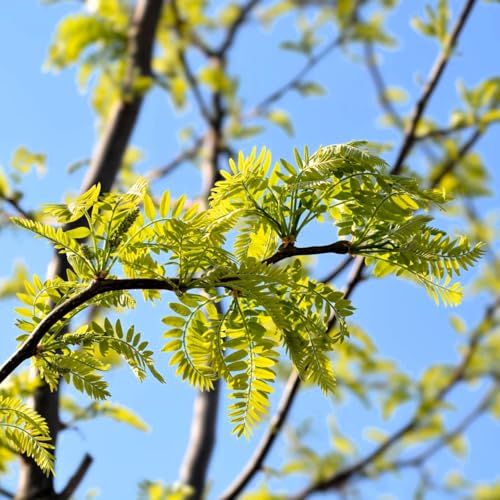
The Honey Locust (Gleditsia triacanthos) is a versatile, hardy option for windbreaks and erosion control. While deciduous, its open branching allows filtered light underneath, supporting undergrowth and grasses while still delivering wind protection. This species tolerates full sun to partial shade and rugged conditions, including drought and pollution, with strong resilience against deer and many common pests. However, it can shed leaves in fall and features thorns on some varieties, which may influence placement in certain landscapes.
Honey Locust is well-suited for native landscapes or mixed plantings where wildlife habitat and wind reduction are priorities. When used as part of a windbreak, plan for seasonal leaf drop and ensure spacing that accommodates mature height and spread for optimal screening.
Buying Guide: Windbreak Tree Considerations
- Climate and hardiness: Match species to USDA zones and winter tolerance to prevent wind damage and ensure survival.
- Growth rate and ultimate size: Fast-growing options provide quicker protection but require more space and maintenance as they mature.
- Foliage type and evergreen vs deciduous: Evergreens offer year-round screening; deciduous trees may provide seasonal benefits but shed leaves in winter.
- Soil and drainage: Most windbreak trees prefer well-drained soil; amend soil if drainage is poor to avoid root stress.
- Sun exposure: Full sun typically yields the best growth for windbreaks; assess shading from nearby structures or trees.
- Spacing and planting design: Plant in staggered rows or tight hedges for dense wind protection; consider future canopy width to avoid crowding.
- Maintenance needs: Mulch to conserve moisture, water during establishment, and prune only as needed to maintain form and health.
- Wildlife and aesthetics: Some species attract wildlife or offer seasonal color; weigh trade-offs like thorniness or deciduous shedding.
- Long-term planning: Consider how the windbreak will evolve—height, density, and root systems affect neighboring structures and utilities.