Pond owners often face green water, stringy mats, or blanket weed. Effective algae treatment combines proper identification, safe dosing, and ongoing maintenance. This article highlights trusted algaecides and clarifiers that are widely used in ornamental ponds and water features. Learn how each product works, what size pond it’s best for, and how to apply them safely to keep your pond clean and healthy.
Quick product snapshot
| Product | Typical Size | Key Benefit |
|---|---|---|
| Fountain Algaecide And Clarifier (Sanco) | 8 oz | Kills and inhibits multiple algae types; treats up to 8,000 gallons |
| API POND ALGAEFIX (32 oz) | 32 oz | Controls green water, string, hair, and blanketweed algae |
| CrystalClear Algae D-Solv (16 oz) | 16 oz | Fast-acting, EPA registered; safe for koi and ornamental plants |
| API POND ALGAEFIX (1 gallon) | 1 gallon | Treats up to large pond volumes; broad algae control |
| CrystalClear Algae D-Solv (1 gallon) | 1 gallon | High-volume algae control; safe with proper aeration |
Fountain Algaecide And Clarifier For Ponds

Brand: Sanco Industries. Size: 8 oz bottle (also offered in 32 oz and 64 oz). This product targets green water, string algae, hair algae, blanketweed, and other common pond nuisances. It’s designed to be non-hazardous, non-staining, and non-foaming when used as directed. It’s suitable for ornamental ponds and water features, helping to keep water clear by controlling algae growth. Note that it should not be used with fish in the same water body.
- Effective against green water and multiple algae forms.
- Non-hazardous and non-foaming when used as directed.
- Fits small to medium ponds with clear dosing guidance.
Application considerations: Follow the product label for dosage and safety warnings. Maintain aeration during treatment and monitor water quality after dosing to avoid sudden oxygen fluctuations for fish and beneficial organisms.
API POND ALGAEFIX Algae Control (32 oz)

Brand: API. Size: 32 oz. This algaecide targets green water, string and hair algae, and blanketweed algae. It helps maintain clear pond water and is designed for ornamental ponds and water gardens. It’s EPA-registered and formulated to be effective while remaining safe for fish when used as directed.
- Broad-spectrum algae control suitable for many pond setups.
- EPA-registered formulation backed by pond hobbyists and professionals.
- Easy to dose in a single container for mid-size to large ponds.
CrystalClear Algae D-Solv (16 oz)

Brand: CrystalClear. Size: 16 oz. EPA registered and fast-acting, D-Solv targets a broad range of algae types including green water, string, hair, and blanketweed. It is designed for use in fountains and outdoor ponds containing koi and other fish. It will not harm fish or ornamental plants when used as directed, provided the pond is adequately aerated.
- Fast-acting results for multiple algae types.
- No copper content, reducing risk to fish and plants when used properly.
- Emphasizes aeration during treatment to maintain oxygen levels.
API POND ALGAEFIX Algae Control (1-Gallon)
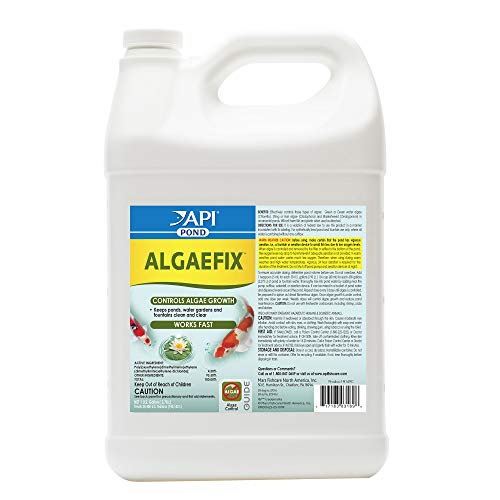
Brand: API. Size: 1 gallon. Treats up to approximately 38,400 U.S. gallons. This EPA-registered algaecide helps resolve algae problems and controls the formation of new algae. It’s designed to be effective against most common pond algae and remains safe for fish, plants, and other wildlife when used as directed.
- High-volume coverage for larger ponds.
- Fast-acting algae control with broad spectrum efficacy.
- Compatibility with typical pond flora and fauna when dosed per label directions.
CrystalClear Algae D-Solv (1 gallon)

Brand: CrystalClear. Size: 1 gallon. This bulk option provides substantial algae control with the same fast-acting, broad-spectrum formula. It is designed for outdoor ponds with koi and other fish and emphasizes the importance of aeration during treatment to protect aquatic life.
- Large-volume treatment suitable for big ponds and water features.
- Broad-range algae control with minimal fish risk when used as directed.
- Clear guidance on aeration and pond conditions to maximize safety and efficacy.
Buying Guide: Algae Treatment For Ponds
Choosing the right algae treatment depends on pond size, fish presence, water chemistry, and maintenance goals. This guide outlines key considerations and how to compare options from the selections above.
- Pond size and dosage: Larger ponds require bigger bottles or repeated dosing. Check label coverage (gallons treated) and plan for future maintenance cycles.
- Types of algae: Green water algae, string algae, hair algae, and blanketweed respond differently. Multi-algae formulas offer broader control but consider separating treatments if you have sensitive aquatic plants.
- Fish safety: Many algaecides are labeled as safe for fish when used as directed, but avoid products clearly noting “Not Safe For Fish.” Ensure aeration during application to prevent oxygen dips.
- Aeration and water quality: Algaecides work best with proper pond aeration. Check that pumps, filters, and diffusers are operating before and during treatment to support fish health and decomposer communities.
- Copper content: Some algaecides use copper-based compounds. Copper can harm aquatic plants and tolerate certain fish species differently. If your pond contains koi or sensitive plants, prefer copper-free formulations.
- Non-chemical approaches: Combine chemical treatments with non-chemical steps like reducing nutrient inputs, shading, and mechanical removal of algae mats for long-term control.
- Maintenance plan: Schedule periodic treatments aligned with the pond’s seasonal cycles. Regular monitoring helps prevent blooms and maintains clarity without over-reliance on chemicals.
- Safety and disposal: Always follow label directions for wastewater disposal. Do not discharge treated water directly into sensitive habitats or watercourses without checking local regulations.