Removing stubborn roots is a common challenge in gardening, landscaping, and property maintenance. The following tools are designed to tackle roots, saplings, stumps, and dense root systems with leverage, efficiency, and safety in mind. This guide highlights five top options, drawing from reliable garden brands, to help you select a solution that fits your yard, budget, and physical needs.
| Product | Brand | Key Benefit |
|---|---|---|
| ROOT ASSASSIN 48″ Garden Shovel/Saw | ROOT ASSASSIN | Serrated shovel for rapid root and weed cutting; robust digging handle |
| CGENWDCH Large Sapling Puller | CGENWDCH | High-leverage design to uproot 1/4″–2″ saplings and root balls |
| Tree Root Removal Tool (Sliding Gravity Hammer) | CGENWDCH | Gravity-assisted cutting for thick roots and stumps |
| Machotsl Sapling Puller | Machotsl | No-regrowth eradication with lever-assisted pulling |
| RexWeed Weed Puller | RexWeed | Stand-up weed pulling with adjustable handle |
The table above provides a quick snapshot of each tool’s strengths. The list prioritizes root and sapling removal capabilities, ergonomic design, and leverage features to minimize strain and maximize effectiveness in varied soil conditions.
Root Assassin 48″ Garden Shovel/Saw
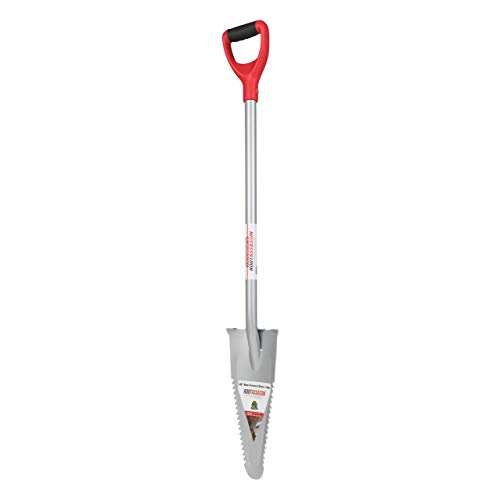
The Root Assassin serrated shovel combines a digging spade with a serrated edge and curved tip designed to cut through roots and weeds more efficiently than conventional shovels. Its serrated shovel saw aids in cutting through obstructions while maintaining a sturdy D-shaped, rubber-coated handle for comfort during extended use. This tool emphasizes speed and control for garden bed prep, stump work, and landscaping tasks where roots hinder progress.
Gnenwdch Large Sapling Puller

This sapling puller is designed to uproot woody stems from 1/4″ to 2″ and remove full root systems. It emphasizes permanent eradication of unwanted plants, avoiding the use of chemicals, gas, or noisy blades. The design focuses on safe, sustainable removal with a lever-based action to reduce the effort required by a single operator, making it suitable for hands-on yard maintenance and invasive species control.
Tree Root Removal Tool With Gravity Hammer
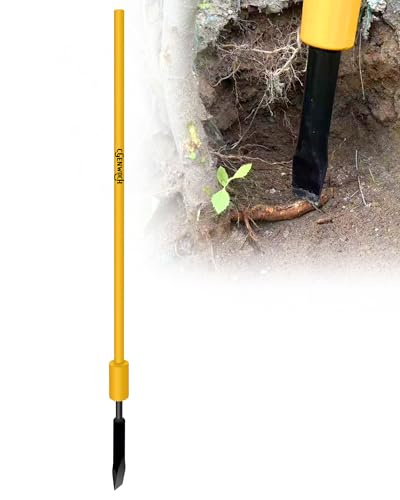
This tool uses a sliding gravity hammer mechanism to harness the tool’s weight for powerful cutting. It is designed to remove thick roots and stubborn stumps, even in hard soil or rocky terrain. The device is marketed as simple to use—aim, slide the sleeve, and hammer down—to effect rapid root disruption with minimal manual hacking and strain.
Machotsl Sapling Puller

This heavy-duty sapling puller targets root balls with reduced effort through lever-assisted removal. It claims thorough eradication to prevent regrowth and promotes eco-friendly, chemical-free practices. The device is designed for one-person operation, making it a practical option for homeowners tackling invasive plants in yards, gardens, or wooded edges.
RexWeed Stand-Up Weed Puller

The RexWeed weed puller enables stand-up removal of deeply rooted weeds, reducing bending and kneeling. A heavy-duty steel build supports robust weed extraction, including dandelions and crabgrass, with a 46″ adjustable handle to accommodate different user heights. The 4-claw steel head is designed to grab roots and pull them out intact, preventing regrowth and manual soil disturbance.
Walensee Stand-Up Weed Puller

The Walensee weed puller provides a 39″ tall handle for stand-up weed removal. A foot pedal helps apply force to penetrate the ground and grasp the entire weed, including the roots. The tool features three 2.75″ steel teeth suited to various soil types and plant roots, maximizing grip and leverage while minimizing bending and strain during use.
Fiskars Ergo Weeder

The Fiskars Ergo Weeder is designed for precision in uprooting invasive weeds and their root systems. Its cast-aluminum angled head provides leverage in tough soil, while the SoftGrip handle minimizes fatigue. Rust-resistant aluminum ensures durability and long-term value for gardeners seeking a reliable weeder for frequent use around flower beds, lawns, and herb gardens.
ZUCCIO Tree Puller

The ZUCCIO puller lever-action design provides powerful leverage for removing small trees, saplings, and shrubs. It emphasizes ergonomic operation to reduce back strain, enabling users to remove deep-rooted plants without heavy digging or vehicle assistance. A sturdy hook and lever mechanism help secure and extract the root system efficiently.
Buying Guide: Root Removal Tools — Key Considerations
When selecting a tool to remove roots, consider the following factors to ensure a good fit for your yard and physical needs:
- Root size compatibility: Choose a tool that supports the typical stem diameter you encounter (e.g., 1/4″ to 2″). Larger roots may require more leverage or specialized equipment.
- Leverage vs. effort: Tools featuring lever mechanics or gravity-assisted designs reduce user fatigue and increase effectiveness, particularly for larger roots and saplings.
- Soil type and terrain: Dense clay, rocky soil, or compacted earth can affect performance. Heavier-duty tools with sturdy handles and durable heads perform better in tough conditions.
- Ergonomics and user height: Adjustable handles or stand-up designs help reduce back strain. Soft-grip or rubber-coated handles improve comfort during extended use.
- Safety considerations: Look for tools with secure grips, balanced weight distribution, and protective shielding when using serrated components or hammers.
- Maintenance and durability: Aluminum or steel heads resist rust; replaceable blades can extend tool life in persistent use scenarios.
- Environmental impact: Chemical-free, manual options align with eco-friendly landscape management and reduce reliance on gasoline-powered tools.
For buyers, evaluating the specific plants, root depth, and soil conditions will guide whether a stand-up weeder, a sapling puller, or a gravity-assisted tool best serves ongoing removal tasks. In mixed landscapes with both weed roots and saplings, a combination approach—powerful root cutting for dense roots and lever-based sapling pullers for smaller trees—often yields the best results.