Growing tasty tomatoes starts with the right nutrition. The products below represent top-rated tomato-specific plant foods designed to boost growth, strengthen fruit walls, and extend feeding cycles. Whether you garden in-ground or in containers, these options cover organic and synthetic approaches, long-lasting feeds, and calcium-enhanced formulas to help reduce common tomato disorders. Use the buying guide at the end to compare factors like NPK ratios, application frequency, and organic certification.
| Product | Brand |
|---|---|
| Miracle-Gro Water Soluble Tomato Plant Food | Miracle-Gro |
| Miracle-Gro Shake ‘N Feed Tomato, Fruit & Vegetable Plant Food (1 lb) | Miracle-Gro |
| Espoma Organic Tomato Plant Food | Espoma |
| Miracle-Gro Shake ‘n Feed Tomato, Fruit & Vegetable Plant Food (4.5 lbs) | Miracle-Gro |
| Dynamite Organic Tomato Fertilizer | Dynamite |
Miracle-Gro Water Soluble Tomato Plant Food
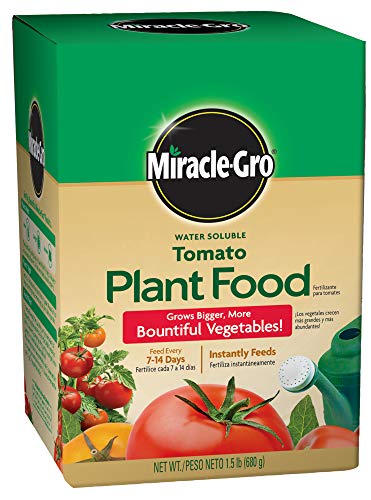
Miracle-Gro Water Soluble Tomato Plant Food quickly delivers essential nutrients to tomatoes and other vegetables. Its water-soluble formula makes it easy to mix into irrigation or water-soluble feeds, providing nutrients that help plants grow bigger and more abundant fruit. A feeding schedule of every 1-2 weeks is typical, keeping plants topped up during peak fruiting. This option is suitable for both in-ground tomatoes and container-grown plants, offering a simple, widely available solution for home gardeners seeking reliable results.
Miracle-Gro Shake ‘N Feed Tomato, Fruit & Vegetable Plant Food (1 lb)

This Shake ‘N Feed formula feeds plants for up to three months, nourishing above and below the soil to support robust growth and fruit production. It includes calcium to help strengthen cell walls, contributing to better quality and longer-lasting fruits. Ideal for both in-ground and container setups, this product is designed for gardeners who want less frequent applications without sacrificing performance.
Espoma Organic 8-Ounce Tomato Plant Food

Espoma Organic Tomato Plant Food focuses on organic nutrition for tomatoes and vegetables. It provides essential nutrients suitable for organic gardening and is designed to be kid- and pet-friendly when used as directed. Application is straightforward: mix per quart of water and drench the soil around the plant. For best results, apply every 2-4 weeks to maintain steady growth and fruit development, aligning with organic farming standards while supporting healthy soil ecology.
Miracle-Gro Shake ‘n Feed Tomato, Fruit & Vegetable Plant Food (4.5 lbs)

This larger shake-and-feed formulation extends feeding cycles for up to three months. It reinforces calcium for stronger walls and reduces the risk of cracking and blossom-end rot in larger tomato crops. The product nourishes above and below the soil, supporting root development and overall plant vigor in both outdoor beds and containers. The 4.5-pound bag is ideal for gardeners with several tomato plants or persistent growing seasons.
Dynamite Organic Tomato Fertilizer

Dynamite Organic Tomato Fertilizer is OMRI-listed for organic gardening, pairing a balanced nitrogen, phosphorus, and potassium ratio with added calcium for stronger plant walls and better yield. As a long-lasting formula, it feeds for up to three months, supporting robust tomato growth in both in-ground plots and container setups. This product appeals to gardeners seeking a natural, soil-friendly option without synthetic additives.
Buying Guide
Key purchase considerations help ensure you choose the best tomato plant food for your garden setup:
- Nitrogen, Phosphorus, Potassium (NPK) balance: Tomatoes typically benefit from higher potassium and phosphorus during fruiting, with adequate nitrogen during vegetative growth. Look for labels like 8-5-5 or similar when weighing options.
- Organic vs. synthetic: Organic formulas (Espoma, Dynamite) support soil biology and may appeal to organic gardeners, whereas synthetic mixes (Miracle-Gro) offer rapid results and easier dosing for many home growers. Consider your gardening goals and regulatory preferences.
- Calcium content: Calcium helps prevent blossom-end rot and strengthens cell walls. Some products explicitly contain calcium; others rely on soil calcium availability. If your soil is prone to calcium deficiency, prioritize fortified options.
- Feeding schedule: Some products deliver nutrients for up to three months, reducing maintenance. Others require more frequent applications (weekly or biweekly). Choose according to your labor comfort and plant needs.
- Container vs. in-ground use: Ensure the product is suitable for your growing method. Some formulas are designed to work well in pots, while others emphasize in-ground beds.
- Soil health and microbes: Natural ingredients like kelp or bone meal can support soil microbial activity, improving nutrient uptake. If soil biology is a priority, look for products that include such components.
- Certification and safety: For organic gardeners, confirm OMRI listing or equivalent certification. For households with kids or pets, choose labeled safe-use products and follow dilution instructions precisely.
- Scope of use: Some tomato fertilizers are labeled for tomatoes and a broad range of vegetables; others target tomatoes specifically. If you grow a diverse vegetable garden, consider multipurpose formulas with tomato-friendly varietal applicability.
Across these options, the best choice depends on your garden size, whether you garden in containers or in-ground beds, and your preference for organic versus synthetic inputs. For ongoing fruit production with less frequent applications, Shake ‘N Feed options often deliver steady results, with calcium-enriched blends helping maintain fruit quality. If you prioritize rapid responses, water-soluble formulas can quickly adjust nutrient levels via your irrigation schedule.
When integrating any fertilizer into your regimen, monitor plant response—watch for leaf color, growth rate, and fruit set. Adjust feeding frequency if you observe signs of nutrient excess or deficiency, such as leaf burn, yellowing, or poor fruit development. With the right tomato plant food, you can expect stronger yields and healthier plants throughout the growing season.