Finding the right tiles for a garden path means balancing durability, drainage, and ease of installation. This article compares five top options designed for outdoor use, including plastic interlocking tiles, wood-like deck tiles, and pebble-look designs. Each choice suits different buyers—from DIY homeowners to landlords and commercial landscapes. The following sections explain who each product is best for, along with clear pros and limitations to help you decide quickly.
Summary table of selected products
| Product | Material | Best For | Drainage/Drainage Design |
|---|---|---|---|
| Interlocking Cobbled Stone Look Garden Pathway Tiles (5 Pack) – Gardenised | Plastic | Low-maintenance residential paths | Open design for airflow and water drainage |
| Gray Garden Path Track Interlocking Tile Floor Paver – Gardenised | Plastic | Compact, bordered pathways | Open design, waterproof, slip resistant |
| AN68 Pack of 10 Deck Tiles – Acacia Wood (Golden Teak) | Natural Acacia Wood | Warm, natural look for patios and garden paths | Spaces between slats for drainage |
| Decking Natural Pebble Interlocking Tiles – TEASFUSION | Interlocking plastic base with natural pebbles | Stylish pebble look with easy DIY setup | Open grid bottom for drainage |
| Neoaider 9PCS Plastic Interlocking Decking Tiles (12″ x 12″) | Plastic | Flexible, all-weather outdoor floors | Interlocking design supports quick drainage and airflow |
Interlocking Cobbled Stone Look Tiles – Gardenised
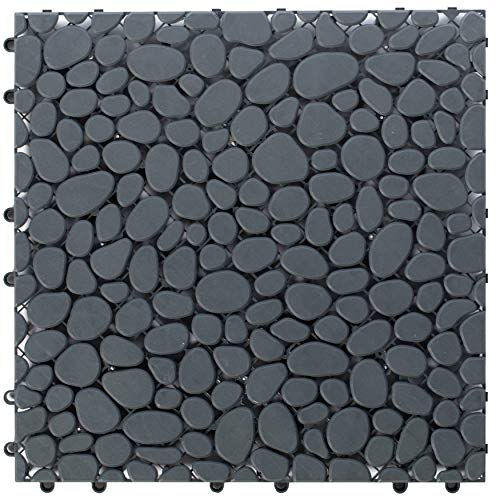
Brand: Gardenised
- Dimensions: Each tile 12″ W x 12″ D x 0.75″ H
- Durable plastic construction with open design for airflow and water drainage
- Suitable for both commercial and residential areas
Best for: homeowners seeking a quick, uniform garden path with good drainage and easy maintenance. This option is ideal for low-traffic residential paths and budget-conscious upgrades.
Caution: While durable, the plastic surface may show wear in high-traffic areas over time; consider a routed or edge-tapped installation to extend life.
Gray Garden Path Track Interlocking Tiles – Gardenised

Brand: Gardenised
- Dimension: 11″ W x 11″ D x 0.50″ H per tile
- Durable plastic with open design for airflow and drainage
- Waterproof and slip resistant for outdoor use
Best for: narrow or winding garden paths where a low-profile tile look is desired and drainage is a priority. Suitable for residential and light commercial pathways.
Caution: Slightly smaller footprint per tile means more joints; plan layout to minimize visible seams on long runs.
AN68 12″x12″ Interlocking Wood Deck Tiles – Acacia

Brand: AN68
- 10 tiles per pack; 12″ x 12″ each; Golden Teak color
- 100% natural acacia wood with PPC base
- Efficient drainage due to slat spacing; easy trimming for shapes
Best for: traditional, warm outdoor spaces such as wood-look garden paths or poolside routes. Ideal for patios and elevated walkways where a natural finish is preferred.
Caution: Wood tiles require maintenance to prevent weathering; surfaces can become slippery when wet if not properly spaced or finished.
Decking Natural Pebble Interlocking Tiles – TEASFUSION

Brand: TEASFUSION
- Interlocking 12″x12″ tiles; 6 tiles per pack
- Natural pebbles with a durable plastic base
- Interlocking system for quick assembly and easy removal
Best for: stylish garden paths that mimic stone yet offer DIY-friendly installation. Better for dry, sun-exposed areas where pebbles create a natural look.
Caution: Pebble textures can feel uneven underfoot; consider alternate tiles if the path will be heavily trafficked or require a completely flat surface.
Neoaider 9PCS Interlocking Decking Tiles – 12″ x 12″

Brand: Neoaider
- 9 tiles totaling 9 square feet; all-weather, waterproof
- Lightweight, high-hardness plastic with interlocking design
- Compatible with various patterns; no tools required for assembly
Best for: renters or homeowners who want quick, tool-free installation with flexible patterns. Suitable for small to mid-sized garden paths and patio transitions.
Caution: Plastic tiles may show wear in very hot sun over several seasons; consider heat-resistant edge profiles or shade placement.
Buying Guide: How to Choose Garden Path Tiles
- What path length and traffic level do you expect? For long walks or high foot traffic, choose durable, slip-resistant surfaces with good drainage, such as interlocking plastic or pebble-embedded tiles. For light use, wood-like tiles offer a natural look with easy maintenance.
- Do you prefer a natural or manufactured look? Wood-look tiles bring warmth and a classical garden feel, while plastic and pebble options provide modern aesthetics and easier DIY installation.
- Is drainage a priority? Look for open-grid designs or gaps between slats to prevent puddling after rain. Avoid solid, non-ventilated surfaces in wet climates.
- What about installation and maintenance? Interlocking systems enable fast setup with no tools for many options. Wood tiles may require periodic treatment or sealing; plastic and rubber options need little upkeep beyond cleaning.
- Budget considerations? Plastic and composite tiles typically cost less upfront and are easy to replace, while natural wood tiles can be pricier but offer a premium look and feel.
FAQ
Are interlocking garden path tiles easy to install?
Yes. Most interlocking tiles snap together and can be laid over flat, prepared ground or over a compatible base, often without tools.
How do I maintain outdoor tiles?
Regular cleaning and removing debris are usually sufficient. Wood tiles may need sealing or oiling; plastic and pebble tiles are typically detergent-cleanable.
Which tile is best for uneven ground?
Tiles with flexible bases or larger interlocking systems can accommodate minor irregularities. Consider a premade base or edging to stabilize the edge.
Can tiles be cut to fit irregular shapes?
Many plastic and wood tiles can be cut with standard tools. Check product guidance for recommended cutting methods and safety notes.
Do these tiles protect against slipping in rain?
Most options feature textured, slip-resistant surfaces and open drainage to reduce standing water, enhancing safety on wet days.
Are these suitable for commercial pathways?
Several options are designed for commercial use with durable materials and heavy-duty construction. Always verify load rating and warranty with the seller.