Greenhouses thrive when temperature and humidity are carefully managed. Thermal blankets offer a practical, affordable way to minimize heat loss at night, buffer cold snaps, and create a more stable growth environment. This guide highlights five reliable options designed for outdoor durability and effective heat reflection, with features that suit greenhouse use—from lightweight covers for energy savings to rugged tarps that double as shelters. Each pick is evaluated for heat retention, weather resistance, and ease of use in a gardening setup.
| Product | Brand | Size / Coverage | Key Feature |
|---|---|---|---|
| Arcturus Insulated Tarp, 60x82in | Arcturus | 60″ x 82″ (approx. 5 ft x 7 ft) | Reflects 90% of body heat; waterproof and windproof |
| Arcturus XL Heavy Duty Survival Blanket | Arcturus | 8.5 ft x 12 ft | All-weather, lightweight, packs small |
| Arcturus Insulated Tarp, Black | Arcturus | 60″ x 82″ | 3-layer design; reinforced grommets |
| BESTHUNTINER Heavy Duty Survival Blanket | BESTHUNTINER | 60″ x 83″ | Foldable with portability; 90% heat retention |
| SecuCaptain 84″ x 63″ Emergency Blanket | SecuCaptain | 84″ x 63″ | Extra-large coverage; tear-resistant |
Below are five carefully selected products that balance heat retention, durability, and ease of use in greenhouse settings. Each item is described with practical considerations for greenhouse owners, including coverage area, portability, and weather resilience. While many of these blankets are marketed for outdoor survival, their reflective surfaces, waterproof layers, and reinforced construction make them suitable for greenhouse thermal management and protective coverings around plant beds and staging areas.
Arcturus Insulated Tarp 60x82in (Olive)
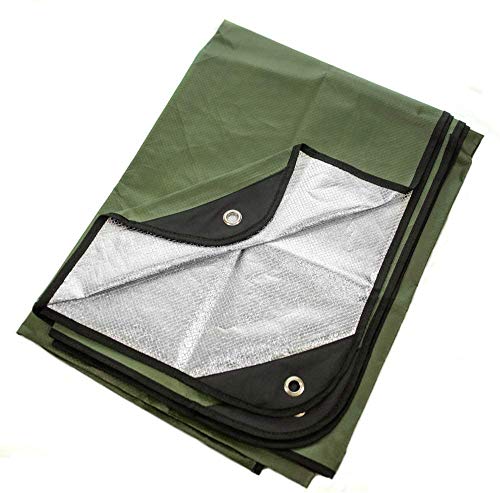
This reusable heavy-duty thermal blanket combines a Mylar reflective surface with a waterproof polypropylene core. In greenhouse use, the reflective layer helps bounce radiant heat back toward crops during cool nights, while the waterproof layer protects against leaks that could affect soil moisture. The 60 by 82-inch size offers ample coverage for raised rows or small bed areas, and reinforced grommets support simple rigging over frames or fences. Weighing about 1.4 pounds, it stays manageable for seasonal adjustments without adding significant weight to greenhouse structures.
Key features include versatile applications beyond greenhouse use—ground tarp, shelter, or emergency blanket—so it can transition to a car trunk or workshop when not in the garden. The two-layer polypropylene backing provides a reliable barrier against moisture, helping to maintain an even microclimate for seedlings and rooted cuttings during cool spells.
Arcturus XL Heavy Duty Survival Blanket
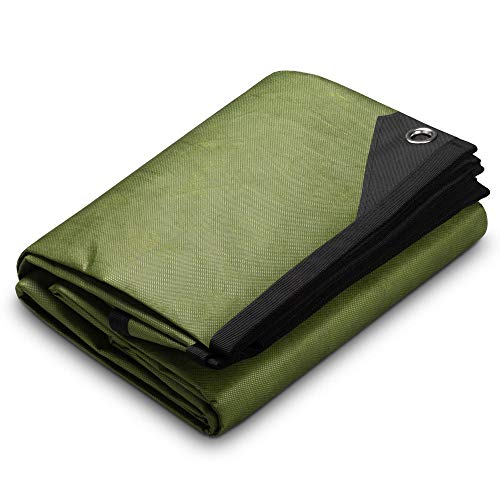
The XL model expands to 8.5 by 12 feet, providing a larger surface for greenhouse use. Its Mylar reflective side serves as a radiant barrier, returning heat toward plant canopies and helping to reduce overnight cooling. The other side features two layers of polypropylene for a waterproof, wind-resistant outer shell. This larger footprint is beneficial for covering longer rows, entire benches, or staging areas during especially cold nights. Despite its size, the material remains relatively light and easily stored inside a carry bag for seasonal deployment.
Greenhouse-minded readers may appreciate the blanket’s dual role: a weather shield and a temporary shelter during maintenance or harvest work. The lightweight nature of this blanket also allows quick deployment without needing heavy lifting or specialized equipment, ensuring it can be used to protect sensitive crops during unexpected cold fronts.
Arcturus Insulated Tarp, Black

This variation mirrors the olive version with the same 60″ by 82″ footprint but comes in a black color option. The 3-layer design combines a reflective Mylar layer with a durable waterproof shell, delivering reliable heat retention and moisture control. For greenhouse use, the black variant can be less conspicuous indoors while still offering efficient radiant heat management. The blanket’s foldable design and light weight enable quick setup around plant beds, seedling trays, or grow tables to reduce nighttime temperature drops and preserve humidity levels.
With reinforced grommets, it’s straightforward to secure the cover with rope, clamps, or zip ties to any greenhouse frame, fence, or support poles. This flexibility makes it a practical option for growers who frequently rotate crops or adjust layouts to accommodate different plant cycles.
BESTHUNTINER Heavy Duty Survival Blanket

The BESTHUNTINER model emphasizes portability and coverage, with a folded size that fits in compact spaces and a fully unfolded surface offering generous coverage for two people or large plant beds. The blanket is described as sandproof, waterproof, and windproof, with a multi-layer construction that enhances heat reflection and durability. In greenhouse settings, this translates to a practical cover for cold nights or when exterior temperatures swing drastically. The foldable design makes it easy to deploy after a thorough inspection of irrigation lines or to cover seedlings during cold rain events.
One notable advantage is the blanket’s 90% heat retention claim, which translates to meaningful temperature support for sensitive crops and experiments in early spring or late fall. The material combination aims to resist wear from repeated outdoor use, making it suitable for growers who need reliable, reusable protection during seasonal transitions.
SecuCaptain 84×63 Emergency Blanket

The SecuCaptain extra-large blanket offers broad coverage at 84 by 63 inches, well-suited for lining larger bed rows or shielding multiple pots. The enhanced Mylar technology reflects 90% of body heat, supporting plant temperatures by reducing heat loss at the canopy level and around rooted zones. The double-stretched, tear-resistant design adds resilience in windy or draft-prone greenhouse environments and ensures durability across repeated deployments. The waterproof, windproof, and robust construction makes it a dependable option for growers wanting a heavy-duty shield during chilly nights or unexpected cold weather.
For greenhouse use, the 84×63 inches size can cover large bench tops or temperature-sensitive clusters, while the reinforced seams and materials help resist tearing from wind drafts or tethering to frames. The kit-style approach of SecuCaptain also aligns with organized greenhouse operations where preparedness matters, especially for seasonal planning now and in the future.
Buying Guide: Key Purchase Considerations And Comparisons
When choosing a thermal blanket for a greenhouse, consider heat retention efficiency, coverage area, ease of deployment, and durability in moist environments. Reflective Mylar surfaces can improve radiant heat return to plant canopies, but the outer shell’s waterproofing is equally crucial to protect soil moisture and equipment from damp conditions. Here are practical angles to compare options:
- Heat Retention: Look for a Mylar reflective layer paired with a waterproof backing. A larger surface area is beneficial for covering more beds, but ensure it still folds neatly for seasonal storage.
- Durability: Reinforced edges, grommets, and tear-resistant layers matter in windy greenhouse corners or when tethering blankets to frames. A 3-layer design often balances insulation and ruggedness.
- Portability: Foldable or compact models are easier to deploy between beds, particularly in smaller greenhouses or spaces that require frequent reconfiguration.
- Moisture Management: Waterproof or water-resistant layers prevent damp soil and plant roots from remaining in contact with moisture-absorbing materials. This also reduces the risk of mold in humid environments.
- Versatility: Some blankets double as tarps for shade or shelter, which can be useful during seasonal transitions, crop rotations, or maintenance tasks.
- Size and Fit: Match the blanket dimensions to your greenhouse layout—bench length, bed width, or the area you want covered. Oversized blankets can be trimmed or layered for targeted protection.
In practice, a combination approach often yields the best results: a larger, durable reflective tarp for overnight coverage and a lighter, highly portable option for day-to-day protection around vulnerable seedlings and potted plants. Always verify seam quality, closure methods, and whether the product can withstand exposure to greenhouse activities like misting and routine cleanup. Finally, consider how easily the blanket can be stored when not in use to avoid clutter in a compact workspace.