Choosing the right tap water conditioner can help houseplants, herbs, and hydroponic setups thrive by neutralizing chlorine, chloramines, and heavy metals. The products below are designed to improve water quality, stabilize pH, and support robust root development. This guide highlights five top options, emphasizes practical use, and compares features to help you pick the right conditioner for your plants and systems.
| Product | Brand | Key Benefit |
|---|---|---|
| Southside Plants Tap Water Conditioner | Southside Plants | Removes chlorine, chloramines, heavy metals; buffers pH; good for houseplants and hydroponics |
| Cute Farms Tap Water Conditioner | Cute Farms | Neutralizes harmful elements; supports stronger roots and vibrant foliage |
| OneDose Tap Water Conditioner For Plants | OneDose | Adds Cal-Mg; stabilizes pH; promotes healthy roots and overall growth |
| API Tap Water Conditioner 16-Ounce | API | Neutralizes chlorine and chloramines; safeguards fish-friendly water for aquariums and hydroponics |
| API Fishcare 52Q Tap Water Conditioner 32-Ounce | API | Neutralizes chemicals; reduces risks to plant and fish systems relying on treated water |
Below are five product-focused sections with concise, objective details. Each section includes an image, a clickable product link, and a summary of features relevant to plant health and water quality.
Southside Plants Tap Water Conditioner For Plants

The Southside Plants conditioner targets common water quality issues that can hinder growth. It dissipates chloramines, chlorine, and heavy metals before roots absorb them, helping plants grow taller and sturdier. A practical usage guideline recommends adding 1/4 capful to 1 gallon of tap water, treating up to 200 gallons per bottle. This product is positioned for houseplants, hydroponic setups, and irrigation systems, with a note that it can also be used in ponds or aquariums to keep aquatic life healthy.
Cute Farms Tap Water Conditioner For Plants

Cute Farms emphasizes improved water quality by neutralizing chlorine, chloramines, and heavy metals. The formula is designed to support healthier roots, taller growth, and more vibrant foliage. The product touts long-lasting concentration, with a suggested dosage of 1/4 capful per gallon, treating up to 320 gallons. It is promoted as suitable for home plants, hydroponic systems, and irrigation, delivering a cost-effective approach to ongoing plant care without frequent reconstitution of water for sensitive species.
OneDose Tap Water Conditioner For Plants
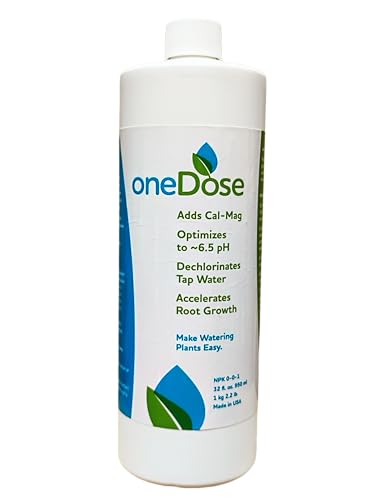
OneDose focuses on adding essential minerals, including calcium and magnesium, to municipal water. The result is water with higher overall Ca and Mg levels (about 100 ppm Ca and 25 ppm Mg), which supports stronger cell walls and improved nutrient uptake. The product claims to neutralize chlorine and chloramines without producing formaldehyde or ammonium and targets plant owners using tap water, filtered water, or reverse osmosis. This makes it suitable for a range of plant types and growing methods.
API Tap Water Conditioner 16-Ounce

API’s 16-ounce conditioner is a versatile option for households using tap water for fish tanks, ponds, or hydroponic setups. It neutralizes chlorine and chloramines and helps prevent chemical-related stress in aquatic life. For plant systems, it offers a safe water baseline that reduces the risk of root damage or tissue irritation caused by tap water chemicals. It is one of several API products designed to simplify water conditioning for hobbyists and hobbyist- growers.
API Tap Water Conditioner 4-Ounce

The 4-ounce API option provides a compact option for small setups or trial runs. It neutralizes chlorine, chloramines, and other chemicals to protect plant roots and aquatic life. The smaller bottle is suited for users who need to condition water on a periodic basis or who want to evaluate a product’s effectiveness before committing to a larger purchase for established systems or larger hydroponic operations.
API Fishcare 52Q Tap Water Conditioner 32-Ounce

API Fishcare 52Q provides a 32-ounce solution aimed at larger volumes of water. It neutralizes chlorine and chloramines, reducing the risk of chemical-related stress to aquatic life and plants relying on treated water. While marketed for aquarium use, the product is suitable for hydroponic or mixed-terrain setups that require dependable water conditioning on a larger scale. This option emphasizes reliability and bulk utility for higher-demand applications.
Buying Guide: Key Purchase Considerations And Comparisons
When selecting a tap water conditioner for plants, consider the following factors to align with your growing method and species needs.
- Target composition: Look for products that neutralize chlorine, chloramines, and heavy metals. If you have fish or aquatic life, prioritize conditioners with proven safety for both fauna and flora.
- Calcium and magnesium content: Cal-Mg enrichment can support stronger cell walls and nutrient uptake, especially in soft municipal waters.
- pH impact: Some formulas buffer or stabilize pH, reducing fluctuations that can stress plants.
- Concentration and coverage: Higher concentration bottles treat more water per capful; calculate your water usage to select a bottle size that minimizes frequent re-orders.
- Applicability: Ensure the product is suitable for your setup—houseplants, hydroponics, aquariums, ponds, or mixed systems. Some conditioners are optimized for aquatic life and may still benefit plant roots.
- Ease of use: Simple dosing guidelines (e.g., 1/4 cap per gallon) save time and reduce measurement errors in routine watering.
- Cost per gallon: Compare long-term value by calculating treated gallons per bottle rather than upfront price.
- Safety and odors: Prefer products that avoid harsh byproducts like formaldehyde or ammonium when possible, especially for sensitive houseplants.
- System size: For large hydroponic setups or elevated watering schedules, bulk formulas (32-ounce or larger) may offer better convenience and cost efficiency.
- Brand reliability: Choose products from brands with clear usage guidelines, compatibility notes, and consistent formulation across batches.
In practice, for home plant care, focus on products explicitly marketed for “plants” or “houseplants” when possible, while recognizing that many aquarium conditioners can also serve in mixed-use environments. Regularly monitor plant responses after water changes and adjust dosages if you notice changes in leaf health, root activity, or growth rate.