Roses deserve robust protection against fungal threats that threaten blooms and growth. This guide reviews top systemic and related fungicide products tailored for roses, focusing on disease prevention, treatment efficacy, and ease of use. Read on to compare ingredients, application methods, and coverage so you can choose the right rose care solution for your garden.
| Product | Brand | Active/Notes | Use Case |
|---|---|---|---|
| Atticus Gravex 20EW Fungicide | Atticus | Myclobutanil (19.7%) | Broad-spectrum control in lawns, landscapes, and greenhouses |
| Fertilome Liquid Systemic Fungicide II | Ferti-lome | Systemic liquid concentrate | Prevents and controls major fungal diseases on roses and more |
| Bonide Infuse Systemic Disease Control | Bonide | Systemic, ready-to-spray | Broad spectrum disease protection for turf and ornamentals |
| Bonide Rose Rx Systemic Drench | Bonide | Systemic drench concentrate | Insect and disease prevention for roses and ornamentals |
| Neudorff Plant Fungicide Spray (Copper-Based) | Neudorff | Copper-based | Organic gardening use on roses, fruits, and vegetables |
Note: This overview emphasizes products commonly used for roses. Always follow label directions for safety, timing, and compatibility with other lawn or garden practices.
Atticus Gravex 20EW Fungicide

- Fungus control with lasting power: 19.7% myclobutanil provides broad-spectrum protection.
- Dual action: cures and prevents fungal invaders, helping to stop future outbreaks.
- Comprehensive coverage across ornamental plants, lawns, and landscapes with compatible use on roses.
Fertilome Liquid Systemic Fungicide II
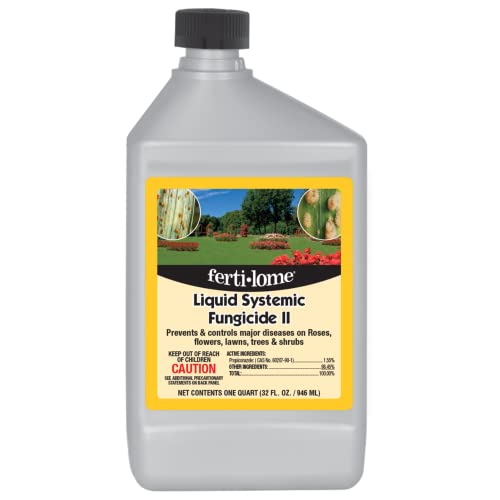
- Liquid systemic formulation designed to mix with water for easy application.
- Prevents and controls major fungal diseases on roses, flowers, lawns, and trees.
- Concentrate that expands coverage when diluted per label directions.
Bonide Infuse Systemic Disease Control
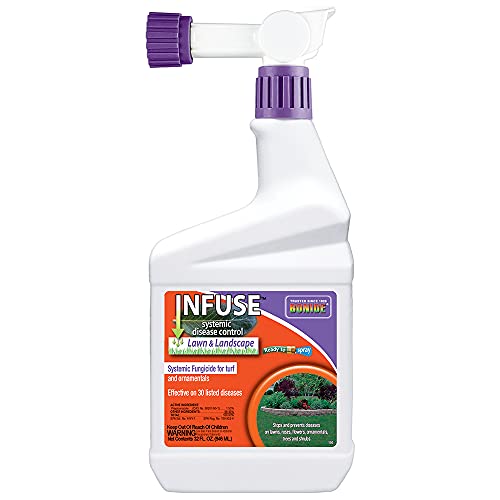
- Systemic disease control suitable for turf and ornamentals, including roses.
- Broad spectrum protection against rust, blight, powdery mildew, and more.
- Ready-to-spray formulation for convenient application around yards and garden beds.
Bonide Rose Rx Systemic Drench

- Dual action for six weeks of protection against insects and diseases.
- Systemic drench formulated for roses, flowers, and ornamentals.
- Simple base-application method around the plant or sprinkled atop beds.
Neudorff Plant Fungicide Spray

- Copper-based fungicide for organic gardening use on roses and edible crops.
- Controls powdery mildew, rusts, black spot, and other listed diseases.
- Appropriate for use up to harvest on fruit trees and flowering plants.
Buying Guide: Key Considerations For Choosing A Systemic Fungicide For Roses
- Active ingredient and spectrum: Compare active ingredients (eg, myclobutanil, copper-based) and note whether they provide systemic protection, preventive action, or both. Consider rose-specific issues like black spot, powdery mildew, and downy mildew.
- Mode of application: Decide between liquids, concentrates, or ready-to-spray formats. Drench methods offer root intake, while foliar sprays protect leaves; some products combine both approaches.
- Cure vs. preventive use: Some products emphasize curative action, others focus on prevention. For ongoing rose care, a product with preventive properties plus early control is ideal.
- Plant safety and residue: Look for labels that emphasize safety around people, pets, and edibles if you plan to apply near edible plants. Copper-based products may be restricted on certain plants or seasons.
- Environment and durability: Consider how long protection lasts and whether repeat applications align with your gardening schedule. Assess compatibility with other treatments (insecticides, fertilizers).
- Growth stage and timing: Some fungicides are better during active growth periods; others offer post-infection relief. Follow label timing to maximize efficacy and minimize stress on plants.
- Coverage area and dilution: Check the product’s recommended dilution rate and coverage per bottle. For larger rose beds, a product with broader coverage and easier mixing can save time.
- Organic vs. conventional: If organic gardening is a priority, copper-based and certain labeled products may be preferable. Verify organic certifications if needed.
- Safety handling: Use protective gear as advised, especially for concentrated formulations. Store and dispose of containers according to label directions.