Protecting fruits, vegetables, and ornamentals from common fungal diseases is essential for a healthy garden. Sulfur-based fungicides offer a long-standing, low-toxicity option that works against powdery mildew, rust, leaf spots, and more. This guide reviews five reliable sulfur products, highlighting their key features, ideal uses, and what to consider when buying. Whether you garden in the ground or in containers, these options help maintain plant vigor while supporting organic gardening goals.
Summary of Selected Products
| Product | Brand | Key Use | Form |
|---|---|---|---|
| Bonide 142 Sulfur Plant Fungicide | Bonide | Rust, leaf spot, powdery mildew on fruits, vegetables, ornamentals | Granular |
| Bonide Sulfur Plant Fungicide MICRONIZED | Bonide | Powdery mildew and related diseases | Dust/Spray |
| Grower’s Ally Fungicide Spray | Grower’s Ally | Powdery mildew, root/leaf diseases; indoor/outdoor | Ready-to-use spray |
| ARBER Organic Insecticide & Fungicide | ARBER | Powdery mildew, mites, aphids, whiteflies | Concentrate spray |
| True Organic Prilled Sulfur | True Organic | Lowering soil pH; general sulfur fertilization | Prilled granules |
Bonide 142 Sulfur Plant Fungicide

Bonide’s 142 Sulfur Plant Fungicide provides broad protection against fungi impacting fruits, vegetables, and ornamentals. Its formulation targets rust, leaf spot, and powdery mildew, making it a versatile choice for mixed plantings. The product notes include organic gardening eligibility, which aligns with growers seeking natural disease management strategies. It can be used on a variety of crops, including apples, berries, beans, grapes, and strawberries, as well as some livestock pest management contexts in specific formulations. For gardeners who want a familiar, trusted sulfur option, this product is a solid baseline choice.
Key considerations: When applying, consider weather conditions and spray coverage to ensure thorough leaf contact. The product is typically used as part of a routine spray schedule, especially during humid periods when powdery mildew is prone to develop. As with any fungicide, rotate with other modes of action to manage potential resistance and maintain long-term effectiveness. Users should follow label directions for safe handling and disposal.
Bonide Sulfur Plant Fungicide MICRONIZED

This micronized sulfur product from Bonide emphasizes fine particle size to improve coverage and contact with fungal targets. It is particularly noted for addressing powdery mildew and related diseases, with the added benefit of being used on a range of crops. Micronized formulations aim to enhance dispersion in water, which can improve spray uniformity and adherence to leaf surfaces. For gardeners dealing with persistent mildew issues, this option offers a dependable, easily mixed solution that fits both indoor and outdoor environments.
Key considerations: Follow label instructions for mixing rates and spray intervals. Because sulfur can volatilize under heat, apply during cooler parts of the day or under appropriate weather windows. Rotating with non-sulfur products helps prevent resistance and reduces the risk of phytotoxicity on sensitive plants. Always test on a small area if applying to new plant varieties.
Grower’s Ally Fungicide Spray for Plants

Grower’s Ally Fungicide Spray combines a plant-safe, citric-acid-based formula with sulfur’s protective properties. It targets powdery mildew and broader diseases, while also addressing certain root and crown rot conditions. The OMRI-listed, FIFRA 25(b) exempt formulation appeals to organic gardeners seeking a product with lower synthetic inputs. The concentrate is designed for indoor and outdoor use, allowing application on seedlings, established beds, and containers alike. The spray promises quick action to suppress growth of pathogens and pests when used preventively or at the first signs of trouble.
Key considerations: Because this is a bio-based fungicide, efficacy can vary with environmental conditions such as humidity and temperature. Apply in a thorough, even coat to leaf surfaces and soil zones. Dilution and spray technique are important for protecting new growth while avoiding leaf burn. Consider rotating with other disease-control methods to maintain lasting effectiveness.
Elemental Sulfur For Soil — Gardenwise
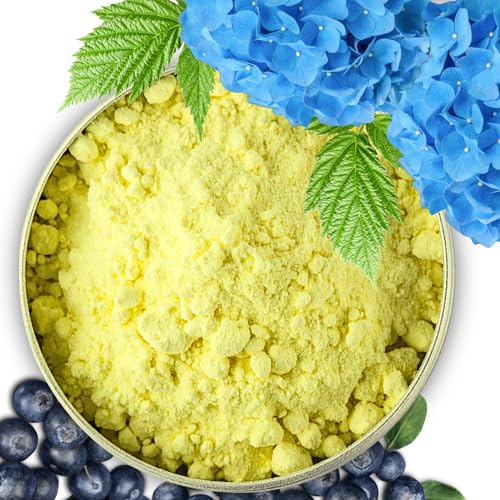
Gardenwise elemental sulfur is a 90% pure powder designed to act as a soil acidifier and pest-control aid for acid-loving plants like blueberries and hydrangeas. This product is valuable for gardeners wanting to adjust soil pH while contributing sulfur’s protective properties against certain fungal pathogens. It’s suitable for direct soil incorporation or dilution for foliar applications, offering flexibility in how sulfur is delivered to plants.
Key considerations: If soil pH is already near optimal levels for your crops, apply with care to avoid over-acidification. When used as a soil amendment, uniform mixing is important to prevent localized pH swings. For gardeners using it in sprays, rate and timing are crucial to minimize phytotoxic risk, particularly on sensitive species or young transplants.
True Organic Prilled Sulfur

True Organic Prilled Sulfur is a versatile option intended for lowering soil pH and supporting robust growth across vegetables, herbs, and flowers. In addition to soil pH adjustment, prilled sulfur offers a steady source of sulfur for plant nutrition, which can influence flowering and fruiting performance in sulfur-deficient soils. The bag’s coverage capacity helps gardeners estimate setup needs for larger plots or multiple beds.
Key considerations: Prilled sulfur is typically slower-acting for pH adjustment compared with water-soluble amendments, so plan applications ahead of crop cycles. For soil health, test pH and micronutrient availability to tailor application rates. Avoid excessive sulfur in already acidic soils, as it may harm delicate roots or lead to nutrient imbalances. Use as part of an integrated approach combining good sanitation, proper watering, and resistant varieties where feasible.
Buying Guide: Choosing The Right Sulfur Fungicide And Related Sulfur Products
When selecting sulfur-based products, consider disease targets, crop type, and application method. Powdery mildew, rust, and leaf spots respond well to both granular and micronized sulfur, while foliar sprays benefit from ready-to-use formulations for quick coverage. Organic gardeners should confirm OMRI or FIFRA exemptions and ensure compatibility with existing inputs.
- Form and coverage: Granular, dust, or spray formats affect how evenly sulfur reaches leaf surfaces and soil. Micronized forms typically disperse more uniformly in water.
- Crop compatibility: Some sulfur products may phytotoxic on sensitive species or during heat stress. Always test on a small area if using a new product on young plants.
- Soil pH management: Sulfur can lower soil pH, benefiting acid-loving plants but requiring pH monitoring for others. Pair with soil testing to optimize micronutrient availability.
- Rotation and resistance: Don’t rely on a single mode of action. Rotate with non-sulfur fungicides or cultural controls to maintain effectiveness and reduce resistance risk.
- Organic certification: If organic farming or gardening is a goal, verify product labeling and exemptions to ensure compliance with regulatory standards.
In practice, combine sulfur products with good garden hygiene—remove diseased leaves, improve air circulation, and water at the base of plants to minimize leaf wetness. For containers and small gardens, start with a moderate sulfur rate and monitor plant response before expanding usage. Always follow the product label for safe handling, storage, and disposal to protect humans, pets, and beneficial organisms.