Sulfur dust is a versatile soil and foliar amendment used to lower soil pH, improve nutrient availability, and combat fungal diseases. This guide highlights five widely used sulfur products, with practical notes on how they’re best applied for vegetables, fruit trees, ornamentals, and garden beds. Each option is evaluated for purity, particle size, and application method to help you choose confidently for American gardens and greenhouses alike.
Summary of Selected Products
| Product | Brand | Form | Key Use | Notes |
|---|---|---|---|---|
| Sevin Sulfur Dust 1.25 LB | Sevin | Dust | Disease and insect control; powdery mildew, rust, and mites | 2-in-1 option; versatile for roses, citrus, vegetables |
| I Must Garden Dusting Wettable Sulfur Powder | IMUSTGARDEN | Dust/Wettable | Organic-friendly soil conditioning; safe for most plants | Organic & natural; safe for wildlife |
| True Organic Prilled Sulfur | True Organic | Prilled | Lowering soil pH; promotes flowering and fruiting | Organic fertilizer benefits |
| Hi-Yield Dusting Wettable Sulfur | Hi-Yield | Dust/Wettable | Disease control; useful in yard and garden | Versatile; can be mixed with water |
| Elemental Sulfur for Soil – Gardenwise 90% Purity | GARDENWISE | Powder | Soil acidification; supports acid-loving plants | High purity; flexible application |
Sevin Sulfur Dust 1.25 LB

Sevin Sulfur Dust provides a 2-in-1 option for both disease and insect control. It is formulated to help combat powdery mildew, rust, leaf spot, scab, and mites while also serving as a general pest suppressant on a variety of plants, including roses, citrus, vegetables, and trees. This dual-use product is suitable for gardeners seeking a combined approach to plant health and pest management. Follow label directions for safe application on edible crops and ornamentals alike.
I Must Garden Dusting Wettable Sulfur Powder

IMUSTGARDEN’s sulfur powder is marketed as natural and organic, serving as a soil conditioner and plant-appropriate sulfur source. It is described as safe for flowers, vegetables, fruit trees, shrubs, and most houseplants, with environmental safety including wildlife and pollinator considerations. This option emphasizes organic farming compatibility and a broader safety profile for households with pets and children.
True Organic Prilled Sulfur

True Organic Prilled Sulfur focuses on promoting healthy plant growth and lowering soil pH. By providing sulfur in a prilled form, it assists with the availability of micronutrients and can support flowering and fruiting. This option is positioned for gardeners seeking an organic-suitable amendment that also helps with acidifying soil for appropriate plant species.
Hi-Yield Dusting Wettable Sulfur

Hi-Yield provides a flexible option for both dust and liquid applications. It is noted for its role in controlling diseases and insects, including rust mites and thrips. The ability to convert to a wettable spray expands its use across different gardening setups, including lawns and gardens where uniform coverage is needed.
GARDENWISE Elemental Sulfur for Soil
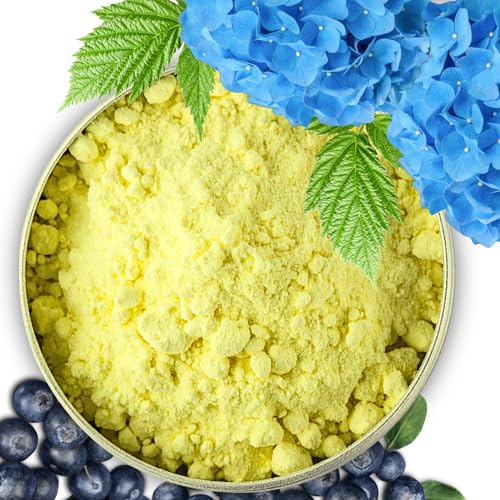
Gardenwise offers a 90% purity elemental sulfur powder designed to be a potent soil acidifier for blueberries, hydrangeas, azaleas, and rhododendrons. It supports pH adjustment and provides dual-use application options, allowing direct soil incorporation or dissolution for foliar sprays. Its high purity aims for consistent results in acid-loving garden beds.
Buying Guide: Key Purchase Considerations For Sulfur Tools
- Purity and particle size: Higher purity and finer powders generally mix more easily with soil or water and provide quicker soil acidification. Consider products labeled as “prilled,” “dusting,” or “wettable” to match your preferred application method.
- Application method: Dusting powders are convenient for dry coverage on foliage and soil surfaces, while wettable sulfur can be mixed with water for sprays. Some products offer both options; choose based on your pest and disease targets as well as plant type.
- Plant safety and selectivity: Organic and natural labels are important for edible crops and organic gardens. Check product notes for phytotoxicity risks and compatibility with pollinators when spraying near flowering plants.
- Soil pH impact: Sulfur lowers pH, making micronutrient availability more favorable for acid-loving plants. Before broad soil application, test your soil pH to avoid over-acidification that could harm less-tolerant species.
- Target pests and diseases: If powdery mildew, rust, or mites are issues, select products with proven efficacy against those pathogens. Dual-use products can also simplify daily garden routines by combining pest and disease management.
- Safety and handling: Follow label directions for protective gear, storage, and disposal. Sulfur dust can be dusty and should be applied with adequate ventilation and away from sensitive habitats.
- Environmental considerations: Opt for formulations that are safe for wildlife and pollinators when applied in landscaped areas or near fruit-bearing plants, as appropriate to the site.
- Cost and garden scale: Larger bags may offer better value for extensive landscapes, but smaller quantities reduce waste for home gardens. Consider your ongoing needs and storage conditions.
- Compatibility with other amendments: Sulfur often works best with balanced soil fertility programs. Plan your feeding strategy to avoid conflicts with lime, fertilizer blends, or preemergence products.
- Label and local regulations: Always read the product label for crop-specific allowances, restricted uses, and local regulations regarding pesticide and soil amendments.