Looking to build or refresh a fire pit with durable, heat-safe stones? This guide highlights five top options that balance heat resistance, aesthetics, and ease of maintenance. It targets buyers seeking practical fillers and decorative elements for gas-powered fire pits, fireplaces, and outdoor landscaping. Each pick is analyzed for who it’s best for, plus a clear note on potential limitations.
Summary at a glance:
- American Fire Products Medium Lava Rock (10 lb): Best for deep pits and as a first filler to cover gas lines.
- GASPRO Fire Pit Glass (20 lbs): Best for a bright, clean look with easy maintenance.
- Kleuete Fire Pit Glass (10 lb): Best for a reflective, decorative glow with strong heat resistance.
- LuckySlycyc Black Lava Rocks (10 lb): Best for rugged, natural lava stone with uniform shape.
- Skyflame Lava Rock Granules (5 lb): Best for versatile uses from pits to gardens and soil moisture retention.
American Fire Products Medium Lava Rock

Best for deep pits and large gas features. The 1/2”-1” lava rock works as a filler that covers piping and tubes in large fire pits or fireplaces. This economical filler forms a stable base before adding a top layer of fire glass for a finished look. Lava rock’s volcanic origin means it withstands extreme temperatures with little change in shape, reducing ongoing maintenance. Use in combination with fire glass to achieve a visually seamless design.
Who it’s best for: Homeowners with large outdoor pits or built-in fireplaces who want a practical, durable base layer. Also suitable for those seeking a cost-effective filler before applying decorative glass.
Limitations to consider: It can look plain on its own; a top layer of decorative glass is often preferred to hide the rocks while maximizing visual impact.
GASPRO 20 lbs Fire Pit Glass
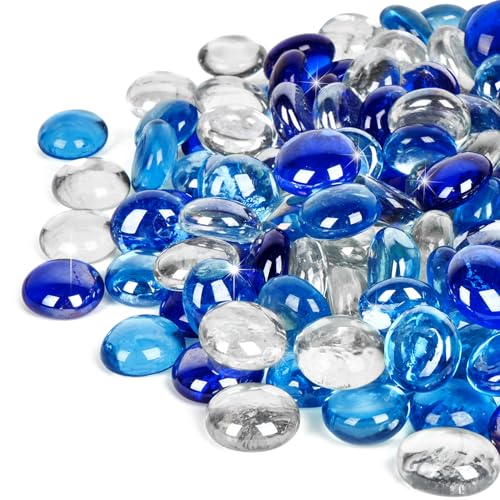
Best for a bright, clean flame presentation. These 3/4 inch fire glass beads deliver a sparkling, reflective surface that stays neat with easy wipe-down maintenance. They tolerate high temperatures (up to 1300°F) without discoloration, making them a long-lasting alternative to lava rocks. Colors create a dynamic daytime and nighttime look as flames reflect off the glass.
Who it’s best for: Buyers prioritizing a modern, decorative pit look with low soot and debris. Ideal for newer pits or upgrades to refresh an existing setup.
Limitations to consider: Fire glass can be pricier than lava rock and may require a top layer or careful arrangement to avoid visible gas components.
Kleuete 10 Pound Reflective Fire Glass

Best for dramatic, reflective glow. This 1/2 inch fire glass is designed to create a luminous glow with a reflective finish. The tempered glass withstands high heat, maintains color, and adds a premium look to both indoor and outdoor fire features. It can be used with natural gas or propane and pairs well with darker background surroundings for enhanced contrast.
Who it’s best for: Those who want a high-end, diamond-like sparkle and a versatile option for a range of fire features.
Limitations to consider: The glass color varies by batch; ensure consistency if combining multiple bags for a single installation.
LuckySlycyc Black Lava Rocks

Best for a rugged, natural look with durability. These 2-3 inch lava stones offer a bold, natural appearance and high temperature resistance. They’re naturally occurring volcanic stones without fillers, providing a robust base for large pits or fireplaces. The uniform tumbling reduces sharp edges for safer handling and a cleaner aesthetic.
Who it’s best for: Buyers seeking a substantial, natural lava look with fewer visible pipes and more organic texture.
Limitations to consider: The larger size means slightly less surface coverage per pound; plan volume accordingly for even dispersion.
Premium Pebbles Black Lava Rocks

Best for versatile design and long-term heat management. These 1/2 to 1 inch lava rocks are sourced for heat resistance and are suitable for decorative landscaping as well as fire pits. They help retain heat and provide a deep, natural color that complements a range of outdoor styles. They can also be used in water features or indoor decor where heat is a factor.
Who it’s best for: Gardeners and designers who want a flexible material that performs in different environments, not just the pit.
Limitations to consider: Some buyers may prefer smaller sizes for more even burner coverage; verify footprint needs before purchase.
Buying Guide: Stones And Glass For Fire Features
- Material type: Lava rock provides a natural, durable base; fire glass offers a reflective, clean look with minimal debris.
- Fit for purpose: Large pits benefit from bigger stones as a base; smaller glass beads work well as a top layer for aesthetics.
- Heat considerations: All listed products are designed for high-heat gas fires; check temperature tolerance when mixing materials.
- Maintenance: Lava rocks can trap soot; fire glass cleans easily and resists discoloration but may require more upfront cost.
- Installation tips: Use a base layer to cover gas lines; plan a top layer for visual appeal and even heat distribution.
- Safety: Ensure rocks are well-dispersed and do not obstruct gas burners or thermocouples.
Frequently Asked Questions
- What’s the difference between lava rocks and fire glass? Lava rocks are porous, economical fillers that cover gas lines and help with heat distribution; fire glass provides a reflective, low-maintenance surface that stays clean with wipes.
- Can lava rocks be used with propane and natural gas? Yes. Lava rocks are suitable for both propane and natural gas fire features.
- Which material lasts longer? Fire glass generally requires less maintenance and may appear longer-lasting in outdoor conditions, while lava rocks are extremely durable but may show soot over time.
- How many pounds do I need for a standard pit? Coverage varies by stone size; lava rocks and glass both have approximate coverage figures on product pages—plan for even dispersion and consider a top layer for aesthetics.
- Can I mix lava rock with fire glass? Yes, many installations combine a base lava rock layer with a decorative fire glass top for a balanced look.
- Are these options safe for indoor use? Indoor use is possible with appropriate ventilation and fire-safe installation; always follow manufacturer guidelines and local codes.