Eliminate fungus gnats and other common indoor plant pests with effective, plant-safe sprays. This guide compares five top options, highlighting who each product is best for, why it works, and any limitations to watch for. Ideal buyers include indoor gardeners, apartment plant enthusiasts, and hobbyists seeking pet-safe solutions. Whether you deal with fungus gnats, fruit flies, or mites, the right spray can restore plant health and keep living spaces pest-free.
Product Comparison At a Glance
| Product | Brand | Best For | |
|---|---|---|---|
| Kate’s Garden Plant Spray for Insects & Getting Rid of Gnats | KATE’S GARDEN | Indoor plants; small spaces | Natural peppermint and rosemary oils for gnat control |
| Kate’s Home & Garden Plant Spray with 12 Sticky Traps | Kate’s Home & Garden | Homes with multiple plants; enhanced coverage | Includes sticky traps to boost pest capture |
| Bonide Captain Jack’s Neem Oil, Ready-to-Use | Bonide | Organic-friendly pest control; broad pests | Multi-purpose fungicide, miticide, insecticide |
| Eco Defense Gnat Spray for Indoor Plants | Eco Defense | Daily indoor plant care; safer formula | Lab-tested results; plant-friendly essential oils |
| NatureStop Fungus Gnat Killer Spray | NatureStop | Soil and houseplants; quick knockdown | Fast-acting, safe for children and pets when used as directed |
Kate’s Garden Plant Spray for Insects & Getting Rid of Gnats

Best for compact indoor plant setups and small apartments, this spray targets gnats, fruit flies, and spider mites. It relies on natural ingredients—peppermint and rosemary oils—to control pests while remaining a safer option for homes with pets and children when used as directed. Consider this option if you want a simple, plant-based solution with quick site-wide use on indoor greenery.
Why chosen: It delivers a straightforward gnat-killing approach with a focus on essential oil repellents, making it suitable for routine indoor plant care. It’s easy to apply to potting soil and foliage, reducing adult gnats as they emerge from the soil and improving plant vigor over time. Best for homeowners seeking a natural alternative to chemical sprays.
Limitations: As with many essential-oil formulations, efficacy can vary with infestation severity. For severe gnats, pairing with cultural controls (drying soil between uses, improving drainage) can enhance results.
Kate’s Home & Garden Plant Spray with 12 Sticky Traps

Best for households dealing with recurring gnats and wanting reinforced coverage, this bundle combines a peppermint- and rosemary-based spray with 12 sticky traps. It’s well-suited for homes with several potted plants or a growing indoor garden. The included traps help intercept adults, potentially speeding up control when used together with regular spraying.
Why chosen: The combination of spray and sticky traps provides a multi-pronged approach—reducing larval populations in soil and capturing adults in the air. This makes it a practical pick for residential spaces where pests reappear after initial treatment. Choose this if you value a ready-made, all-in-one pest management kit.
Limitations: The traps are subject to availability; the manufacturer notes replacement if traps are missing, which adds a layer of contingency for users who rely on the full kit. This product is best for ongoing, moderate infestations rather than a one-time fix.
Bonide Captain Jack’s Neem Oil, Ready-to-Use
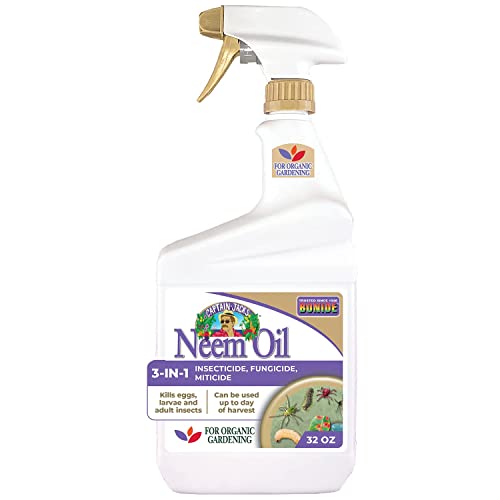
Best for gardeners seeking a versatile, organic option, Neem Oil provides a broad spectrum of pest control—fungi, mites, bacteria, and various insects—without synthetic chemicals. This ready-to-use spray is convenient for immediate treatment and can be applied up to harvest in edible gardens when used according to label directions. It’s a solid choice for long-term preventive care in organic setups.
Why chosen: Neem oil acts at multiple life stages, helping disrupt pest cycles and reduce damage from common indoor and outdoor pests. It’s particularly appealing to gardeners who prefer organic or minimal-chemical approaches and want a product that doubles as a preventive spray.
Limitations: Neem oil can have a slower action compared to contact-insecticides; effectiveness may depend on thorough coverage and proper timing, especially on contact-sensitive plant tissues.
Eco Defense Gnat Spray for Indoor Plants

Best for daily plant care with a clean, natural scent, this spray emphasizes essential oils and lab-tested results. It’s designed to be safe for homes with pets and kids when used as directed, while delivering dependable results against gnats and related pests. The emphasis on natural ingredients makes it a go-to for fragrance-conscious households that still want effective pest control.
Why chosen: This option combines a cautious formulation with proven performance, making it a reliable everyday spray for routine plant maintenance and ongoing pest prevention.
Limitations: Some users may require repeated applications for stubborn infestations, and the exact field efficacy can be influenced by indoor conditions and plant type.
NatureStop Fungus Gnat Killer Spray

Best for quick-acting treatment of soils and houseplants, NatureStop targets fungus gnats at all life stages, including eggs and larvae. It’s positioned as safe for households with children and pets when used as directed, making it suitable for families and shared living spaces where plant health matters alongside safety concerns.
Why chosen: The broad life-stage efficacy helps reduce the gnat population at its source, not just on contact with adults, which is valuable for preventing re-infestation in soil-based environments.
Limitations: As with many soil-targeted products, results depend on proper soil drench application and adequate coverage of root zones. For heavily infested soils, multiple treatments may be needed.
Buying Guide: How To Choose The Right Gnat Spray
What matters most when selecting a gnat spray is balancing safety, effectiveness, and practicality for your space. Consider these questions:
- Indoor vs. outdoor use: Is the spray formulated for indoor plant care, or is it also suitable for outdoor gardens? Indoor-focused formulas are typically gentler and safer in living spaces.
- Target pests: Are you dealing with gnats alone or multiple pests (mites, aphids, fruit flies)? Multi-target products simplify care.
- Active ingredients: Do you prefer natural essential oils (peppermint, rosemary) or broader-spectrum options like neem oil or BTi-based formulations?
- Plant safety: Are the ingredients safe for edible plants or households with pets and children when used as directed?
- Application method: Do you want a spray, a soil drench, or something that includes physical traps or supplemental monitoring?
- Infestation level: Light, moderate, or heavy? Bundles with traps or follow-up applications can help scale treatment to infestation severity.
Practical Tips For Best Results
- Begin with clear soil-drench or foliar application following label directions, especially for root-zone pests.
- Allow soil to dry between applications to reduce overwatering and discourage gnat breeding.
- Pair chemical or natural sprays with cultural controls: avoid overwatering, improve drainage, and use sticky traps where appropriate.
- Test any new spray on a few leaves before broad application to observe for phytotoxicity.
- Rotate among products to prevent pests from developing resistance or reduced susceptibility.
Frequently Asked Questions
- What is the fastest way to kill gnats in houseplants?
– A combination of a soil drench to disrupt the larvae and an indoor-safe spray for adult gnats is typically most effective, along with reducing watering frequency. - Are natural sprays safe for pets?
– Many natural formulations are designed to be pet-safe when used as directed; always follow label instructions and keep animals away during application if advised. - Can I use neem oil on edible plants?
– Neem oil is often labeled for edible plants when used as directed; verify the product label for specific crops and harvest intervals. - Do sprays work on all life stages of gnats?
– Some products target larvae in soil (BTi-based or microbial formulations) while others kill adults on contact; using both approaches can improve results. - How long does it take to see results?
– Results can vary; some products begin reducing visible adults within days, while soil treatments may require multiple applications over a couple of weeks. - Should I use traps along with sprays?
– Yes. Sticky traps or culture controls can quickly capture adults and reduce breeding, complementing spray-based pest suppression.