Looking for an effective plant spray to keep pests off your vegetables, roses, and houseplants? This guide highlights five ready-to-use options that target common garden insects and indoor pests. Each product is described with who it’s best for, its key strengths, and a practical caveat. Use this to compare approaches—from edible-focused sprays to neem-like and peppermint-based solutions—so you can choose the right mix for your plants and space.
Summary table of selected products:
| Product | Best For | Key Benefit | Limitations |
|---|---|---|---|
| BioAdvanced Organics Brand Tomato, Vegetable & Fruit Plant Bug Spray | Edibles, home gardeners who grow vegetables and fruit | Curative control and fast-killing action on listed pests | May require reapplication for persistent pests |
| BioAdvanced Rose and Flower Insect Killer | Roses and flowering plants | Broad-spectrum killer for 100+ insects | Protection duration up to 14 days |
| Kate’s Home & Garden Plant Spray for Insects & Getting Rid of Gnats | Indoor plants with gnats and mites | Includes 12 sticky traps for gnats and peppermint/rosemary oils | Traps may arrive missing—replacement offered |
| Kate’s Garden Plant Spray for Insects & Getting Rid of Gnats | Indoor plants needing gnat control | Natural ingredients and gnat-focused formula | Similar limitations as other gnat-focused sprays |
| VermExon Peppermint Oil Insect & Pest Control Spray | Multi-pest indoor use; safe for home and fabrics | Plant-based, peppermint oil strong against many pests | May leave a peppermint scent after use |
BioAdvanced Organics Tomato, Vegetable & Fruit Plant Bug Spray
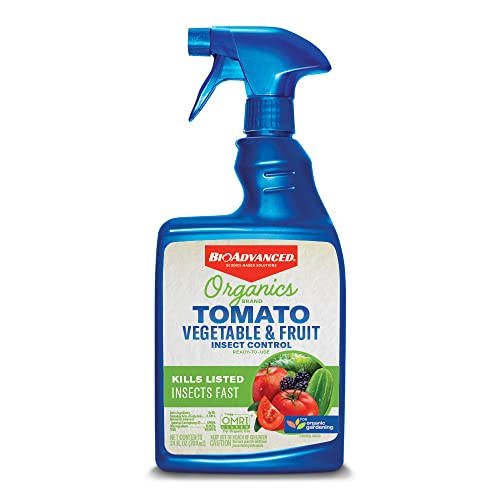
This ready-to-use spray targets common garden pests on edible crops. It provides curative control against pests like aphids, caterpillars, mealybugs, and spider mites on vegetables, fruits, and edible ornamentals. Best for home gardeners growing tomatoes, peppers, berries, and citrus trees who want quick, contact-kill action to protect edibles without complex prep. A limitation is the need for reapplication after heavy rain or if pests persist beyond initial treatment.
BioAdvanced Rose and Flower Insect Killer
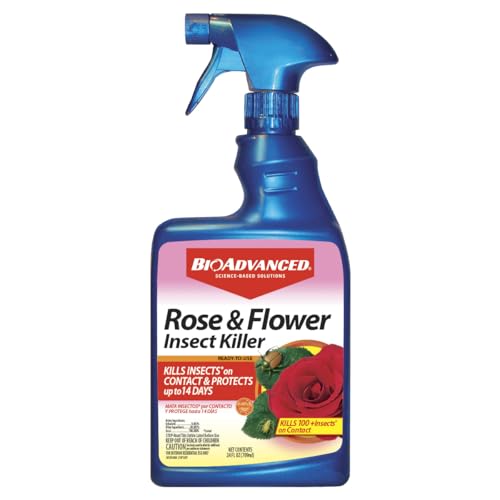
This spray provides broad-spectrum insect control for roses, flowers, and container plants. It’s suitable for outdoor beds and garden borders where flowering plants attract pests like aphids, whiteflies, and beetles. Best for rose and flower beds where a rapid knockdown is desired and longer protection (up to about two weeks) is acceptable. A caveat is that protection duration can vary with weather and plant type; some pests may require repeat treatment.
Kate’s Home & Garden Plant Spray for Insects & Getting Rid of Gnats

This kit targets indoor plant gnats with a paired approach: a peppermint/rosemary oil-based spray plus 12 sticky traps to catch gnats. Best for indoor plant collections and home offices where fungus gnats, spider mites, and fruit flies are common. The traps are a helpful addition, but users should verify trap quantity upon arrival and be ready for ongoing spraying to control recurring gnats.
Kate’s Garden Plant Spray for Insects & Getting Rid of Gnats

A plant-focused spray designed to eliminate gnats, fruit flies, and mites on indoor plants. Best for apartments or compact spaces with limited soil moisture where fungus gnats thrive. It uses natural ingredients such as peppermint and rosemary oils to minimize harsh chemicals. A limitation is that results can vary with infestation level and plant type; some users may require repeated applications.
BioAdvanced Tomato & Vegetable Pest Control and Insect Killer

This 24-ounce spray is designed for vegetables like tomatoes, peppers, and carrots. It delivers fast-acting protection against aphids, cutworms, and other pests and is versatile enough for a range of vegetables. Best for gardeners focusing on vegetable patches who want a reliable, ready-to-use solution. A limitation to note is potential reapplication after rainfall or irrigation events, as with many foliar sprays.
Buying Guide: How To Choose The Right Plant Bug Spray
- What plants are you protecting? Edibles like tomatoes and peppers may require products labeled for edible use; flowering plants may benefit from rose-and-flower formulas.
- What pests are you dealing with? Identify the pest range (aphids, gnats, caterpillars, mites) to pick a product with proven knockdown for those pests.
- Indoor vs. outdoor use Indoor sprays should be gentler and safer for people and pets; outdoor formulas can be stronger and offer longer protection against weather.
- Active ingredients and safety Compare plant-based oils (peppermint, rosemary) with traditional insecticides to balance safety, scent, and efficacy.
- Protection duration and reapplication Consider how often you’re willing to reapply and how weather affects performance.
- Stickiness and residue Some sprays may leave a film or odor; peppermint-based sprays typically have light scent and low residue.
Frequently Asked Questions
- Can I spray these on edible plants? Yes, but verify label directions for edible use and wait times before harvest if specified.
- How often should I reapply? Reapplication frequency depends on the product and pest pressure; many garden sprays require reapplication after rain, heavy dew, or as pests re-emerge.
- Are plant-based sprays safer for kids and pets? Plant-based formulations are generally gentler, but always follow label directions and keep treated areas separate until dry.
- Will these sprays affect beneficial insects? Some sprays are broad-spectrum; consider targeted products if pollinators or beneficials are nearby. Apply cautiously to avoid non-target effects.
- Do these sprays also act as a fungicide? Some products claim curative or protective effects against certain fungi, but read the label to confirm fungicidal claims and compatibility with your plants.
- What should I do if a trap is missing in a bundled kit? Contact the seller for replacements; many bundles offer replacements for missing components.