Indoor gardens benefit from targeted, effective spider mite sprays that protect plants without harming people, pets, or pollinators. The following five products are selected for their broad compatibility with houseplants, ease of use, and proven performance against mites, aphids, and other common pests. Each option offers unique advantages—whether you prefer all-natural ingredients, ready-to-use convenience, or a multi-action formula that tackles insects, mites, and fungal issues in one go.
Summary of selected products
| Product | Brand | Type | Key Benefit |
|---|---|---|---|
| Captain Jack’s Neem Oil | Bonide | Neem oil spray | 3-in-1 fungicide, miticide, insecticide; ready-to-use |
| Grower’s Ally Spider Mite Spray | Grower’s Ally | Botanical miticide/insecticide | Organic, OMRI-listed; targets mites with natural oils |
| Insecticidal Soap | Bonide | Insecticidal soap spray | Multi-insect control; direct contact action |
| BioAdvanced Houseplant Insect & Mite Control | BioAdvanced | Fungus, mite, and insect control | Indoor/outdoor use; broad pest protection |
| Earth’s Ally 3-in-1 Plant Spray | Earth’s Ally | Botanical oil-based spray | Kills and repels pests; disease prevention |
Bonide Captain Jack’s Neem Oil Spray
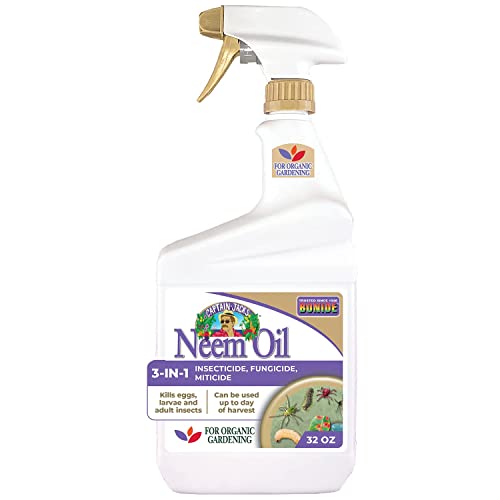
Bonide Captain Jack’s Neem Oil is a ready-to-use spray designed for organic gardening. It functions as a fungicide, miticide, and insecticide, offering broad-spectrum protection for indoor plants against mites, mildew, and other common pests. The product is convenient to deploy with a spray nozzle and can be used up to harvest, making it a versatile option for frequent plant care. It effectively targets multiple life stages of insects, including eggs, larvae, and adults, reducing reinfestation risk and supporting plant health.
For indoor environments, Neem Oil provides a gentle yet effective approach. Apply to the undersides of leaves and new growth where mites often hide. While it is widely compatible with many houseplants, always test on a small area first to confirm the plant’s tolerance. Regular applications every 7–14 days, depending on infestation, help maintain pest control without harsh chemical exposure.
Grower’s Ally Spider Mite Spray
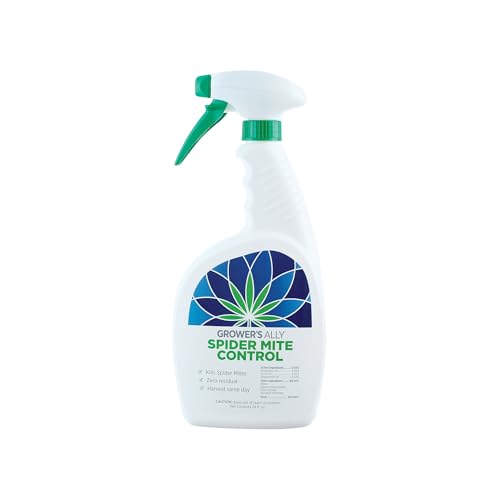
Grower’s Ally Spider Mite Spray is a natural, OMRI-listed solution formulated to kill and deter mites on indoor and outdoor plants. Its blend of rosemary, clove, and peppermint oils provides a botanical approach that is FIFRA 25(b) exempt, meaning fewer synthetic residues. The spray targets both adult mites and nymphs, offering preventive and curative protection when used as part of a regular maintenance routine. The formula is designed to be safe for pollinators and household occupants while maintaining plant vigor.
Its mode of action relies on disrupting the mites’ nervous system, leading to paralysis and death on contact. Because it is a botanical-based miticide, it is well-suited for frequent use in homes with sensitive residents or pets. Apply at the first sign of mite activity, reapplying as needed to maintain suppression. Always follow label directions for recommended intervals and coverage.
Bonide Insecticidal Soap
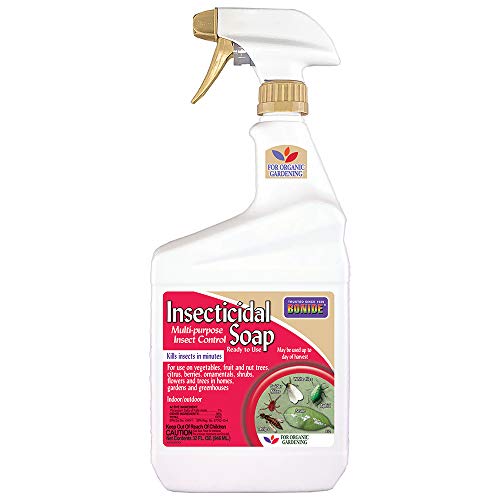
Bonide Insecticidal Soap is a ready-to-use spray designed for multi-insect control, including spider mites on indoor plants. It works by direct contact and ingestion, delivering immediate activity against pests such as aphids, mites, and other soft-bodied insects. While primarily used outdoors, it can also be applied to greenhouse environments or well-ventilated indoor spaces where pests are active. The product is suitable for a broad range of ornamentals, edibles, and greenhouse crops, making it a flexible option for varied plant care needs.
When applying indoors, ensure even coverage on both the upper and lower leaf surfaces, focusing on areas with visible pest colonies. Reapply as needed, following label instructions. While generally safe for many plants, some sensitive varieties may react; a small test spray on a leaf edge is advisable before broader use.
BioAdvanced Houseplant Insect & Mite Control

BioAdvanced Houseplant Insect & Mite Control is a ready-to-use spray formulated for indoor and outdoor houseplants. It targets mites, aphids, whiteflies, and other common pests. The product is designed to protect against both pests and certain diseases, offering a 3-in-1 approach when used as directed. It’s suitable for a wide range of houseplants, from ficus to ferns, and can be used during routine maintenance or in response to a detected infestation.
For mites, focus on thoroughly spraying the undersides of leaves, tips, and new growth where mites congregate. Reapply according to label directions to sustain suppression. As with all chemical controls, use in a well-ventilated area and avoid application on stressed or recently transplanted plants to minimize potential phytotoxic effects.
Neem Oil Spray With Peppermint Oil

Smart Grower’s Neem Oil Spray combines neem oil with peppermint oil for enhanced pest control and plant care. The formula is designed to leave plant leaves shiny while providing a natural defense against mites and other pests. The inclusion of peppermint oil may provide a refreshing scent and added deterrence for some insects. This ready-to-use spray is suitable for numerous indoor plants, including ornamentals and edible varieties, making it a versatile option for household gardens.
As with any essential oil-based spray, perform a small test on a leaf edge to confirm compatibility with delicate species. Apply evenly to both sides of leaves, including the undersides where mites hide. Reapply on a schedule that aligns with the pest pressure you observe, especially during active growing seasons.
BioAdvanced 3-in-1 Insect, Disease & Plant Mite Control

This BioAdvanced formula provides a 3-in-1 approach: insect control, disease management, and mite control. It protects against aphids, whiteflies, and mites while addressing fungal issues like black spot and powdery mildew. The spray is suitable for indoor plants, making it a practical choice for busy households seeking consolidated pest management. Users should follow label directions to ensure thorough coverage, particularly on the undersides of leaves where pests tend to hide.
In practice, applying this product as part of a routine maintenance plan helps keep multiple threats in check. It is important to rotate products when using chemical controls to minimize resistance development and to monitor for phytotoxic responses on sensitive plant species.
Buying Guide: Key Purchase Considerations
- Target pests and life stages: Some products are best for mites specifically, while others address multiple pests. Look for labels that mention spider mites, eggs, larvae, and adults for comprehensive control.
- Indoor suitability: Ensure the product is safe for indoor use and compatible with houseplants. Check for low-odor formulations and guidance on ventilation.
- Organic and natural options: If you prefer organic gardening, choose OMRI-listed or FIFRA 25(b) exempt products. Botanical oils and soaps are common in this category.
- Mode of action: Consider whether you want a contact killer, systemic protection, or a combination that also addresses fungal issues. Mixing products should be avoided unless allowed by label directions.
- Plant safety: Always test on a small leaf before broad application, especially for new or delicate varieties. Follow interval and coverage recommendations to prevent leaf burn or stress.
- Reuse and maintenance: For ongoing mite issues, create a spray schedule aligned with plant growth stages and pest pressure. Rotate products if possible to reduce resistance risk.
- Application environment: Some formulas are best used outdoors or in vented spaces; others are safe indoors with proper airflow. Avoid spraying during high heat or direct sunlight on sensitive plants.
- Safety considerations: Note any labels about pet and child safety, eye protection, and storage requirements. Keep out of reach of children and pets as directed.
When selecting a spray for indoor plants, balance efficacy, plant compatibility, and ease of use. A multi-action formula can reduce the number of products needed, while a targeted miticide may offer stronger mite suppression for persistent infestations. Regular monitoring and adjustment to the spray schedule will help maintain a healthy, thriving indoor garden.