Choosing the right soil inoculant can improve nitrogen fixation, root development, and yields for beans and other legumes. The following five products are chosen for their proven formulas, legume-targeted benefits, and practical application. Each section explains how the inoculant works, what crops it supports, and why it may fit your garden or small farm. Use this guide to compare options and select a product that aligns with your soil needs and planting schedule.
| Product | Plant Type | Format | Key Benefit |
|---|---|---|---|
| Park Seed Nature’s Aid | Beans, Peas, Vetch | Granular | Boosts nitrogen fixation; easy to apply |
| Legume Powder Inoculant | Beans, Peas, Vetch, Lentils | Powder | Root nodulation for future soil nitrogen |
| Papaw’s Garden Supply | Peas, Beans | Powder/Packet | Root-nitrogen fixation for legumes |
| Micronoc Seed Inoculant | Legumes | Powder | Nitrogen-fixing blend plus nutrient solubilizers |
| Myco Bliss Granular | Beans, Peas | Granular | 5-strain mycorrhizae for nutrient uptake |
Park Seed Nature’s Aid Garden Soil Inoculant
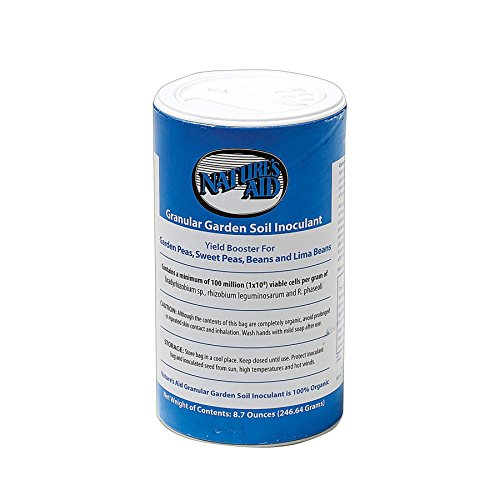
Park Seed Nature’s Aid is a granular soil inoculant designed to introduce nitrogen-fixing bacteria into the soil. It targets legumes such as beans (excluding soybeans), peas, and vetch, supporting better nodulation and nitrogen uptake. The granular format allows for straightforward application during sowing, helping establish a productive microbial environment from the start of the growing season. By improving the nitrogen cycle in the root zone, plants can develop stronger roots and healthier foliage with reduced reliance on synthetic fertilizers.
Key points:
– Contains bradyrhizobium sp., rhizobium leguminosarum, and R. phaseoli for legumes.
– Granular and easy to apply at planting.
– Aims to boost yields and soil fertility over the long term.
Legume Powder Inoculant

This Mountain Valley Seed Company powder inoculant is crafted specifically for legume cover crops and seeds. It supports root nodulation in peas, beans, fava beans, lentils, broad beans, and hairy vetch, helping nitrogen fix into the soil for future crops. Powder formulations are convenient for seed coatings or pre-plant dusting, enabling quick integration into your planting workflow. With strategic use, this product can improve soil nitrogen reserves while promoting healthier germination and early vigor in legumes.
Key points:
– Targeted rhizobia blend for legume crops and cover crops.
– Suitable for beans, peas, lentils, fava/broad beans, and hairy vetch.
– Aids soil nitrogen cycling to benefit subsequent plantings.
Papaw’s Garden Inoculant For Peas And Beans

Papaw’s Garden Supply offers a compact inoculant designed to attach to bean or pea roots and support nitrogen fixation. The 1.5-ounce packet covers a practical volume for small plantings and home gardens, delivering the microbial benefits needed to improve nodulation and healthier early growth. This option is useful for gardeners who prefer a simple, targeted product to support legume crops without large quantities of material.
Key points:
– Root-attaching inoculant aimed at peas and beans.
– Compact 1.5 oz packet for small to medium plantings.
– Focuses on enabling free nitrogen production for legumes.
Micronoc Seed Inoculant

Micronoc Seed Inoculant provides an 8 oz powder blend focused on legume crops. It includes nitrogen-fixing bacteria, phosphate solubilizers, and beneficial fungi, offering a balanced soil microbial boost. This product aims to unlock soil nutrients, improve root proliferation, and enhance overall vigor for beans and other legumes. The formulation emphasizes seed coating and early root establishment, helping plants start strong during germination and early growth stages.
Key points:
– Combines nitrogen-fixers, phosphate solubilizers, and fungi.
– Designed for seeds and early root development.
– Suitable for peas, beans, and other legumes.
TeraGanix EM-1 Microbial Inoculant

TeraGanix EM-1 is a broad-spectrum microbial inoculant marketed for multiple uses, including soil conditioning and crop health. While not exclusively legume-focused, it can improve soil texture and microbial diversity, potentially benefiting bean plant health and yield through improved drainage and nutrient cycling. The product notes suggest a large-use bottle, suitability for farms and homesteads, and potential improvements in overall soil quality.
Key points:
– Broad-spectrum microbial inoculant for soil health.
– May improve soil texture and drainage.
– Useful for diverse crops including beans and peas when integrated into a broader soil-amendment plan.
Buying Guide: Key Purchase Considerations For Beans And Legumes
When selecting a soil inoculant for beans, consider the following factors to match your growing conditions and goals:
- Legume specificity: Choose inoculants formulated for beans, peas, or general legumes to optimize nodulation and nitrogen fixation. Some products are broad-spectrum while others target specific species or cover crops.
- Form and application: Granular inoculants are often easier to apply during sowing, while powders may require seed coating or dusting. Liquid formats can be convenient for root dipping but may require additional handling.
- Microbial spectrum: Look for products containing rhizobium strains known to form nodules with your legume species. Some blends also include mycorrhizal fungi or phosphate solubilizers for broader soil health benefits.
- Soil and climate considerations: Inoculants can help in nitrogen-poor soils and in rotations with legumes. In highly fertile soils, benefits may be modest; in degraded soils, inoculants can jump-start nodulation and soil biology.
- Storage and shelf life: Some products require refrigeration or have limited shelf lives. Check expiry dates and store as directed to maintain viability of the microbial life.
- Compatibility with other inputs: If you plan to apply compost, synthetic fertilizers, or other soil amendments, ensure compatibility to avoid harming beneficial microbes.
- Small-batch testing: For new products, consider a small test plot to assess germination and nodulation before wide-scale use.
Depth of coverage varies by product. For gardeners prioritizing simple application, granular or powder inoculants tied to legumes often deliver reliable nodulation. For those seeking enhanced soil health beyond legumes, combining a legume-specific inoculant with a broader microbial mix can support diverse crop rotations and longer-term soil fertility.