Blueberries thrive in acidic soils, but many gardens drift toward neutral or alkaline. Choosing a proven soil acidifier helps lower pH safely, improves nutrient uptake, and promotes sweeter, more vibrant blueberry yields. Below is a carefully selected lineup of five mainstream options, each known for consistent performance, ease of use, and clear benefits for blueberries and other acid-loving plants. The table at the start highlights key details to help you compare quickly.
| Product | Brand | Size | Top Benefit |
|---|---|---|---|
| Espoma Organic Soil Acidifier | Espoma | 6 lb | Lowers soil pH with elemental sulfur; suited for blueberries and hydrangeas |
| Jobe’s Organics Granular Soil Amendment | Jobe’s Organics | 6 lbs | Natural elemental sulfur; OMRI listed for organic gardening |
| Espoma Organic Soil Acidifier | Espoma | 30 lb | Large bag to support larger beds or multiple plantings |
| True Organic Soil Acidifier | True Organic | 6 lb | Lower pH to support acid-loving plants; hydrangea-friendly |
| Southern Ag Pelletized Soil Acidifier | Southern Ag | 5 lb | Pellet form for easy application; targets lawns and ornamentals |
Espoma Organic Soil Acidifier – 6 lb
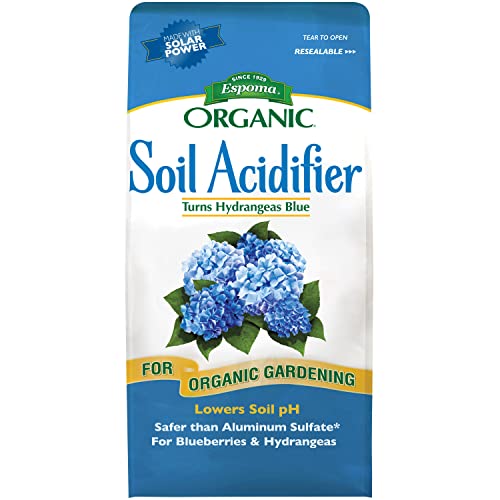
Espoma’s Soil Acidifier is a widely used option for improving acidity in soils suitable for blueberries, azaleas, rhododendrons, and other acid-loving species. The formula relies on elemental sulfur to lower pH, with gypsum included for balance. It’s designed for organic gardening and integrates smoothly into planting beds, containers, and established soil mixes. Growers appreciate predictable pH shifts and a product that supports long-term soil health without synthetic additives.
Jobe’s Organics Granular Soil Amendment – 6 lbs

Jobe’s Organics delivers an OMRI-listed, granular acidifier that favors blueberries and other hydrangea family plants. The product emphasizes natural sulfur to reduce soil alkalinity while minimizing runoff and mess. It is designed to minimize odor and hazards during application, making it a practical choice for home gardens and organic beds where blueberry health depends on sustained soil acidity. The formulation avoids synthetic compounds while promoting vibrant color and lush foliage.
Espoma Organic Soil Acidifier – 30 lb

This larger bag version of Espoma’s acidifier is designed for bigger beds, landscape patches, or multiple blueberry bushes. Like the 6-pound option, it lowers pH through elemental sulfur and gypsum, supporting a broad range of acid-loving crops. The extended supply helps keep soil conditions stable over a growing season, reducing the need for frequent reapplication in larger plantings and mixed berry patches.
True Organic Soil Acidifier – 6 lb

True Organic emphasizes a straightforward approach to lowering soil pH for acid-loving plants. The product is positioned as ideal for hydrangeas and other acid-tavoring species, including blueberries. The formulation centers on making soil conditions more conducive to nutrient uptake for healthier blooms and foliage. It provides a reliable option for gardeners seeking a dependable, low-chemical-impact method to enhance acidity.
Southern Ag Pelletized Soil Acidifier – 5 lb

Southern Ag’s pelletized formula offers simple, mess-free application for lawns, blueberries, and other acid-loving plants. The pellets dissolve over time to consistently lower soil pH, supporting healthier hydrangeas and blueberry bushes. This option is well-suited for gardeners seeking an easy-to-measure product that integrates evenly with existing soil without requiring complex mixing or frequent reapplication.
Buying Guide: Key Considerations For Selecting A Blueberry-Ready Soil Acidifier
- Soil test results: Start with a soil test to determine current pH. Blueberries typically perform best when pH sits between 4.5 and 5.5; adjust targets based on your specific soil and plant variety.
- Form and ease of use: Pellets, granules, and powder each have pros. Pellets are convenient for lawns and established beds; powders mix evenly into soil or water for foliar use if recommended by the label.
- Organic vs. synthetic emphasis: For organic gardens, look for OMRI-listed products and elemental sulfur-based formulas. Consider the long-term impact on soil biology and microbial activity.
- Rate and timing: Follow label directions for application rates and seasonality. Applying in fall or early spring helps plants uptake nutrients as active growth resumes.
- Target plants: Ensure the product is suitable for blueberries, azaleas, rhododendrons, hydrangeas, and other acid-loving species to maximize benefits.
- Storage and safety: Store in a dry place away from children and pets. Wear gloves during handling and wash hands after use to limit skin contact with sulfur-based products.
- Long-term plan: Combine soil acidification with balanced fertilization and irrigation management for sustained plant health and consistent yields over multiple seasons.
When selecting a soil acidifier for blueberries, aligning product characteristics with your garden’s size, soil type, and crop mix is essential. All five options above address pH reduction, with elemental sulfur as the primary acidifying agent in most cases. Consider bag size, application method, and organic certification to choose a product that fits your gardening goals and stewardship preferences.