Answer: If you’re planting trees or installing posts, a compact tree planting machine can save time and reduce effort. This guide highlights five popular compact diggers ideal for planting trees, transplanting saplings, or trenching around small landscapes. Each option targets a different use-case—from upright operation to standing-due-to-height design—so you can pick the best fit for your workload, budget, and comfort level. The following selections emphasize safety, efficiency, and portability for American buyers.
Summary table of selected products
| Product | Brand | Best For | Key Benefit | Limitations |
|---|---|---|---|---|
| Homeowners and small landscapers | Electric power, 6″ auger bit | Limited to electric power; cord management | ||
| Garden beds and larger transplanting | High rpm, robust 1250W equivalent power | Gas engine requires fuel handling | ||
| Rugged outdoor digging | 1900W output, adjustable speed | 2-stroke engine maintenance | ||
| Portable root ball extraction | Durable build with high impact energy | Similar maintenance to gas tools | ||
| Medium-duty plantings | Efficient for tree planting tasks | Same as other electric models |
XtremepowerUS 1500W Electric Post Hole Digger
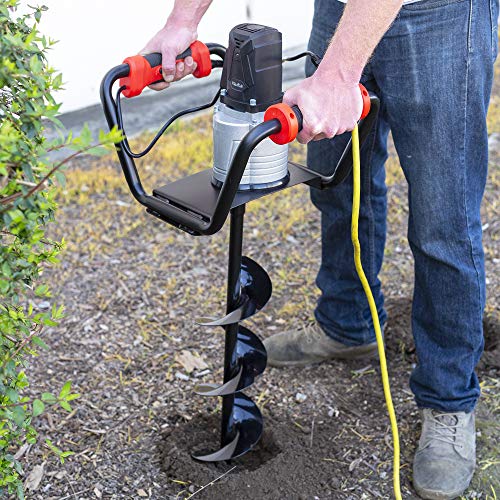
This electric post hole digger is designed for homeowners and professional landscapers who want a straightforward tool for fence posts, decks, and tree planting. It includes a 6″ digging auger bit set and a 3/4″ shaft for enough torque to handle common soil conditions. The safety lock ensures that accidental triggering is minimized for safer operation.
Best for: Light-to-medium planting projects and fence-post installation on level ground. It’s a good fit for users who prefer electric operation and a compact form factor.
Why selected: This model balances power with portability and comes with a durable auger bit set, which is practical for routine planting tasks.
Caution/limitation: It relies on a power outlet; long or remote jobs may require extension cables and careful cord management.
CHALIGHT 52CC Handheld Trencher

This 52cc, gas-powered trenching tool is built for higher-power digging tasks, including root ball excavation and wider transplanting jobs. It delivers up to 6500 RPM and 1500 strikes per minute with 15–45J impact energy. The design includes multiple cooling holes, a muffler, and a removable shovel head for adapting to different work scenarios.
Best for: Moderate-to-heavy digging in gardens and small farms where standing-height operation is valued and fuel management is feasible.
Why selected: It offers robust digging performance and a versatile shovel interchange, making it a good pick for frequent root cutting and transplanting.
Caution/limitation: Gas engines require fuel and maintenance; ensure proper handling and storage in your workspace.
YDOOLNG Gas-Powered Tree Digger

The YDOOLNG gas-powered model delivers high efficiency with a 52cc two-stroke engine producing about 1900W and 6500 RPM. It’s designed for quick and versatile digging work, including transplanting and trenching around trees. The adjustable speed helps tailor performance to different soils.
Best for: Users needing strong digging power for larger root balls or deeper holes without relying on electricity.
Why selected: Strong performance and adjustable speed make it suitable for variable soil conditions and larger planting projects.
Caution/limitation: Gas-powered tools require periodic maintenance and fuel storage considerations.
OCASAMI 52CC Tree Digger

The OCASAMI trench digger uses a 52cc two-stroke engine with high output and 6500 RPM. It emphasizes a durable build with a large fuel tank and an adjustable throttle for different environments. The design supports quick root exposure and soil removal, aiding tree transplanting and post digging.
Best for: Garden and farm tasks where a durable, portable trenching tool is needed for root work and transplanting.
Why selected: The combination of high power, durability, and adjustable speed makes it a reliable choice for frequent digging tasks.
Caution/limitation: Like other gas tools, it requires careful handling and regular maintenance.
Wmpusll Portable Excavator Garden Digger
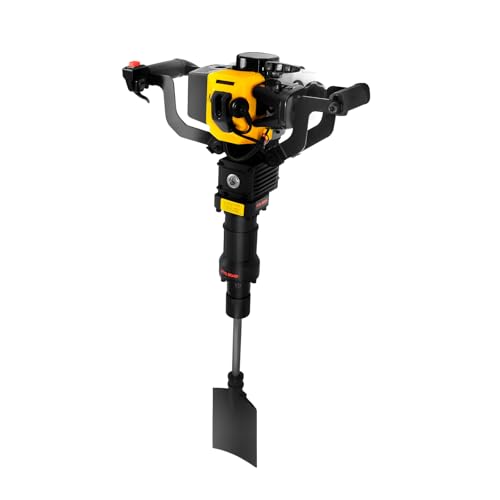
Powered by a 1250W two-stroke engine, this handheld trencher delivers up to 6500 RPM, with up to 1500 hammering actions per minute and 15–45J impact energy. It features a sizable digging shovel and a long reach to help operators stand upright, reducing back strain during planting work.
Best for: Efficient, standing-work digging for small to medium plots and root pruning around trees.
Why selected: The combination of power, reach, and ergonomics makes it well-suited for frequent planting and trenching tasks.
Caution/limitation: Gas tools require ongoing fuel and maintenance; ensure proper safety gear during use.
Buying Guide
- Electric models are quiet and easier to maintain but need a power source. Gas-powered tools offer mobility and raw torque but require fuel, mixed oil, and maintenance.
- Check auger bit dimensions. For trees and small posts, 6″–8″ diameters are common; confirm shaft compatibility with your handle height and posture preferences.
- Lighter units reduce fatigue, while taller, upright designs help avoid bending. Look for padded handles, balance, and vibration dampening.
- Tools with cast steel and reinforced shrouds tend to last longer where soil contains rocks or roots.
- Gas engines require fuel and oil management; electric units depend on outlets or battery life if applicable.
- Safety locks, throttle interlocks, and non-slip handles reduce accident risk on uneven ground.
- Choose brands with accessible spare parts and auger bits to extend tool life.
How to choose by use case
- For beginners and small yards: Electric post hole diggers are easiest to manage and require less upkeep.
- For larger transplanting or root ball removal: Gas-powered trenchers with higher impact energy and bigger shovel buckets work best.
- For standing operation and reduced back strain: Models with long reaches and ergonomic grips are ideal.
Safety tips
- Wear eye protection and sturdy gloves when operating.
- Inspect soil for rocks or buried objects that can damage bits or cause kickback.
- Keep bystanders at a safe distance during operation.
Maintenance checklist
- Clean debris from the auger and housing after use.
- Check drive shafts and bolts for looseness; tighten as needed.
- For gas units, follow the manufacturer’s oil/fuel mix recommendations and store fuel safely.
FAQ
- What size auger is best for planting trees? A 6″ to 8″ auger is common for young tree planting; depth depends on root ball and soil depth.
- Is an electric or gas digger better for a small yard? Electric options are simpler and quieter for small projects, while gas models offer more power for tougher soil or larger root systems.
- Can I use these tools for stone-heavy soil? Heavy rocks may require a more robust unit or alternate digging methods to prevent bit wear or damage.
- Do these tools require assembly? Some come as ready-to-use units; others include interchangeable heads or shovels that may require minor assembly.
- Are safety features standard? Most modern units include safety locks and non-slip grips, but verify on the product page before purchase.
- How do I maintain a two-stroke engine? Follow fuel mix ratios, clean air filters, and perform regular spark plug checks as part of routine maintenance.