If you’re seeking vibrant flowering shrubs that require minimal fuss, you’ve found a smart starting point. This guide highlights five small, low-maintenance options that perform well in American gardens, from sun to partial shade. Each pick targets common buyer needs: compact size for borders or containers, reliable bloom, and simple care. The top contenders include evergreen and deciduous varieties, so you can plan year‑round color. Whether you want continual scarlet blooms, lavender-scented buds, or pollinator-friendly displays, these shrubs offer practical, garden-friendly choices for busy homeowners and urban gardeners alike.
Buyer-friendly summary table:
| Product | Best For | Key Benefit | Limitations |
|---|---|---|---|
| Purple Daydream Loropetalum | Small spaces, containers | Year-round dark foliage with pink blooms | Prefers some sun for best color |
| Butterfly Bush Seeds | Pollinator gardens | Late-summer fragrance and butterflies attractors | Seed-start required; establishment takes time |
| Scarlet Drift Rose | Border and ground cover | Continuous scarlet flowers; easy to grow | Not all regions ship to CA/AZ |
| Red Pixie Lilac | Small gardens and containers | Compact lilac with strong fragrance | Vulnerable to heavy frost in some areas |
| Blue False Indigo (Baptisia) | Naturalized beds | Indigo spikes and year-round texture | Bareroot or may require initial watering |
Purple Daydream Loropetalum — Compact Evergreen Bush

Best for: Small spaces, containers, and color-rich year-round interest. This compact evergreen shrub offers a neat mound growth habit that fits neatly in borders or container gardens. Its dark purple foliage remains vibrant across seasons, providing constant contrast even when flowers aren’t in full bloom.
Why it’s selected: The plant combines compact size with versatile planting—sun or partial shade—making it adaptable to varied garden layouts. The evergreen foliage ensures winter structure, so you don’t lose color in colder months. Its pink spring flowers add a refreshing burst of color early in the season, creating a reliable focal point.
Limitations to note: For best color, provide at least partial sun. In deeper shade, foliage color may be less intense and flowering might be lighter.
Who it’s best for: Homeowners with small patios, entryways, or restricted planting beds who still want year-round color and easy maintenance. It’s also suitable for new gardeners seeking a low-effort evergreen with repeated seasonal flair.
350+ Mix Butterfly Bush Seeds — Low Maintenance Perennial
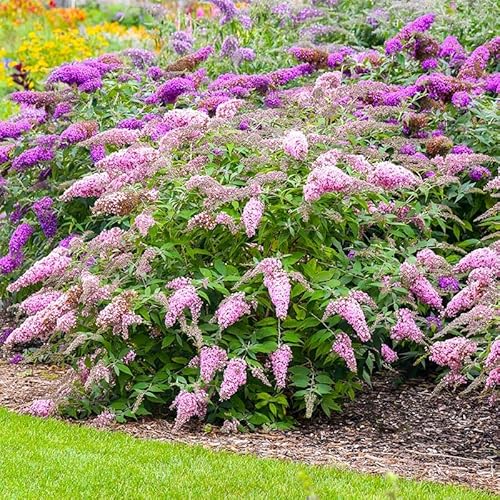
Best for: Pollinator gardens and DIY planters. These seeds grow into flowering shrubs that invite hummingbirds and butterflies and tolerate a range of climates with drought tolerance.
Why it’s selected: The mix focuses on hardy growth across USDA zones 3-9, making it versatile for many American gardens. Seeds are straightforward to plant—sprinkle on moist soil in spring and lightly press. The result is a perennial that can fill borders with tall, fragrant blooms attracting pollinators for months.
Limitations to note: Seeds require proper spring sowing and eventual thinning or spacing to avoid crowding as plants mature. Establishment takes effort and time before bloom returns each season.
Who it’s best for: Gardeners who want a budget-friendly, pollinator-friendly addition and don’t mind starting from seed to achieve a dramatic floral display over multiple seasons.
Perfect Plants Scarlet Drift Rose — Compact Ground Cover Rose

Best for: Border edges and small spaces where a quick, continuous bloom is desired. This rose is described as a compact, ground-cover type that stays manageable in size while delivering abundant red flowers.
Why it’s selected: The Scarlet Drift rose is renowned for early and persistent blooming, making it a reliable seasonal color provider in restricted garden areas. Its compact stature—roughly 1–2 feet tall and up to 2 feet wide—helps maintain tidy borders and container displays without overwhelming the space.
Limitations to note: Shipping restrictions apply to some states. Check local regulations before ordering to ensure it can be planted in your area.
Who it’s best for: Gardeners seeking a low-maintenance rose alternative for small landscapes, with the appeal of continuous blooms and a manageable footprint.
Red Pixie Lilac Shrub — Fragrant Compact Lilac

Best for: Small gardens, patios, and container plantings where fragrance and a distinct bloom color are prioritized. The Red Pixie Lilac offers a compact form with a strong floral presence.
Why it’s selected: It stands out for its rare pinkish-red blooms and dense, compact growth—ideal for tight spaces. The lilac scent adds an aromatic layer to outdoor living areas and can attract butterflies and bees, boosting pollinator activity nearby.
Limitations to note: Lilacs can be sensitive to extreme winter conditions in some regions; ensure winter protection if you’re in colder zones. Regular pruning helps maintain shape and promote reblooming.
Who it’s best for: Homeowners with small yards or container setups who want a fragrant focal plant that can double as a scent-enhancing feature in outdoor entertaining spaces.
5 Blue False Indigo Bushes — Baptisia Australis

Best for: Naturalized beds, borders, and low-maintenance landscapes that benefit from vertical accents and seasonal interest. These bareroot plants are sold in clusters and settle into a garden shade or sun mix well.
Why it’s selected: Blue False Indigo produces striking indigo-blue flower spikes in spring, creating a bold focal point. The foliage remains textural throughout the season, with interesting seed pods adding visual interest in fall and winter. It’s a robust choice for gardeners wanting a perennial shrub with architectural appeal.
Limitations to note: As a bareroot or starter option, establishment may require steady moisture and a bit of patience as roots take hold. It is best rooted in well-drained soil and sunny to partly sunny positions.
Who it’s best for: Gardeners who prefer tall, dramatic blooms and are building gardens with vertical structure. It’s also suitable for naturalized landscapes that aim for minimal maintenance after establishment.
Buying Guide: Key Considerations For Low Maintenance Flowering Bushes
What climate and soil are best for these shrubs?
- Choose plants that tolerate your USDA hardiness zone and soil type. For example, butterfly bush seeds are versatile across zones 3-9, while some lilacs may need protection in very cold winters.
- Most compact flowering shrubs prefer well-drained soil. If your soil is heavy or clay-like, amend with compost or consider raised beds or containers.
How important is size and growth habit?
- Compact shrubs (like the Loropetalum and Scarlet Drift Rose) suit borders, small yards, or container gardens and reduce pruning time.
- Vertical or upright species (such as Baptisia) provide structure without crowding low-growing perennials.
Maintenance expectations: pruning, feeding, and water
- Most low-maintenance shrubs benefit from light seasonal pruning to maintain shape and encourage flowering. Avoid heavy pruning that can reduce bloom next season.
- Water deeply after planting and during extended dry spells, especially for container-grown specimens.
Which features matter most to buyers?
- Bloom timing and color consistency across seasons for visual impact.
- Foliage color and texture to complement other garden plants year-round.
- Pollinator attraction if you’re designing a wildlife-friendly garden.
Placement and landscape design tips
- Match sun exposure to plant needs: some thrive in full sun, others in partial shade. Group plants with similar needs to simplify maintenance.
- Use evergreen options near entrances for year-round interest, and deciduous varieties where seasonal color changes can be showcased.
FAQ
- Are these shrubs truly low maintenance? Yes, all selected varieties are known for straightforward care, modest pruning, and reliable blooms in suitable climates.
- Can I plant these in containers? Several options, including Loropetalum and the Scarlet Drift Rose, do well in containers with proper drainage.
- Will these attract pollinators? Yes, several selections (like Butterfly Bush and Red Pixie Lilac) are pollinator-friendly and can increase garden biodiversity.
- Do they require special soil amendments? In general, well-drained soil with organic matter is sufficient; adjust watering practices to your climate and soil texture.
- What if I’m in CA or AZ? Some items have shipping or regulatory restrictions; always check local regulations before ordering.
- How long before I see blooms? Perennials like Baptisia and Butterfly Bush may take a season to establish before heavy blooming; some evergreens provide color year-round.