Protecting plants from excessive sun while maintaining airflow is key to healthy growth. The following shade cloths, tents, and plant umbrellas offer varied shading rates, materials, and installation options to fit gardens, raised beds, and greenhouses. This guide highlights objective specs and practical use to help American gardeners choose the right shade protection for sunny seasons and seasons of intense light.
| Product | Shade Rating | Best For |
|---|---|---|
| Cool Area Sunblock Shade Cloth (55%) | 55% | General garden protection, UV shield, direct watering |
| CIEOVO Garden Shade Tent | Not specified (shade tent) | Raised beds, transplant protection, wind stability |
| FOTSHARER Garden Shade Cloth Kit (75%) | 75% | High sun and heat protection for vegetable and flower beds |
| HOMEYA Plant Umbrellas (25″ canopy) | 85-90% UV block (canopy) | Small pots and seedling protection, flexible sizing |
| Vocray 40% Shade Cloth | 40% | Greenhouse, garden, and patio shading with good airflow |
Cool Area Sunblock Shade Cloth Cover

Product details emphasize a 55% sun block with UV protection. Constructed from new HDPE material, it highlights a 2-3 year service life, tear resistance, high-temperature tolerance, and a glossy, odorless finish. The design focuses on easy installation with a special woven hole pattern and ensures air and water permeability, allowing watering without hindering photosynthesis. This balance helps keep soil conditions stable while shielding plants from intense sun.
CIEOVO Shade Tent For Raised Beds

This product offers two pack shelter ideas for raised garden beds. It uses high-quality polyethylene and includes stakes to secure the cover to the ground, reducing wind displacement. While it is a shade tent rather than a fixed cloth, its foldable design supports quick deployment and storage. It’s particularly suitable for sun-sensitive crops in summer and can be reused seasonally with simple setup.
FOTSHARER 78.7″ x 59″ Shade Cloth Kit
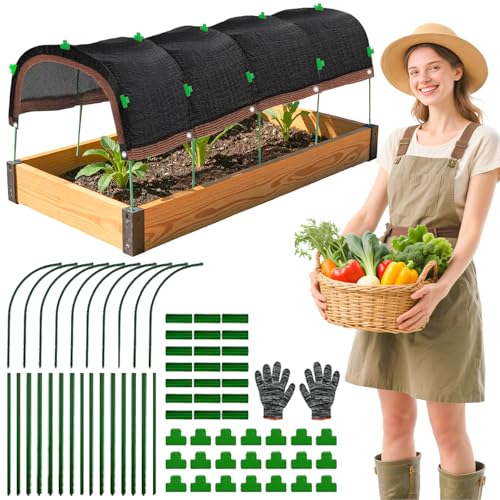
This kit includes a large shade cloth, garden hoops, and connectors designed for versatility in raised beds. The 75% shading rate provides substantial sun protection, while the durable HDPE material resists tearing. The bundled hoops enable flexible configurations to suit different bed shapes, and the reinforced seams with metal grommets improve longevity in outdoor conditions.
HOMEYA 3 Pack Plant Umbrellas For Outdoor Plants

These 3-segment plant umbrellas extend up to 39 inches, offering a flexible canopy for seedlings through mature shrubs. The 25″ canopy shields leaves and soil across multiple pots or a single large plant, adapting to plant size. The fabric is a UV-protective, silver-coated polyester, providing high UV blockage (85-90%) while remaining waterproof and breathable. Rust-proof ribs and poles ensure stable performance in windy conditions.
Vocray 40% Shade Cloth For Plants

Vocray offers a 40% shade cloth designed for greenhouse and garden use. The breathable HDPE mesh allows airflow while reducing sun exposure, supporting cooling and moisture management. The product emphasizes UV, heat, water, and weather resistance with reinforced edges and durable grommets every 20 inches, making it suitable for long-term outdoor deployment.
Buying Guide: Key Purchase Considerations
- Shading rate: Determine the level of sun protection you need. Lighter cloths (30-50%) suit temperate climates or partial shade, whereas higher rates (60-75%) protect sun-sensitive crops in peak heat.
- Material and durability: Look for high-density polyethylene (HDPE) or UV-stabilized fabrics. Check for tear resistance, reinforced seams, and weather resistance for longevity.
- Airflow and water permeability: Ensure the cloth allows air and water to pass so plants can transpire and be watered without overheating or waterlogging the soil.
- Installation method: Consider whether you prefer fixed cloths, tents, or reusable hoop systems. Hoops and grommets simplify setup and storage, especially for raised beds.
- Size and coverage: Measure the area to protect. Larger cloths or multiple panels may be needed for rows, raised beds, or entire bed sections.
- Portability and seasonal use: Foldable tents or easily removable fabrics offer flexibility for seasonal transitions and storage in off-peak seasons.
- Wind resistance: In windy regions, secure mounting options (stakes, grommets, or hoops) reduce risk of cloth detachment or damage.
- Maintenance: Check whether the fabric is machine-washable or easy to clean, and look for materials that resist mold or mildew.
- Cost versus longevity: Greater upfront investment may yield longer service life and better returns over multiple growing seasons.
- Compatibility with irrigation: Prefer breathable fabrics that allow sprinklers or hoses to reach plant roots without removal of the shade cover.
For gardeners, choosing shade protection involves balancing light reduction, airflow, and ease of use. Shade cloths with higher percentages provide stronger sun protection but may reduce photosynthesis if placed during critical growth periods. Tents and umbrellas offer portable options for targeted protection, while fixed cloths work well for permanent garden beds. Consider climate, plant type, and maintenance capabilities to select the most suitable solution.