Discover reliable self-watering systems designed to keep potted plants healthy while saving time and water. This guide highlights five effective options, from cycle-and-soak drip setups to glass globe irrigation and gravity-fed reservoirs. Each pick is evaluated by ease of use, capacity, and suitability for homes, offices, and grow tents.
| Product | Brand | Key Benefit |
|---|---|---|
| RAINPOINT Large Display Automatic Plant Waterer Indoor | RAINPOINT | Cycle & Soak mode for thorough soil saturation |
| Automatic Plant Waterer Indoor Self Watering System for 15 Pots | beday | Programmed watering across multiple pots |
| Blumat Classic Self-Watering Stakes | Blumat | Ceramic-siphon design for steady hydration |
| Iridescent Self Watering Globes | PlanKKers | Vacation-ready, glass globe irrigation |
| MOONSOUND Self Watering Globes | MOONSOUND | Multiple bulbs for extended coverage |
The following selections cover a range of gardening setups, from compact indoor arrangements to larger groups of pots. Each product section includes a concise description, notable features, and practical considerations to help you compare and choose the best fit for your plants and routine.
RAINPOINT Cycle & Soak Automatic Waterer
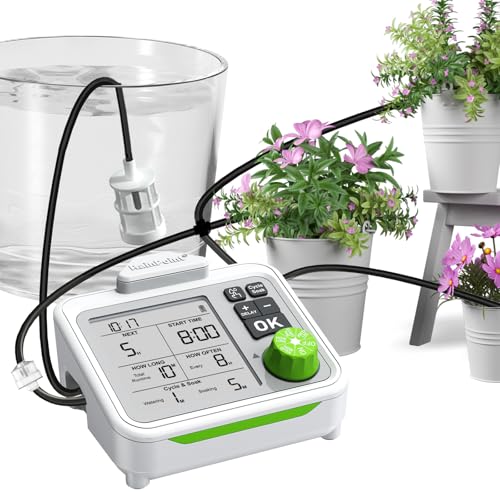
RAINPOINT’s large-display system offers a Cycle & Soak setting that divides irrigation into shorter cycles with soak periods. This method aims to improve soil saturation while reducing water use by up to 30% and potentially boosting plant vitality. Users can choose water duration beyond two minutes for continuous watering or continue with cycle-and-soak as needed. The device suits larger indoor setups and can handle optimal coverage for 10–15 plants when configured properly.
Key considerations: Cycle & Soak provides efficiency, but it may require initial calibration to match plant types and pot sizes. The device supports flexible timing, from several hours to days, and includes a manual option to water temporarily without disrupting the schedule. It is best for households seeking a programmable, automated approach with energy-conscious performance.
Automatic Plant Waterer Indoor Self Watering System for 15 Pots

This system is described as Butler-grade irrigation capable of tending up to 15 pots. It emphasizes stability and strong water pressure to distribute moisture evenly, helping maintain a thriving indoor garden while the user is away. The programmable timer creates a dependable routine, reducing daily intervention. Its multi-pot reach makes it suitable for medium to large collections, including office spaces, studios, or grow tents where consistent hydration across many plants is essential.
Key considerations: Capacity and reliability are primary strengths. Users should plan for an initial setup that aligns with their pot layout and water source. The system is designed to be low-maintenance once programmed, though monitoring soil moisture in the first weeks can help fine-tune timings and avoid overwatering in very dense plant clusters.
Blumat Classic Self-Watering Stakes
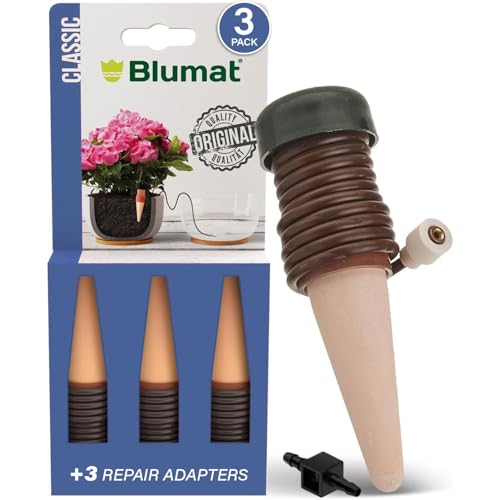
The Blumat Classic uses a siphon-based ceramic cone that draws water to plant roots. This self-watering stake system offers flexible layout options with adapters to shorten or extend lines. The stakes function as planter inserts, making them suitable for a wide range of indoor and outdoor plants. The design emphasizes consistent hydration through a natural capillary mechanism, giving gardeners a low-profile, adjustable solution for diverse plantings.
Key considerations: The siphon-based approach provides steady moisture delivery but requires careful positioning to ensure reliable water supply. It is especially appealing to users who prefer discrete, minimal hardware that integrates with existing planters and soils while delivering reliable hydration over time.
Iridescent Self Watering Globes

These glass watering globes provide a simple, vacation-friendly hydration method. They release water gradually into the soil, ensuring indoor plants receive a steady supply while homeowners are away. The iridescent finish adds a decorative touch that can complement modern planters. Each globe acts as an automatic water source, reducing the risk of missed watering during busy periods.
Key considerations: Globe-based systems are easy to use but rely on soil moisture and plant type to determine refill frequency. They are best for small-to-medium plants or clusters where uniform moisture is beneficial and where a decorative element is desired alongside irrigation.
MOONSOUND Self Watering Globes – 10 Pack
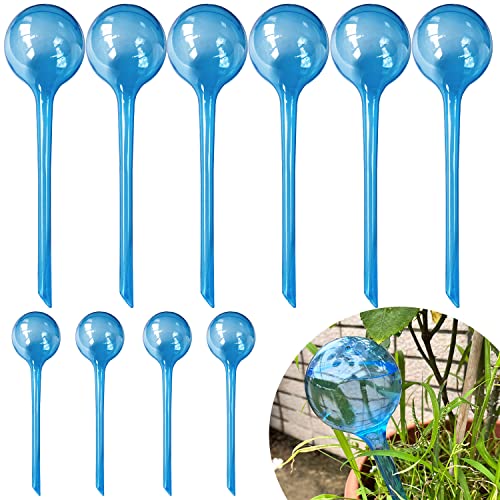
MOONSOUND offers a 10-pack of automatic watering bulbs designed for both indoor and outdoor use. These globes provide continuous moisture to plant roots and support water conservation by delivering water directly where it matters. The system is well-suited for vacation setups or regular use in multi-plant arrangements, where reliable, low-maintenance hydration is valued. The range of bulbs allows planning for different pot sizes and plant water needs.
Key considerations: Globe sets are convenient for varied plant sizes, but users should monitor for potential overwatering in very wet soils. Pairing with a moisture meter can help optimize usage and prevent soggy roots, especially in dense or poorly drained pots.
Buying Guide: Key Purchase Considerations and Comparisons
- Plant count and layout: For larger collections, gravity-fed or multi-pot programmable systems cover more plants with less manual input. Smaller setups benefit from compact stakes or globe solutions.
- Water source and refill frequency: Assess reservoir size and refill convenience. A larger reservoir reduces maintenance but may require heavier setup and space, while smaller options offer portability and quick adjustments.
- Moisture control: Systems with cycle-and-soak or wick-based delivery help prevent overwatering, especially in clay-heavy soils. For tender seedlings, precise, slower delivery is beneficial.
- Maintenance and reliability: Look for easy setup and straightforward maintenance. Ceramic cones, terracotta bulbs, and glass globes have different durability profiles—choose based on environmental exposure (sun, heat, humidity).
- Aesthetics and integration: Some devices sit visibly as decor (globe systems), while others are buried or tucked into soil. Consider whether the appearance matters in your space (home, office, or grow tent).
- Power and water considerations: Gravity-fed and passive systems require no electricity, while programmable timers can offer more precise schedules at the cost of a power source and setup complexity.
- Adaptability: If you rotate pots seasonally or add new plants, select a system with scalable capacity and flexible adapters to reconfigure layouts without major overhauls.
These options present a spectrum of self-watering solutions, from hands-off globes to fully programmable irrigation for many pots. When selecting a system, weigh the balance between automation level, reservoir size, plant type, and the space available. For best results, pair any irrigation device with soil moisture monitoring and routine plant care to maintain plant health over time.