Growing self-pollinating dwarf cherry trees makes a delicious, low-maintenance fruiting project possible for limited spaces. This guide highlights five Amazon offerings that emphasize compact size, reliable yields, and the convenience of self-pollination (where stated). Each option is suitable for small yards, patios with planters, or urban plots, with varied flavor profiles from sweet to juicy and bold. Review features, shipping notes, and hardiness considerations to choose the right tree for your climate and soil.
| Product | Brand | Key Benefit |
|---|---|---|
| Juliet Dwarf Cherry Tree | GURNEY’S | Small, productive dwarf with large, meaty, deep-red cherries; shipping as jumbo bare root |
| Stella Semi-Dwarf Cherry Tree | American Plant Exchange | Self-pollinating, compact size, high-yield, cold hardy |
| Rainier Sweet Cherry | American Plant Exchange | Large, golden-yellow cherries with red blush; reliable, mid-season harvest |
| Romeo Dwarf Cherry Tree | GURNEY’S | Juicy, sweet cherries; dwarf, well-suited for small spaces |
| 2 Black Cherry Trees (Dwarf-ish Seedlings) | AKTRD / CZ Grain | Two seedlings for double planting; traditional dark cherry flavor in small forms |
GURNEY’S Juliet Dwarf Cherry Tree

The Juliet dwarf cherry offers notably sweet, meatier cherries with a rich flavor profile, making it a popular choice for home orchards. It grows up to about 8 feet tall in the ground and can yield up to 25 pounds of fruit per plant. The plant is described as the sweetest among the brand’s dwarf cherry lineup, suitable for fresh eating, baking, jams, and ice cream. Note that shipping restrictions apply to certain states, so verify local regulations before ordering.
Key features include: high-caliber sweetness, large, deep-red cherries, and a substantial fruit yield for a dwarf tree. It is ideal for those seeking robust flavor in a compact tree form, with versatility in culinary uses from pies to preserves.
GURNEY’S Romeo Dwarf Cherry Tree

Romeo is described as a high-quality cherry for juicing, delivering glossy, deep crimson fruit with high sugar content. It is notably cold hardy, tolerating extreme temperatures down to -45F, and features a favorable flesh-to-pit ratio that enhances meatiness. As a dwarf variety, Romeo fits well into small yards and container setups, offering dependable harvests with vigorous sweetness when fully ripe. Plan for proper chill hours based on your climate to maximize production.
American Plant Exchange Stella Cherry Tree

Stella is described as a self-pollinating, semi-dwarf cherry that produces large, deep red cherries with a sweet flavor and firm texture. It is cold hardy and compact, suited for zones 5-8 and reaching a manageable height for small orchards and backyard gardens. The self-pollinating trait makes Stella particularly attractive for solo plantings or as part of a small cherry cluster to ensure reliable yields without needing a second cherry variety in the vicinity.
CZ Grain Black Cherry Seedling
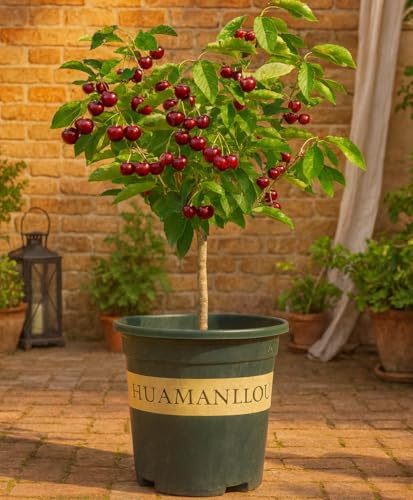
This option focuses on red-black fruit with classic cherry qualities. It presents as a black cherry seedling suitable for home planting. Seedlings arrive ready to plant and provide an entry point into fruit tree cultivation in smaller spaces. Consider ongoing pruning and appropriate sunlight exposure to encourage robust growth and eventual fruiting in the long term.
CZ Grain Black Cherry Seedling Pair

Two live black cherry seedlings provide an option for planting a small row or a companion pair in a garden bed. They arrive as ready-to-plant stock and can form the backbone of a future harvest with careful pruning and care. Expect late-summer or early-summer harvests once trees reach fruiting maturity, depending on climate and care.
AKTRD Black Cherry Trees (Two Live Plants)

Two bareroot black cherry trees deliver a practical option for households seeking multiple fruiting trees in compact spaces. These trees are described as sweet cherry plants with a late-June ripening timeline, making them a reliable late-spring to early-summer harvest. Planting two adjacent trees can support cross-pollination, though self-pollination is not consistently stated for all stock. Manage soil, irrigation, and sun exposure to optimize yields in years after establishment.
Buying Guide: Key Purchase Considerations
- Pollination requirements: If a variety is explicitly self-pollinating, it reduces the need for a second compatible cherry tree. Some varieties are semi-dwarf and may still benefit from cross-pollination for maximum yields in certain climates.
- Hardiness zones: Check the stated zones (e.g., Zones 5-8) to ensure compatibility with your region’s winter temperatures and growing season length.
- Container vs. ground planting: Dwarf and semi-dwarf trees are often suitable for containers or small beds. Confirm root type (bare-root vs. potted) and size at shipping to plan space and care.
- Soil and sunlight: Most cherry trees require full sun and well-draining soil. Amend soil with organic matter and ensure consistent moisture without waterlogging.
- Fruit quality and flavor: Cherries range from sweet to tart and differ in flesh-to-pit ratios. Consider intended use (fresh eating, baking, preserving) when selecting a variety.
- Shipping restrictions: Some listings indicate state-specific shipping limits. Verify local availability and any restrictions before purchase.
- Care and maintenance: Pruning, annual feeding, and pest management influence fruit yield and tree health. Review care guides provided by sellers for handling and winter protection.