Grow a vibrant, pollinator-friendly landscape with a curated selection of flowering seeds. This guide highlights five top choices that are easy to grow, beginner-friendly, and well-suited for borders, containers, and open beds. Each entry includes essential features to help you compare germination, bloom time, and garden performance. Whether you want bold zinnias, fragrant lavender, hummingbird-friendly mixes, or bright petunias, these seeds offer reliable germination and long-lasting color for a stunning outdoor display.
| Product | Why It Stands Out | Ideal For |
|---|---|---|
| HOME GROWN Zinnia Dahlia Seeds Pack | Large pack, high germination, double blooms, striking color range | Borders, containers, focal garden specimens |
| 25 Slightly Assorted Flower Seed Packets | Budget-friendly variety mix, 25 packets, non-GMO | Mixed borders, patchy planting, background color |
| 5000+ Petunia Seeds – Mixed Rainbow | Vivid rainbow mix, dense flowering, bee-friendly | Containers, hanging baskets, borders |
| Seed Needs Flower Seeds Hummingbird and Butterfly Mix | Pollinator-focused mix, diverse annuals & perennials | Pollinator garden, wildflower patches |
| HOME GROWN Non GMO English Lavender Seeds | Cold stratification required, culinary and decorative uses | Fragrant borders, kitchen gardens, herb shows |
Note: All selections are non-GMO where stated and are intended for American gardens seeking color, fragrance, and wildlife benefits. Germination rates and bloom times vary with climate, soil, and care. Always follow seed packaging directions for best results.
Zinnia Dahlia Seeds Pack For 2026
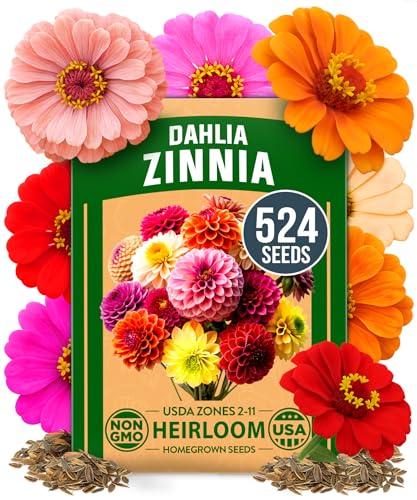
The HOME GROWN Zinnia Dahlia Seeds Pack includes 524 premium seeds designed for fast growth and bold color. This variety produces large, double blooms in red, pink, orange, white, and more. The seeds are described as beginner-friendly, making them a practical choice for first-time seed sowers and experienced gardeners alike. Zinnia Dahlia is celebrated for its near-geometric, plush petals and dramatic presence in borders, containers, and cut flower arrangements. Expect a showy landscape that draws in pollinators throughout the summer. The pack is designed to deliver reliable germination and strong early growth, enabling quick garden impact.
Features include a high-germination rate, multiple color options, and blooms that last well into late summer. Gardeners should plant in full sun with well-drained soil. Regular deadheading can extend flowering. This seed set is suitable for creating focal points, mass plantings, or mixed borders with complementary perennials and annuals.
25 Slightly Assorted Flower Seed Packets
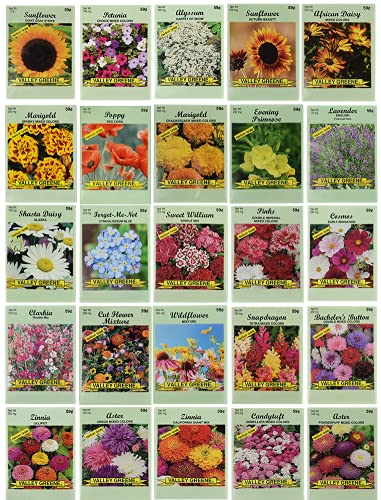
This assortment from Black Duck Brand bundles 25 packets of assorted flowers, designed to fill large garden areas with color and variety. The seeds are 100% non-GMO, offering a broad mix of shapes, sizes, and bloom periods. The packets are ideal for creating layered borders or patchy beds that transition from spring through summer. Gardeners can experiment with different combinations, handling soil preparation, sowing depth, and spacing to achieve dense color patches. This option balances cost with diversity and is suitable for gardeners building a pollinator-friendly landscape over time.
Care tips include starting indoors for early blooms or direct sowing in prepared beds after frost. Because of the variety, germination times may vary among species, so plan staggered planting to maintain continuous color.
5000+ Petunia Seeds – Mixed Rainbow

These mixed rainbow petunia seeds by The Lucky Stars offer a vibrant palette of red, rose, pink, violet, yellow, orange, white, and lavender. Petunias are known for prolific blooming and versatility—they perform well in containers, hanging baskets, and garden beds. The seeds are described as open-pollinated, non-GMO, and suitable for both indoor starting and outdoor transplanting after frost. Petunias attract bees and butterflies, contributing to a pollinator-friendly landscape. Height and spread depend on the cultivar, but many varieties produce cascading growth perfect for vertical interest or trailing over container edges.
For best results, sow indoors in bright light 8-10 weeks before the last frost, or direct sow after danger of frost in well-drained soil. Water consistently and provide ample light to maximize flowering potential throughout the growing season.
Seed Needs Flower Seeds Hummingbird Mix

The Seed Needs Hummingbird and Butterfly Seed Mix offers 23 varieties designed to attract pollinators. The mix includes annual and perennial species that produce red, orange, yellow, blue, pink, and purple blooms. This bulk-style package emphasizes diversity, helping create a robust pollinator corridor in your garden. The mix is described as a premium, filler-free option with no unnecessary additives, making it a practical choice for gardeners prioritizing ecological benefits alongside beauty.
Growing guidance highlights sowing on prepared soil, keeping the bed well-watered while seeds germinate, and providing full sun where possible. Since different species have varying germination timelines, plan for ongoing succession planting to maintain continuous color and nectar sources for pollinators across seasons.
HOME GROWN Lavender Seeds

HOME GROWN English Lavender seeds provide a high-germination option for establishing a fragrant lavender bed or edging. The package notes require cold stratification—store seeds in a damp medium in the fridge for 30 days before sowing to unlock full germination potential. Lavender thrives in full sun with well-drained soil and is a popular choice for kitchen gardens and borders alike. The seeds are non-GMO with a large count (over 1,500), supporting multiple plantings. Lavender blooms bring a soft purple-hued presence and a calming aroma to landscapes, and the edible uses add culinary versatility to the garden program.
Recommended care includes light sowing depth, adequate spacing for air circulation, and regular pruning after flowering to encourage dense growth and more prolific next-season blooms.
Buying Guide: Key Purchase Considerations
- Pollinator compatibility: Choose seed mixes that include nectar-rich flowers known to attract bees, butterflies, and hummingbirds. Look for terms like “pollinator mix” or “wildflower blend.”
- Cultivation requirements: Note whether seeds require cold stratification, indoor starting, or direct sowing outdoors. Temperature and light needs influence germination success and timing.
- Bloom duration and color: If you want continuous color, select varieties with staggered bloom times and a diverse palette. Consider container-friendly options like petunias and zinnias for flexible scheduling.
- Soil and sun: Most flowering seeds perform best in well-drained soil with full sun to partial shade. Address soil quality with compost or organic amendments prior to sowing.
- Germination rates: Higher germination rates help ensure a quicker garden payoff. Check seed counts per packet and look for reputable, non-GMO sources if that aligns with your preferences.
- Maintenance: Plants like zinnias and petunias benefit from deadheading to extend flowering. Lavender requires cold stratification and well-drained soil but yields long-lasting fragrance and color.
- Garden layout: Plan for height variation, color coordination, and pollinator corridors. Tall varieties at the back and compact forms at the front create a balanced, accessible design.
When selecting seeds for a pollinator-friendly garden, consider mixing annuals for immediate impact with perennials and woody herbs for lasting structure. This approach yields a beautiful, dynamic landscape that supports local wildlife while maintaining ongoing color from spring through autumn.