Choosing the right seeds is the first step to growing reliable plants for natural dyes. This guide highlights five dye-friendly seeds that perform well in American gardens, from indigo to yarrow and amaranth. Each section provides a quick product snapshot, growing notes, and dye-related uses to help hobbyists and small-scale dyers compare options at a glance.
| Product | Brand | Seed Type | Key Dye Use |
|---|---|---|---|
| Plant Good Seed Japanese Indigo Seeds | Plant Good Seed Store | Indigo Seeds | Blue-Green Indigo Dyes |
| Yarrow Seeds for Planting | SURVIVAL GARDEN SEEDS Store | White Yarrow | Natural Dye & Medicinal Uses |
| True Indigo Indigofera Tinctoria | Seeds | Indigofera Tinctoria | Classic Indigo Dye |
| Organic Hopi Red Dye Amaranth Seeds | N/A | Amaranth | Natural Dye; Edible & Ornamental |
| Indigofera Tinctoria Pink Purple Seed Pack | Unknown | Indigofera Tinctoria | Indigo Dye; Flower Color |
Japanese Indigo seeds for dye production

Plant Good Seed Store offers Japanese Indigo seeds aimed at dye use. The packet contains a minimum of 200 seeds and emphasizes easy growth and harvest. Indigo leaves can be used fresh or dried, then crushed for extraction or powder processing. While the plant can overwinter in some zones, many growers treat it as an annual for practical purposes. The seed is non-GMO, heirloom, untreated, and open-pollinated, with germination tested for viability to support reliable results in home gardens.
White Yarrow seeds for dye and pollinators

SURVIVAL GARDEN SEEDS Store markets white yarrow as a dye herb and pollinator-friendly perennial. Yarrow is valued for both craft dye applications and traditional medicinal uses, with blooms that attract butterflies and bees. As a dye plant, the white flowers can provide natural coloration in crafts when combined with other plant materials. Yarrow is easy to grow from heirloom seeds and can serve as a centerpiece in a pollinator garden while offering practical dye capabilities.
True Indigo Indigofera Tinctoria premium seeds

Indigofera tinctoria is the classic source of natural indigo dye. The True Indigo variety emphasizes heirloom quality seeds and options for dye production, with potential for evergreen-like performance in warm climates. Dyers can expect blue-green dye yields with proper leaf processing, including fermentation or fermentation-free extraction methods. The seeds are marketed as heirloom and non-GMO, aligning with traditional dye garden practices and open-pollination benefits.
Organic Hopi Red Dye Amaranth Seeds
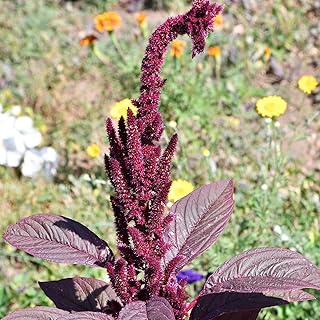
Amaranth seeds labeled for Hopi red dye highlight multi-use plants that can grow tall and yield dye-worthy pigments. In addition to dye potential, the plant provides edible greens and ornamental appeal. The seeds are non-GMO and offered in a form that supports both traditional dye methods and contemporary craft applications. Amaranth can reach several feet in height, making it a dramatic addition to a dye garden and a source of varied pigment tones.
Indigo Indigofera Tinctoria True Indigo Seeds Pack

This seed pack presents Indigofera tinctoria with a focus on true indigo dye production. Plant height and spacing guidance helps plan a dye garden that optimizes leaf yield for extraction. The product description notes the pink to purple flowers on sub-shrub forms, providing additional ornamental value while contributing to dye material. Proper sowing after frost and indoor starting options align with typical temperate garden timelines, allowing earlier dye harvests in some regions.
Buying Guide: Key Purchase Considerations
- Dye potential and plant biology: Indigofera species require leaf extraction and processing; amaranth and yarrow offer broader dye options, including pigments in leaves or flowers.
- Growing requirements: Consider climate zones, frost dates, and whether you’ll treat perennials as seasonally annuals for dye harvest cycles.
- Seed origin and quality: Look for non-GMO, heirloom, untreated, and open-pollinated seeds when possible to maintain genetic stability for dye properties.
- Harvest planning: Indigo leaves, yarrow blooms, and amaranth pigments have different optimum harvest times; plan staggered sowing for a steady dye supply.
- Multi-use plants: Some options offer edible greens or ornamental value beyond dye, increasing garden versatility.
- Craft dye processes: Indigo extraction typically involves fermentation or oxidation steps; ensure you have the necessary tools and safety knowledge.
- Pollinator benefits: Flowers like yarrow support pollinators, aligning dye gardening with ecological considerations.
The picks above focus on reliable dye potential, ease of growth, and compatibility with American backyard growing conditions. By combining indigo sources with supportive dye plants such as yarrow and amaranth, gardeners can build a small dye garden that provides multiple pigment options across seasons.