A butterfly-friendly garden starts with the right seeds. This guide highlights five top seed collections designed to attract monarchs, bees, and other pollinators while delivering continuous color through the growing season. Each option emphasizes milkweed or nectar-rich wildflowers that monarchs rely on for breeding and feeding. Read on to compare varieties, germination notes, and what makes each pack a solid choice for a healthy, biodiverse yard.
| Product | Type | Key Benefit |
|---|---|---|
| Seed Needs Milkweed Seeds | Milkweed Collection | Monarch-friendly, multi-pack variety |
| HOME GROWN Monarch Wildflower Mix | Wildflower Seed Mix | Season-long color and biodiversity |
| Camás Pollinator Seed Mix | Milkweed + Wildflower Mix | Pollinator-focused, with cold stratification guidance |
| Gardeners Basics Milkweed Pack | Milkweed Seed Variety Pack | Four distinct milkweed varieties |
| Sereniseed Butterfly Wildflower Mix | Wildflower Mix | Non-GMO, open-pollinated, fresh for germination |
Seed Needs Milkweed Seeds Variety Pack
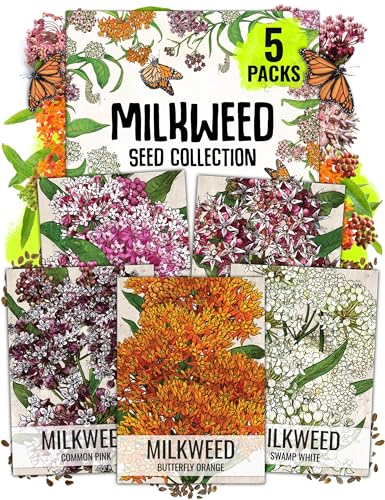
The Seed Needs collection focuses on milkweed species essential for monarch butterfly reproduction. This five-pack includes Showy Milkweed, Pink Swamp Milkweed, White Swamp Milkweed, Orange Butterfly Milkweed, and Common Milkweed. Milkweed flowers produce nectar that attracts pollinators, and the foliage supports monarch caterpillars. This package supports ecological functions by providing multiple species adapted to various garden conditions, encouraging biodiversity and ongoing monarch health in your landscape.
HOME GROWN Premium Monarch Butterfly Wildflower Mix

HOME GROWN’s mix delivers over 20,000 wildflower seeds designed to create a vibrant, pollinator-friendly meadow. The blend includes nectar-rich flowers alongside milkweed varieties to support monarchs and other pollinators across the season. It’s described as easy to grow, with a germination window around 7–14 days and a strategy suitable for beginners and seasoned gardeners alike. Expect a dynamic display of oranges, purples, yellows, and whites that sustain pollinators from spring through fall.
Wildflower Seeds Bulk – 80,000+ Seeds (Butterfly & Hummingbird Mix)

This bulk mix from Mountain Valley Seed Company offers 23 non-GMO varieties designed to attract butterflies, hummingbirds, and bees. The collection includes butterfly milkweed seeds among a broader repertoire such as Cosmos, Zinnia, and Foxglove. With 80,000+ seeds, the assortment covers a large area and supports long-term pollinator habitats. It’s positioned for easy sowing—throw and grow—making it suitable for larger gardens, farms, or community plots seeking sustained bloom cycles.
Monarch Butterfly Garden Kit With Milkweed Seeds

This Monarch-focused kit combines milkweed seeds with perennial wildflowers, designed to create a robust habitat for monarchs and pollinators across seasons. The seed mix emphasizes cold stratification needs and includes a free e-book to guide cultivation, planting strategies, and monarch waystation registration. Gardeners can establish a direct resource for monarch caterpillars and adult butterflies while fostering local biodiversity through carefully selected annuals and perennials.
Gardeners Basics Milkweed Seeds (4 Variety Pack)
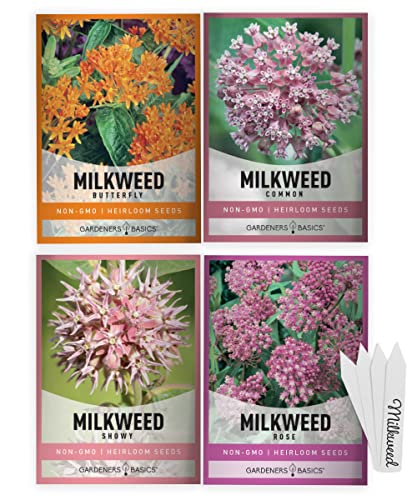
The Gardeners Basics four-variety milkweed pack provides common, showy, butterfly, and rose milkweed varieties. This assortment supports monarch life stages by offering diverse growth habits and flowering periods, helping to ensure a more reliable nectar source and larval host plants within a backyard or medium-sized garden. The emphasis is on pollinator-friendly choices that also contribute to the aesthetics of a welcoming butterfly garden.
Sereniseed Butterfly Wildflower Mix Seeds

Sereniseed’s butterfly wildflower mix offers 2 oz of open-pollinated, non-GMO seeds designed to attract a spectrum of pollinators. Stored in controlled conditions to maximize germination, these seeds aim to deliver reliable bloom, supporting butterflies, bees, and other beneficial insects. The mix is positioned as a practical option for gardeners seeking a straightforward, biodiverse addition to beds or borders that host monarchs and other pollinators.
Buying Guide: Key Purchase Considerations
When selecting seeds for a butterfly garden, consider these factors to maximize success and ecological value:
- Monarch host plants: Prioritize milkweed species (Asclepias) to support monarch larvae and nectar plants to sustain adults.
- Bloom timing and diversity: Choose mixes with a mix of annuals and perennials to ensure color and nectar across the growing season.
- Germination and care: Look for seeds that offer clear germination guidance and beginner-friendly sowing instructions. Cold stratification notes can improve success for some milkweeds.
- Climate compatibility: Select varieties suited to your USDA hardiness zone and local sun/shade conditions.
- Garden size and layout: Larger plots can benefit from bulk wildflower mixes, while smaller spaces may be better served by targeted seed packs with focused host plants.
- Pollinator support: Combine nectar sources with host plants to create a complete habitat for monarchs, bees, and hummingbirds.
- Open-pollinated and non-GMO: If you prefer seed diversity and adaptability, prioritize open-pollinated and non-GMO options.
Pool Of Options: Making The Right Choice
For a monarch-focused approach, milkweed is essential, and the included varieties help cover different garden conditions. If you want a broader pollinator habitat, wildflower mixes add nectar sources across several months. For large landscapes, bulk blends provide volume and ongoing color, while smaller, curated packs can deliver a more predictable bloom pattern for beginners. Evaluate your climate, soil, and sun exposure to tailor selections to your garden’s needs.
How To Get The Best Results
Prepare the soil by removing weeds and loosening the top layer. A light seed coat or shallow raking helps seeds surface into contact with soil. Water consistently during germination, keeping the soil evenly moist but not waterlogged. Once established, most milkweed and wildflower seeds will benefit from a regular watering routine, occasional feeding with a balanced fertilizer, and mulching to retain soil moisture. Consider creating a dedicated butterfly corridor with repeated plantings to sustain pollinators through successive blooming cycles.