Seed starting plug trays are essential tools for healthy seedling development and smooth transplanting. This guide highlights five top options ideal for home growers, hobbyists, and small-scale commercial gardeners. Each pick targets different needs—deep cells for long-rooted plants, large cell counts for quick propagation, or compact trays for space-saving setups. Use the buying tips below to match the tray design to your crops, climate, and care routine.
Buyer profiles:
– Beginner gardeners may prefer beginner-friendly trays with easy pop-out cells and clear drainage.
– Urban growers often need compact, stackable trays and shallow-root designs for balcony or greenhouse spaces.
– Seed starters growing vegetables or perennials may benefit from deeper cells and durable plastics for reuse.
– Small farms or nurseries might prioritize high cell counts and compatibility with standard 1020 trays for easy workflow.
| Product | Key Benefit | Ideal For |
|---|---|---|
| The Hydroponic City 216-Cell Seed Starter Trays | Very high cell count for rapid germination across many plants | Large batches, starter farms, or weekend gardeners |
| RooTrimmer 54 Cell Seed Starter Trays | Deep cells for robust root growth and longer seedling life | Vegetables, herbs, and flowers needing deeper rooting |
| RooTrimmer TD538 10 Pack 1020 Seed Starter Trays | Fits shallow 1020 trays, durable, easy transport | Professional setups, year-round propagation |
| RooTrimmer Deep 72 Cell Seedling Trays | Big cells for longer grow-in periods and strong transplants | Roots with more space, hydroponic use, longer germination |
| Burpee SuperSeed 36 Cell Seed Starting Tray | Soft silicone pop-out cells for gentle transplanting | Low-stress transplanting, beginner gardeners, indoor starts |
The Hydroponic City 216-Cell Seed Starter Trays
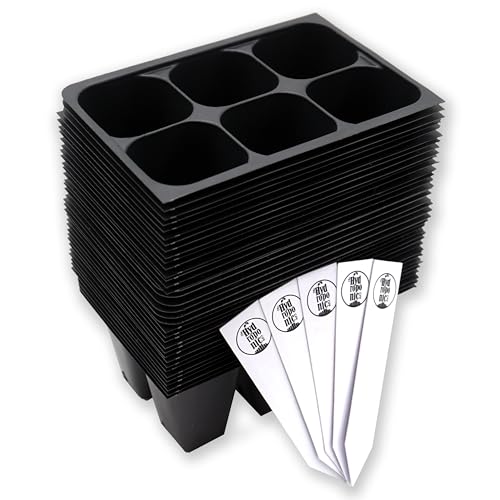
Features: Each cell measures 1.5″ square by 2.25″ deep, designed to promote healthy root development. Durable and reusable materials support sustainable gardening. Suitable for a wide range of seeds, including flowers, herbs, succulents, and vegetables.
Best for: Large seed batches and seeds that benefit from deeper rooting. Choose this if you need many uniform seedlings with robust roots ready for transplanting. Limitation: The 216-cell format requires ample tray space and may be overkill for very small setups.
RooTrimmer 54 Cell Seed Starter Trays
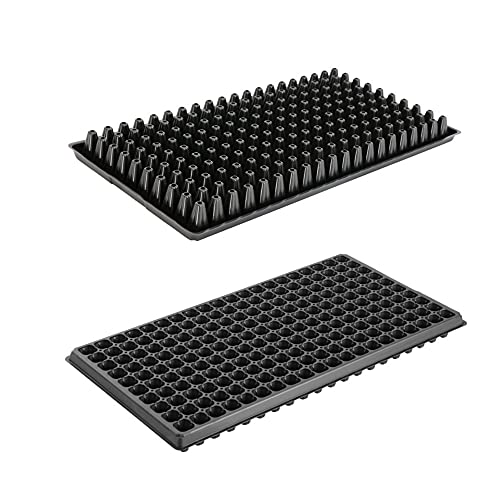
Features: 54 deep cells (2.8 inches high) offer robust soil volume for stronger root systems. Thick, durable plastic supports repeated use and compatibility with shallow 1020 trays. Best for: Gardeners starting a diversity of crops with longer root systems. Caution: Slightly heavier trays require sturdy shelving and proper storage.
RooTrimmer TD538 10 Pack 1020 Seed Starter Trays

Features: Sets include 72/128 cell plug trays compatible with 10″ x 20″ shallow trays, designed to prevent movement during transport. Top dimensions align with standard cell trays for stable operation. Best for: Commercial or serious hobby operations that rely on a uniform 1020 workflow. Caution: The 1020 compatibility means you may need adequate storage space for full sets.
RooTrimmer Deep 72 Cell Seedling Trays

Features: 72 deep cells with a 2.36-inch tray height, designed to fit standard 1020 trays while offering a larger cell volume for more soil and longer root development. Durable PS plastic supports long-term reuse. Best for: Seedlings that require extra soil volume and longer growth in-transit to transplant. Caution: Deeper trays may require more vertical space in greenhouses or benches.
Burpee SuperSeed Seed Starting Tray

Features: 36 cell tray with flexible pop-out cells, labeled rows for seedling identification, drainage slots for better aeration, and raised edges to prevent water spills. Designed for easy transplanting and reuse after cleaning. Best for: Indoor seed starting with easy post-germination transplanting. Caution: Some users may prefer stiffer cells for very dense germination schedules.
Buying Guide
Key considerations when choosing seed starting plug trays include cell size, depth, material, durability, and compatibility with existing propagation setups.
What cell size and depth should I choose?
Deeper cells (around 2.5 inches or more) offer more soil volume, supporting longer rooting and reducing transplant shock for vegetables like peppers and tomatoes. Shallow cells are lighter and easier to inspect, ideal for quick germination of herbs or microgreens. Match depth to the plant’s typical root growth pattern.
How important is tray durability and reusability?
Durable, reusable plastics reduce waste and long-term cost. Look for trays described as thick, strong, or made from impact-resistant plastic. Reusable trays save money over time but require proper cleaning between uses to prevent disease transfer.
What about compatibility with standard trays?
Many gardeners use standard 1020 trays for holding multiple plug trays. If you plan to move seedlings easily or expand your setup, choosing trays compatible with 1020 trays can simplify transplant workflows and storage.
Should I prioritize high cell counts?
High-cell trays are efficient for growing many plants from seed in a compact space. They work well for herbs, annual flowers, and vegetables when you have a larger garden or a greenhouse. Ensure you have enough space for the tray footprint and a way to manage moisture across many cells.
What maintenance helps longevity?
Rinse trays after use, allow them to dry completely, and store them away from direct sunlight to prevent warping or brittleness. When cleaning, avoid harsh chemicals that can degrade plastic over time, and inspect for cracks or warping before reuse.
What if I’m a beginner?
For beginners, trays with soft pop-out cells, clear drainage, and straightforward labeling are advantageous. Systems like Burpee’s 36-cell design offer gentle transplanting and simple maintenance, making it easier to start indoors with minimal setup.
FAQ
- What is the best tray for beginners starting indoors?
Burpee SuperSeed 36-cell tray is beginner-friendly with soft pop-out cells and simple transplanting.
- Which tray supports the most seedlings at once?
The Hydroponic City 216-Cell Seed Starter Trays hold a large number of seedlings in one unit, suitable for bulk starts.
- Are deeper trays necessary for all plants?
Deep cells are beneficial for crops with long root systems but may not be needed for quick-germinating herbs or microgreens.
- Can I reuse seed starter trays after transplanting?
Yes, most of the featured trays are designed for reuse after proper cleaning, which helps sustainability and cost efficiency.
- Do these trays fit standard 1020 trays?
Several options, such as RooTrimmer 54 and Deep 72 Cell trays, are compatible with standard shallow 1020 trays, aiding stability and transport.
- Which tray is best for hydroponic setups?
Deep cell trays with robust drainage and sturdy construction, like RooTrimmer Deep 72 Cell and 54 Cell trays, perform well in hydroponic systems.