Discover the best seed cakes that attract a variety of wild birds while minimizing mess. The following selections emphasize energy-dense ingredients, ease of use, and broad appeal to common yard visitors like cardinals, woodpeckers, chickadees, and jays. Each option is chosen for durability, high nutrition, and value for feeders of all sizes. Use this guide to compare blends, flavors, and target species so you can keep birds fed throughout the seasons.
Summary Of Selected Products
| Product | Brand | Key Feature |
|---|---|---|
| Kaytee Cardinal Seed Cake | Kaytee | Cardinals’ favorite blend; reduces waste |
| Kaytee Woodpecker Seed Cake | Kaytee | High nut content; attracts woodpeckers |
| Audubon Park Nut & Fruit Snack Stack | Audubon Park | Six-pack value; diverse ingredients |
| Kaytee Wild Bird Gourmet Seed Cake | Kaytee | Diverse seed blend; season-long appeal |
| Wildlife Sciences Songbird Treats Seed Bars | Wildlife Sciences | Seed bars for multiple songbirds |
Kaytee Cardinal Seed Cake, Wild Bird Food

The Kaytee Cardinal Seed Cake blends black oil sunflower and safflower seeds to attract cardinals while providing a convenient, ready-to-feed form. This compact cake reduces waste and mess, making it suitable for yards with limited feeding space. The recipe prioritizes protein-rich ingredients to support wild birds through all seasons and is designed to draw bright red cardinals along with other songbirds. It is ideal for gardeners who want a single, high-value option that targets cardinal visitors without frequent refills.
Kaytee Woodpecker Seed Cake, Wild Bird Food

This seed cake targets woodpeckers with a high-nut content mix that includes peanuts, sunflower seeds, safflower seeds, pecans, and pine nuts. The ready-to-feed form is designed to attract multiple woodpecker species while also drawing chickadees and nuthatches. The compressed format minimizes waste at feeders and provides steady energy for these active birds throughout the year. It’s especially suitable for backyard stations that host energetic, nut-loving visitors.
Audubon Park Nut & Fruit Snack Stack

Audubon Park offers a six-pack of Nut & Fruit Snack Stacks, delivering value with multiple individually wrapped seed cakes for longer feeding intervals. The blends include chunky peanuts, sunflower seeds, safflower, and raisins to attract cardinals, woodpeckers, jays, and more. High-energy, nutrient-rich formulas are designed to support active birds through all seasons, while the pack format minimizes refills and keeps feeders tidy in busy yards.
Kaytee Wild Bird Gourmet Seed Cake

The Gourmet Seed Cake from Kaytee combines sunflowers, peanuts, safflower, and millet in a compact, ready-to-feed form. The diverse seed blend is designed to attract a wide variety of birds, delivering essential energy across seasons. This option is suitable for feeders that host Cardinals, Chickadees, Juncos, Titmice, Woodpeckers, Nuthatches, Finches, and more, offering broad appeal in a single product.
Wildlife Sciences High Energy Suet Cake 10 Pack
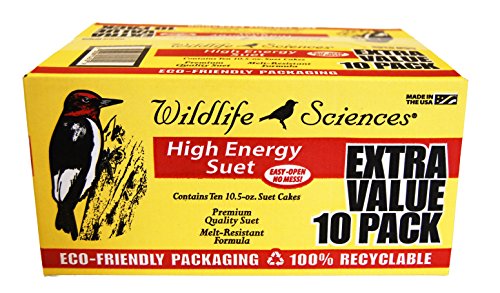
These High Energy Suet Cakes from Wildlife Sciences come in a 10-pack, offering a melt-resistant formula and convenient 4.5 by 4.5-inch cakes. They’re designed to deliver rapid energy for birds, especially in colder months when calorie needs are higher. The packaging emphasizes easy opening and recyclability, making maintenance straightforward for busy feeders. This option is well-suited for attracting weight-conscious species that rely on high-fat sustenance during energy-demanding periods.
Wildlife Sciences Songbird Treats Seed Bars

These Songbird Treats Seed Bars from Wildlife Sciences are designed to attract a broad range of songbirds with seed bars formatted for easy handling. The 1.75- to 2-pound seed bars provide substantial energy and are packaged for recyclability. They’re suitable for yards seeking variety, including species such as sparrows, finches, and other common garden visitors, while offering a durable alternative to loose seed.
Buying Guide: Key Purchase Considerations
When choosing seed cakes for wild birds, consider the following factors to match yard needs with bird behavior and seasonal patterns:
- Bird preferences: Identify local visitors and target species. Cardinals often respond to red-toned blends with safflower and sunflower; woodpeckers favor higher nut content; songbirds appreciate diverse seeds and fruit accompaniments.
- Energy and nutrition: Look for high-fat, high-protein ingredients to support winter and migration periods. Suet-like cakes provide quick energy, while seed blends offer sustained calories.
- Mess and waste: Compressed, ready-to-feed cakes minimize spillover and ground waste compared to loose seed. Consider anti-mess formulations if you have feeder-cleanliness concerns.
- Attractiveness and diversity: Blends that combine multiple seed types attract a wider array of species. Nut-and-fruit components can draw jays, titmice, chickadees, and woodpeckers.
- Feeder compatibility: Ensure your feeder can accommodate seed cakes of the chosen size and shape. Some cakes are designed for standard suet cages or specialized feeders.
- Seasonal performance: Choose blends that provide year-round energy or rotate blends to maintain interest as birds migrate or change dietary needs.
- Packaging and value: Multi-pack options reduce refill frequency and provide cost efficiency. Recyclable packaging supports sustainability goals.
- Allergies and safety: Avoid blends with artificial flavors or excessive salt. Read ingredient lists to reduce potential issues for sensitive birds.
- Maintenance: Suet cakes and seed bars typically require less daily attention than loose seed, helping keep feeders tidy and bird-friendly.
In sum, the right seed cake depends on your local bird mix, feeder setup, and your goals for attracting particular species. A mix of cardinal-leaning, nut-rich, and fruit-enhanced cakes offers versatility across seasons, while a multi-pack approach can reduce refills and expand the attractant profile for your yard.