Discover the best seed-focused books that help gardeners plan, plant, and harvest with confidence. This curated list highlights practical guides on seed saving, vegetable cultivation, and garden organization. Each title offers reliable tips, step-by-step instructions, and durable reference material to support both beginners and seasoned gardeners.
| Book | Author / Brand | Key Focus |
|---|---|---|
| The Old Farmer’s Almanac Vegetable Gardener’s Handbook | The Old Farmer’s Almanac | Vegetable growing, soil testing, seed-starting |
| The Complete Guide to Saving Seeds | Storey Publishing | Seed saving for numerous plant types |
| From Seed to Plant | Penguin | Seed-to-plant growth overview |
| Garden Journal, Seed Organizer Kit | CraftSaints | Garden planning, seed organization, moon calendar |
These selections cover essential topics for gardeners who want practical advice on growing vegetables from seed, saving seeds for future seasons, and keeping all notes in one organized place. Each book has a different angle—from hands-on cultivation and soil science to detailed seed-saving techniques and comprehensive planning tools—creating a well-rounded reading list for seed-centric gardening.
Old Farmer’s Almanac Vegetable Gardener’s Handbook

The Old Farmer’s Almanac Vegetable Gardener’s Handbook provides step-by-step guidance for growing more than 30 vegetables across various zones. It emphasizes soil testing, practical soil management, and in-ground versus raised-bed techniques. The book also covers seed-starting and saving methods, along with crop planning and pest management. Readers will find more than 150 full-color photos, essential reference tables, and charts to support year-round vegetable gardening. Anecdotes from fellow gardeners add a relatable tone while keeping the content focused on actionable strategies for a successful harvest.
The Complete Guide to Saving Seeds

This reference-by-Storey Publishing focuses on saving seeds across a broad range of vegetables, herbs, fruits, flowers, trees, and shrubs. It serves as a comprehensive manual for gardeners who want to preserve genetic diversity and ensure future harvests. The guide includes practical techniques, timing considerations, and storage recommendations, making it a valuable resource for seed saving enthusiasts and serious gardeners alike. The book’s emphasis on reliable, tested methods helps readers build resilient seed stocks for diverse climates and garden styles.
From Seed to Plant

From Seed to Plant offers a concise, clearly illustrated journey from seed to mature plant. The Penguin publication focuses on the life cycle, essential care steps, and factors that influence germination and growth. It provides practical explanations suitable for classroom use or home gardening projects. While described as a used book in good condition, the core value lies in its accessible overview of plant development, supported by straightforward diagrams and explanations that help gardeners anticipate care needs at each stage.
Garden Journal and Seed Organizer Kit
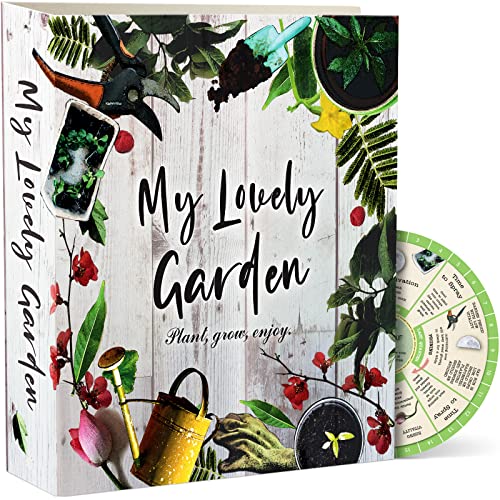
The Garden Journal and Seed Organizer Kit from CraftSaints is a complete planning and record-keeping system designed for serious gardeners. This binder kit includes a 2-ring 11″ x 11.5″ binder with multiple dividers, labels, and seed sleeves, plus templates for logging activities, planning work, and recording plant history. Additional moon calendar pages help align tasks with lunar cycles, while seed envelopes and plant-profile sheets simplify seed management. The kit aims to centralize gardening information, enabling efficient planning, seed tracking, and performance notes across seasons.
Buying Guide: Seed-Centric Gardening Considerations
Key purchase considerations help readers choose the right seed-focused books for their space, climate, and goals. Use these perspectives to compare titles and decide what to read next.
- Purpose and focus: Decide whether you want practical cultivation guidance, a seed-saving manual, or organizational tools. Some books emphasize soil science, while others prioritize record-keeping and planning.
- Climate and zone relevance: Look for titles that address your growing zone and preferred crops. Books with region-specific advice tend to yield more reliable results.
- Seed-saving depth: If saving seeds is a goal, prioritize comprehensive coverage on selection, cross-pollination, storage, and longevity. Detailed charts and tested methods are beneficial.
- Organization features: For planner-focused books, evaluate the included templates, binders, and accessory components. Consider whether the kit matches your notebook style and page size.
- Illustrations and accessibility: Visual guides, diagrams, and color photography help with identification, germination, and plant care. Clear explanations support readers at various skill levels.
- Durability and format: Hardcover references stay accessible for years, while compact guides suit travel or small spaces. If you plan to reference the book often, choose a durable format with ample indexing.
- Cost and longevity: Compare whether the content delivers ongoing value through updated editions, new planting zones, or expanded seed-saving datasets over multiple seasons.
- Supplemental resources: Some titles include charts, online resources, or templates that extend the book’s usefulness beyond the page, such as printable seed envelopes or lunar calendars.
When choosing among these books, consider your garden size, your seed-saving ambitions, and how you prefer to document progress. A combination of a practical cultivation guide, a seed-saving manual, and an organizing journal often yields the most comprehensive support for year-to-year gardening success. This mix helps gardeners not only grow productive crops but also steward valuable seed stocks and keep accurate records for future seasons.