For backyard bird enthusiasts, a well-designed roosting house can provide safe shelter, encourage non-migrating species to stay, and support nesting success. The following selections emphasize durability, natural materials, predator protection, and good ventilation. Each option is suitable for common North American species and offers features that help birds roost, nest, and thrive through cold seasons. Below is an at-a-glance summary of five standout choices, followed by detailed sections and a practical buying guide.
| Product | Brand | Key Feature | Ideal For |
|---|---|---|---|
| Wild Wings WWCH3 Cedar Blue Bird Box House | Wild Wings | Ventilated design; clean-out door; internal climbing grooves | Bluebirds and small cavity nesters |
| Cedar Alpha Open Nest Box – Cardinal/Songbirds | CEDAR ALPHA | Large open nesting box; DIY feeder kit included | Cardinals, robins, blackbirds, finches |
| Small Winter Roost Bird House – Insulated | Coveside | Insulation; internal perches; slate predator guard | Wrens, chickadees, titmice, bluebirds |
| Premium 2pk Bluebird Houses – Western Red Cedar | CEDAR ALPHA | Premium large size; 1.5″ entrance; two-pack | Eastern Bluebirds and similar species |
| Downy Woodpecker Nest House – USA Made | Coveside | Slate guard; winter roosting; natural pine | Downy Woodpeckers and small cavity nesters |
Wild Wings Cedar Blue Bird Box House

The Wild Wings Cedar Blue Bird Box House emphasizes practicality for cavity-nesting species, especially bluebirds. It features air vents for proper ventilation through wall and floor openings, a clean-out door for easy maintenance between broods, and internal grooves below the entry hole to help fledglings climb and orient themselves. Cedar construction provides natural resistance to the elements, while the design keeps predators at a distance and supports long-term outdoor use. This model aligns with common bluebird conservation guidelines and is suitable for placement in gardens or yards with moderate tree cover.
Key installation considerations include a sheltered location away from heavy afternoon sun and prevailing winds. Mounting on a post or sturdy fence ensures stability through winter storms. Regular checks during breeding season help ensure the entrance remains appropriately sized and free of obstructions. This box pairs well with other bluebird-friendly feeders or nest boxes to create a cohesive habitat for local songbirds.
Cedar Alpha Open Nest Box – Cardinal & Songbirds

The Cedar Alpha open-nesting design blends nesting space with a built-in feeding shelf, offering a versatile platform for cardinals, robins, and other large-songbird species. The unit doubles as a DIY bird feeder kit, inviting homeowners to customize with suet cakes or additional painting. Its premium cedar construction provides durability against rain, sun, and seasonal shifts, while the wider nest box area supports larger clutches and easier access for nest checks. This is a practical option for yards that host a mix of cardinals and other cardinals-habiting species.
Placement guidance centers on bright morning sun and protected afternoon shade, with the box mounted at a height that deters ground predators. Regular cleaning and inspection help reduce parasite buildup and increase nesting success. The open-nesting design encourages natural bird behavior, but monitor for any weathering or wood warping in exposed locations.
Small Winter Roost House – Slate Guard & Internal Perches
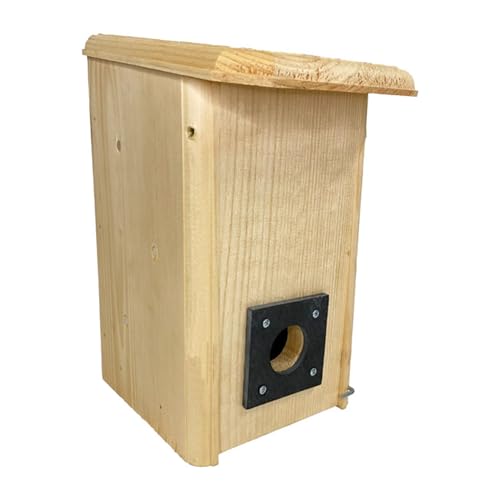
The Small Winter Roost Bird House from Coveside is designed to provide a warm, insulated retreat during cold months. It includes three sturdy internal perches to accommodate six or more birds at once, facilitating communal roosting that conserves warmth. A natural slate predator guard protects the entrance, reducing the risk of hole enlargement by squirrels or woodpeckers. The all-wood construction, using durable pine, is built to withstand year-round outdoor exposure while offering a cozy refuge for wrens, chickadees, titmice, and bluebirds during winter roosting periods.
Practical tips for use include situating the roost near evergreen cover or shrubs to reduce wind exposure, and ensuring the entrance hole remains free of debris. If birds favor larger roosting groups, consider placing multiple roost houses within 10–15 feet of each other to encourage social roosting without crowding individual boxes. Maintenance involves seasonal checks for wood splitting and weatherproofing as needed.
CEDAR ALPHA Premium 2pk Bluebird Houses
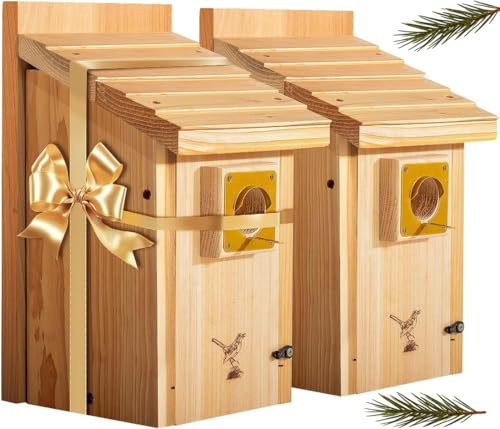
The Premium 2-pack Bluebird Houses by Cedar Alpha offers a robust, large-internal-space design suitable for bluebirds and similar species. The 1.5-inch entrance hole aligns with common bluebird preferences, and the box dimensions—roughly 7.5 by 7.5 by 13 inches—provide ample interior room for nesting while keeping predators at bay. The 2026 updated version focuses on durability and ease of assembly, with two color variations (blue and green) and included steel banding kits for extra stability. This pair is ideal for homeowners who want a coordinated, multi-box setup across their yard or garden.
Consider mounting height and exposure to prevailing winds. Use of predator guards and regular seasonal maintenance helps extend lifespan. Regular checks for wood warp, entry hole size, and cleanliness promote ongoing nesting success across multiple breeding seasons.
Downy Woodpecker Nest House – USA Made
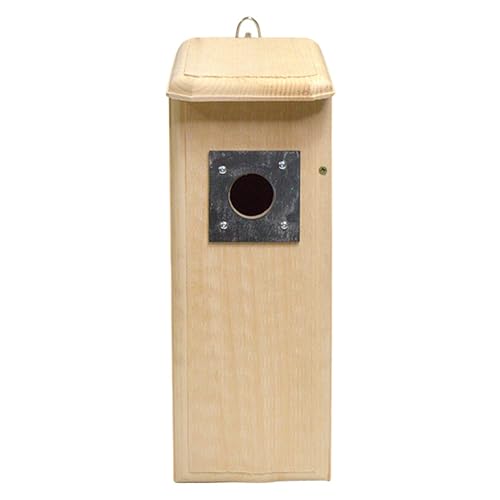
The Mounted Downy Woodpecker Nest House is purpose-built for America’s smallest woodpeckers, featuring a slate guard and a design optimized for Downy Woodpeckers across the eastern U.S. This all-season roosting and nesting box doubles as a winter retreat, providing warmth and shelter while serving as a reliable nesting space come spring. Included wood chips simulate natural cavities, helping birds settle quickly. The unit’s natural pine construction lends rustic appeal and resilience in a range of weather conditions.
Placement considerations include mounting on sturdy posts away from heavy foot traffic and ensuring adequate ventilation to avoid overheating during warm days. Check periodically for wood pecker activity around nearby trees and the condition of the slate guard. Clean out the box after nesting to maintain a healthy environment for subsequent seasons.
Songbird Essentials Roosting Pockets And Houses

Songbird Essentials offers a variety of all-natural roosting pockets and houses crafted from reed grass and cedar. These materials provide resistance to premature decay and are environmentally friendly. Some models use metal staples for durability on roofed variants. The rough texture of the entering opening makes it easier for small birds to grip and maneuver, while the inside can be lined with nesting materials to improve warmth and protection from cold winds. These pockets are particularly beneficial for non-migrating songbirds during winter, offering essential shelter from storms, wind, and snow.
When choosing a roosting pocket, consider the local species, wind exposure, and whether you want a hanging pocket or a wall-mounted version. The environmental benefits of natural materials are balanced against potential maintenance needs, such as checking for wear or ingestion of loose staples. Regular replacement of reed or cedar components can extend the life of the roosting system.
Kingsyard Recycled Plastic Bird House – Wren Habitat
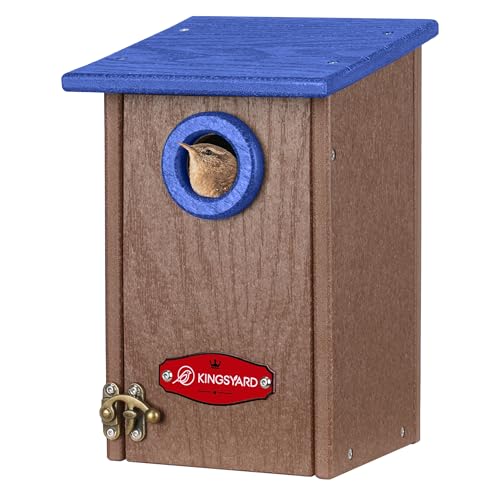
This Kingsyard model uses recycled plastic for weatherproof performance, paired with air vents and a predator guard. The 1-inch entrance hole is designed for wrens and other small species, while ventilation holes at the bottom support healthy air flow. The recycled plastic construction offers durability with minimal warping and rot, a practical option for homeowners who prefer low-maintenance boxes that withstand seasonal travel and sun exposure. The integrated predator guard adds an extra layer of security for nestlings.
When placing, ensure a sheltered wall or post location that minimizes direct sun while providing good visibility to approaching birds. Clean and inspect the entrance guard and vents periodically to maintain airflow and prevent blockage by debris. This box is suitable for year-round use in many American backyards, especially in areas with variable weather.
Buying Guide: How to Choose The Right Roosting House
- Species compatibility: Match entrance hole size and internal dimensions to the target birds in your region. Bluebirds, wrens, cardinals, and small woodpeckers have different nesting needs.
- Materials and durability: Cedar and pine offer natural rot resistance; recycled plastic is low-maintenance but may feel less natural. Consider climate, sun exposure, and humidity in your area.
- Ventilation and insulation: Adequate airflow prevents overheating in warmer months and helps regulate temperature in winter roosts. Insulation is beneficial for winter roosting models.
- Predator protection: Predator guards, reinforced entrances, and solid mounting reduce the risk of hole enlargement and nest predation.
- Maintenance: Look for clean-out doors or easy access for periodic cleaning between broods. Regular checks support long-term success and health of the occupants.
- Placement strategy: Elevation, shading, and proximity to feeders or water can influence occupancy rates. Avoid placing near loud human activity or harsh chemical exposure.
- Multiple boxes: A cluster of roosting/nesting boxes can attract more birds, while giving each species appropriate space reduces competition and stress.
Selecting the right roosting house involves balancing predator protection, ventilation, and local species preferences. For best results, pair a durable nesting box with seasonal roosting options and monitor occupancy to adapt to annual wildlife patterns. Consider keeping a simple checklist for seasonal maintenance to support healthy, safe environments for backyard birds year after year.