Find the right river rock pebbles for landscaping by focusing on size, color, durability, and how they perform in dry versus wet conditions. This guide highlights five popular options tailored for different buyers: homeowners creating decorative walkways, gardeners improving drainage, and hobbyists designing aquarium or planter accents. Each product is evaluated for best-use scenarios, with clear reasoning and practical cautions to help you choose confidently.
Summary of selected products
| Product | Best For | Key Benefit | Notes |
|---|---|---|---|
| FANTIAN 20 lbs Natural River Rocks (2-3 Inch) | Large pathways and striking accents | Varied colors; durable; versatile uses | Heavy; keep in mind volume vs. weight |
| GASPRO 15lb Natural River Rocks (1-1 3/4 Inch) | Container plants and small landscaping projects | High polish adds shine; versatile placements | Polished finish may show dust easily |
| YISZM 20lbs Natural River Rocks (3-4 Inch) | Large visual impact in gardens | Natural look; very smooth; dry/wet color change | Size may be large for tight spaces |
| Mulctun 45LB Polished Black Pebbles (1/4″ – 3/4″) | Modern, sleek black ground cover | Paraffin-waxed finish preserves color | Small size may require more coverage |
| Voulosimi 12 LBS River Rock Stones | Vase fillers, planters, light landscaping | Natural colors; smooth and safe | Smaller size may not stand out as much |
FANTIAN 20 lbs Natural River Rocks (2-3 Inch)
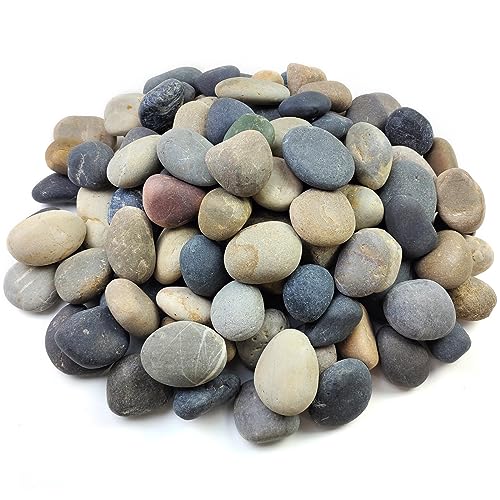
Best for large decorative paths or bold garden accents, this FANTIAN mix offers a blend of colors and a 2-3 inch size. The rocks are non-toxic, unpolished, and free of fillers or dyes, which helps them retain a natural appearance over time. Dry versus wet displays differ in color, adding visual interest with moisture. The size makes them less susceptible to being swallowed by curious pets, though their weight means you’ll handle them in manageable batches. Suitable for creating natural habitats or simple walkways in outdoor spaces.
GASPRO 15lb Natural River Rocks (1-1 3/4 Inch)
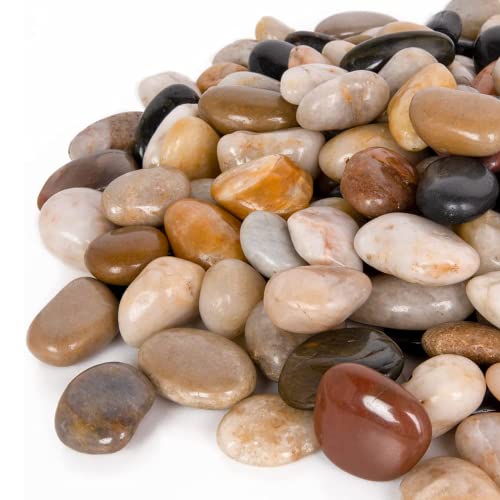
Best for potted plants, planters, and small outdoor projects, these polished rocks provide a bright, glossy finish. Their smaller size makes them ideal for container aesthetics or around plant bases, improving drainage while delivering a decorative touch. The high-polish surface increases shine but can reveal dust more readily, requiring periodic cleaning for continued luster. Choose this if you want a polished look with easy placement in tight spaces.
YISZM 20lbs Natural River Rocks (3″-4″)

Best for a strong visual statement in larger landscapes, these hand-picked 3-4 inch pebbles offer a natural, non-polished look with smooth surfaces. They come in mixed earthy colors and are non-toxic, suitable for gardens, fish tanks, or pathways. Keep in mind their size means they require more spacing and may be less practical for tiny planters. They perform well in dry and wet conditions, with color deepening when wet.
Mulctun 45LB Polished Black Pebbles (1/4″ – 3/4″)
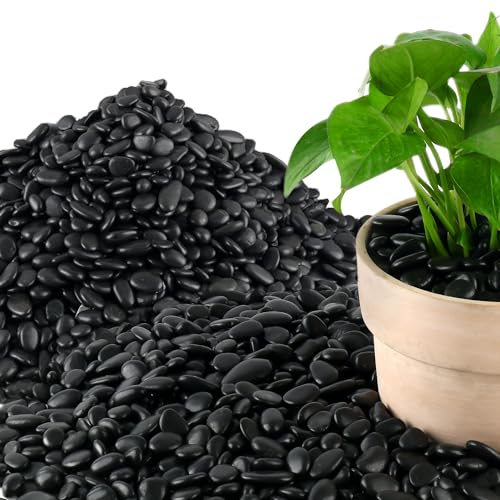
Best for modern, sleek looks in planters, vases, and low-profile pathways, these polished black pebbles offer a glossy, decorative foundation. The stones are wax-coated to retain color and gloss, with the caveat that the coating can darken slightly when in contact with moisture. Ideal for contemporary landscapes or container plant arrangements that require a clean, refined finish. They are smaller, so you may need more units to cover larger areas.
Voulosimi 12 LBS River Rock Stones
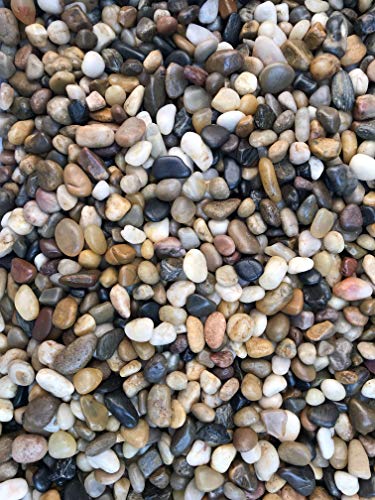
Best for vase fillers, planters, and light landscaping, these lightly polished stones provide a natural, varied color palette and a smooth touch. Their small size makes them versatile for indoor displays, aquariums, or narrow borders. They’re long-lasting and do not deteriorate like mulch, but their compact size means they may not be the focal feature in a large outdoor space. Use them to accent color blocks or create subtle texture in mixed plantings.
Buying Guide: What To Consider When Choosing River Rock Pebbles
What size should you choose? For expansive walkways and bold features, larger pebbles (2-4 inches) create pronounced texture. Smaller pebbles (1/4-1 inch) suit edging, planters, and decorative toppers. Consider space: tighter slots benefit from smaller stones, while open beds can handle larger stones.
What color and finish matter? Natural, mixed-color stones blend with most landscapes and require less maintenance. Polished stones add shine and a modern look but can show dust more easily. Non-toxic rocks are safer for pet-friendly or child-friendly spaces.
Which are best for drainage? Stones with larger gaps and rougher textures promote drainage and air flow in pots and soil beds. Polished finishes may reduce drainage slightly in very compact setups, so balance aesthetics with function.
How do you maintain appearance over time? Dry versus wet color shifts mean you’ll often see different tones after rain or irrigation. Replenishment may be needed over the seasons to maintain uniform color and coverage.
What about safety and placement? Very small stones can be a slipping hazard in wet areas or become a choking risk for young children. Use larger stones for such spaces or supervise use accordingly. Avoid placing sharp-edged stones where hands or paws frequently contact them.
Comparison At A Glance
- Best for bold, natural paths: FANTIAN 20 lbs (2-3 inch)
- Best for container gardening: GASPRO 15lb (1-1 3/4 inch)
- Best for large landscape impact: YISZM 20lbs (3-4 inch)
- Best for modern planters and displays: Mulctun 45LB (1/4″ – 3/4″)
- Best for vase fillers and accents: Voulosimi 12 LBS
Frequently Asked Questions
- What size of river rocks should I start with for a garden bed?
– Start with mixed sizes, focusing on 1-2 inch stones for general edging and 2-3 inch stones for visible features in larger beds. - Are polished river rocks suitable for outdoor use?
– Yes, polished rocks look sleek outdoors, but they may show dust and require occasional cleaning to maintain shine. - Will river rocks improve drainage in pots?
– Yes, using stones as a bottom layer or top dressing can improve drainage and reduce soil compaction in pots. - Can rocks be used around pets and children?
– Choose larger stones and avoid very small pebbles where choking hazards or injuries could occur. - Do color variations affect durability?
– Color variation is cosmetic; all listed stones are non-toxic and designed to maintain color over time, though some color deepens when wet. - How many bags will I need for a given area?
– Coverage depends on stone size and depth. For even results, calculate area in square feet, multiply by desired depth in inches, and convert to cubic feet to estimate bag counts.