Choosing the right red wiggler worms can noticeably improve the speed and quality of composting, turning kitchen scraps into nutrient-rich castings. The following five products are popular, reputable options that cover a range of starter sizes and garden needs. Each selection emphasizes hearty red wigglers, proven performance in composting bins, and strong nutrient output for plants. This guide helps you compare species diversity, survivability, and ease of use to support healthier soils.
| Product | Brand | Starter Size | Note |
|---|---|---|---|
| Uncle Jim’s Worm Farm 100 Count Red Wiggler | Uncle Jim’s Worm Farm | 100 worms | Dense starter for quick bin setup |
| NaturesGoodGuys Live Redworms | NaturesGoodGuys | 1,200 worms | Large batch for rapid processing |
| Uncle Jim’s Worm Farm 2000 Count Red Wiggler | Uncle Jim’s Worm Farm | 2000 worms | Heavy-duty starter for bigger gardens |
Other strong choices in this list include WWJD Worms’ red wigglers in mid-sized and small options. The following sections detail each product, focusing on what makes them suitable for home composting, container gardens, or educational worm farms. Consider your bin size, climate, and composting goals as you review features and benefits.
Uncle Jim’s 100 Count Red Wiggler Composting Worms

The 100-count starter pack offers a robust population to establish a thriving worm bin quickly. These red wigglers are sourced from long-time worm beds, contributing diversity that enables the worms to work across various layers of the compost. This broader activity can enhance decomposition speed and worm casting quality, supporting richer soil. The included worms generate worm castings that are richer in essential nutrients, which helps plants access phosphorus, nitrogen, and potassium more effectively. This option is well-suited for new setups seeking immediate action in a home or school bin.
NaturesGoodGuys Live Redworms Composting Red Worms
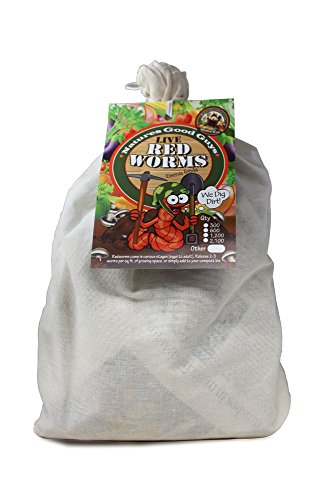
This batch includes 1,200 live red wigglers, designed for quick activation in a compost system. These worms turn organic waste into nutrient-rich soil efficiently and are marketed as effective for transforming kitchen scraps into worm castings. The large population supports rapid processing, particularly in mid- to large-sized bins or educational programs where multiple students can study the composting process. They are a practical option for households seeking to accelerate results without constant maintenance concerns.
Uncle Jim’s 2000 Count Red Wiggler Worms

This very large starter pack is designed for bigger compost systems or educational environments that require a substantial initial population. The diversity of worms helps ensure robust activity across different depths of the pile, enhancing overall processing speed and worm casting quality. Expect quicker conversion of scraps into valuable castings, making it a practical choice for gardeners with sizable garden beds or small farms looking to establish a steady, long-term composting operation.
WWJD Worms Red Wigglers 1/2 Lb

WWJD Worms offers a ½-pound bundle of red wigglers, suited for steady, ongoing composting in medium-sized bins. These worms are described as adaptable to a wide range of temperatures and conditions, making them suitable for various climates and setups. They produce nutrient-dense castings that support plant growth and can be a reliable option for DIY composting systems, classrooms, or family worm bins. The product emphasizes versatility and ease of management for busy households.
WWJD Worms Red Wigglers 1/8 Lb

This smaller 1/8-pound option provides a compact entry point for beginners or those piloting a worm bin on a balcony or apartment patio. The worms are positioned to perform efficiently in compact environments, contributing to nutrient-dense worm castings for potted plants and small garden beds. As with larger WWJD offerings, these wigglers are described as adaptable and reliable, supporting various composting setups while maintaining manageable maintenance needs.
Buying Guide: Key Considerations For Red Wiggler Bins
When choosing red wigglers for composting, consider bin size, climate, and garden goals. Density matters: larger batches improve processing speed but require more space and more consistent moisture. Red wigglers thrive in moist, aerated environments with balanced food scraps. Start with a modest amount if you’re new to worm bins, then scale up as you observe steady activity and stable worm casting production. Temperature range, feeding pace, and bin design influence worm health and decomposition rate. Look for worms with proven survival and a history of robust castings to maximize return on your composting effort.
Performance factors include worm diversity within batches, which supports multi-layer processing in the compost. Packages that emphasize diversity and deep bin activity can deliver richer worm castings more quickly. Nutrient content in worm castings—high in phosphates, nitrogen, and potash—can elevate soil fertility for vegetables, herbs, and ornamentals. Consider your bin location, whether indoors or outdoors, and how you plan to harvest castings. Some producers emphasize quick activation, while others highlight large starter populations for rapid initial processing.
Practical considerations also include risk of overcrowding, moisture management, and feeding guidelines. Red wigglers do best with a steady stream of finely chopped kitchen scraps and shredded cardboard or similar bulking material to prevent compaction. Avoid meat, dairy, or oily foods that can attract pests or create odors. Monitoring worm health and bin moisture ensures consistent performance. Finally, align your choice with your long-term maintenance plan—from classroom demos to full garden operations—and select a starter pack that fits your available space and growth trajectory.
Additional Tips For A Healthy Composting System
- Alternate green (nitrogen-rich) and brown (carbon-rich) materials to maintain balance.
- Keep bin moisture like a wrung-out sponge; too dry or too wet slows decomposition.
- Flatten and gently turn the pile occasionally to improve aeration.
- Harvest worm castings periodically and return worms to the bin for continuous processing.
- Store extra worms in a small, cooler setup if you need to pause feeding temporarily.
The above selections provide options across different starter sizes and needs, offering practical paths to productive vermicomposting. By evaluating bin space, climate, and desired output, you can select red wigglers that help you turn scraps into valuable soil amendments—supporting healthier gardens and more sustainable waste reduction.