This article highlights the best red wiggler worms for home composting, helping you choose healthy, productive worms that accelerate breakdown and improve garden soil. Five reliable options from trusted brands are showcased below, with practical notes on why they perform well in varied setups—from small kitchen bins to larger worm farms.
Buying guide snapshot:
| Product | Count | Brand | Typical Use |
|---|---|---|---|
| Uncle Jim’s 100 Count Red Wiggler | 100 | Uncle Jim’s Worm Farm | Starter compost bin |
| NaturesGoodGuys 1,200 Red Wigglers | 1,200 | NaturesGoodGuys | Medium to large bins |
| Uncle Jim’s 2,000 Count Red Wiggler | 2,000 | Uncle Jim’s Worm Farm | Active composting at scale |
| WWJD Worms 1 lb Red Wigglers | 1 lb | WWJD Worms | Flexible home setups |
| Uncle Jim’s 250 Count Red Wiggler | 250 | Uncle Jim’s Worm Farm | Moderate capacity bins |
Uncle Jim’s Worm Farm 100 Count Red Wiggler

The 100-count starter pack from Uncle Jim’s Worm Farm provides red wigglers suited for turning kitchen scraps into rich worm castings. These red wigglers are described as diverse, enabling them to work through multiple compost layers for quicker, more even decomposition. The packaging emphasizes soil enrichment through castings rich in essential nutrients, contributing to healthier garden beds and soil structure. Suitable for beginners, this option supports smaller bins and gradual expansion as you observe worm activity and cast production.
NaturesGoodGuys Live Redworms Composting Red Worms
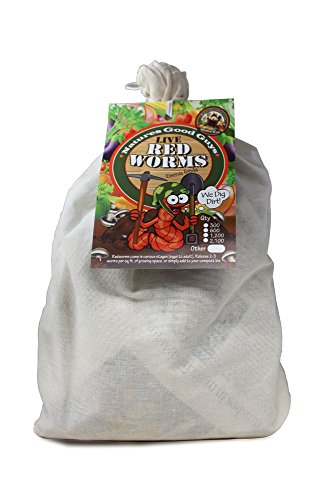
Nature’s Good Guys offers a robust shipment of 1,200 live red wigglers, marketed for transforming organic waste into nutrient-dense soil. These worms are positioned as efficient at accelerating composting, contributing to richer soil amendments over time. This option is well-suited for homeowners expanding their composting operation or establishing a worm bin capable of handling frequent scraps, while producing a steady supply of worm castings for gardens and potted plants.
Uncle Jim’s 2,000 Count Red Wiggler

This larger starter pack from Uncle Jim’s Worm Farm targets more ambitious composting needs, delivering 2,000 red wigglers. The product description highlights that these worms are adept at working across layers of compost, promoting faster breakdown and nutrient-rich worm castings. Ideal for dedicated worm bins or smaller community plots, this option supports rapid scaling of a home composting system while maintaining soil-improving output.
WWJD Worms Red Wigglers Composting Worms – 1/2 lb

WWJD Worms offers a compact 1/2 pound option of red wigglers designed for flexible use in various environments. The features emphasize nutrient-rich castings and adaptability to different temperatures and settings, including worm farms, kitchen bins, and raised beds. This size is convenient for hobbyists who want to start small and gradually grow their worm population as familiar with composting progress.
WWJD Worms Red Wigglers Composting Worms – 1/4 lb

This WWJD option provides a smaller 1/4-pound package of red wigglers, suitable for compact bins or classrooms and small worm farming setups. The described benefits mirror their larger counterpart: helping convert organic matter into nutrient-rich castings and supporting versatile use across home gardens, worm farms, and compost starters. A good choice for users testing a new bin or balancing worm numbers with available scraps.
Uncle Jim’s 250 Count Red Wiggler

The 250-count option from Uncle Jim’s Worm Farm sits between smaller starter packs and mid-sized bins. It emphasizes diversity and multi-layer composting performance, delivering a steady stream of worm castings for garden beds or compost piles. The description reinforces the value of nutrient-rich worm castings to enhance soil structure, nitrogen, phosphates, and potash levels over time, supporting healthier plant growth in various garden settings.
Buying Guide
Key considerations when selecting red wigglers for composting include population size, bin capacity, and climate adaptability. Larger shipments suit steady, ongoing composting in bigger bins or worm farms, while smaller packs are ideal for beginners or limited spaces. Look for worms labeled as Red Wiggler (Eisenia fetida), known for fast digestion, high reproduction rates, and resilience in typical kitchen composting setups. Check seller notes about worm maturity, shipping handling, and whether the worms arrive live and ready to integrate into your bin. Consider supplemental materials like castings and starter bedding, which can improve initial bin performance.
Environmental factors influence worm performance. Red wigglers prefer moist, aerated environments with a balanced pH and ample organic waste. Avoid including meat or dairy, which can attract pests and create odors. Temperature tolerance varies: most red wigglers perform well in moderate climates, but extreme heat or cold can slow activity. Containers with proper drainage and bedding (shredded newspaper, cardboard, or coconut coir) help maintain soil texture and oxygen flow. Regular monitoring of moisture, temperature, and feeding schedule supports faster composting and healthier worm populations.
Economics and convenience matter. For households starting out, a smaller starter pack minimizes risk while you learn feeding cycles and bin management. For more serious composting, larger counts save time and reduce the frequency of ordering. Shipping considerations and supplier reputation impact worm viability on arrival; choose vendors with clear instructions on acclimation, feeding, and maintenance. Finally, evaluate long-term goals: do you want steady castings for a garden bed, or a thriving worm farm that generates worm castings for multiple plots?
In summary, selecting red wigglers hinges on bin size, climate, and your composting ambitions. The options listed here cover beginner to advanced setups, with a focus on worms that efficiently process organic waste and produce nutrient-rich castings beneficial for soil health and plant growth.