Choosing recyclable or biodegradable pots helps reduce transplant shock, cut waste, and supports sustainable gardening. This guide highlights five top options that make seed starting, transplanting, and ongoing growth easier for American gardeners. Each product blends eco-friendly materials with practical features like drainage, labeling, and ease of use. Explore these reliable choices to find pots that align with your planting goals and environmental values.
| Brand | Name | |
|---|---|---|
| Dalzom | 60Pcs 3.1″ Peat Pots with Labels | Biodegradable, drainage holes, ground-plantable |
| ARGCONNER | 60 Pack Plant Starter Round Pots | Drainage holes, labels included |
| CLEANGOR | 70Pcs Biodegradable 4” Pots + 70 Labels | Fully biodegradable, excellent drainage and retention |
| JNYONG | 60 Packs 3.15″ Peat Pots with Labels | 4 drainage holes, biodegradable |
| Cidenbio | 100 PCS 4 Inch Plant Pots with Labels | Reusable plastic, internal labeling |
Dalzom 60Pcs Peat Pots With Labels

Dalzom offers a complete seed-starting kit featuring 60 biodegradable peat pots and 60 plant labels. Each pot measures 3.1 inches at the top with drainage holes, designed for direct planting in soil without disturbing roots. The kit uses recycled pulp materials and supports a straightforward transplant process, making it suitable for beginners and experienced gardeners alike. The included labels help organize seedlings during the growing season, reducing mix-ups in busy nurseries or home gardens.
ARGCONNER 60 Pack Plant Starter Round Pots
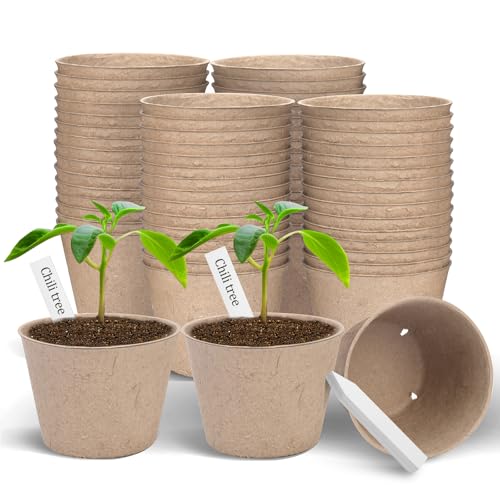
ARGCONNER’s set includes 60 four-inch nursery pots with drainage holes and 30 plant labels. Crafted from pulp paper, these pots promote airflow and proper watering while breaking down over time to support healthier root development. The design supports easy seed starting and transplanting, with clear labeling aid for tracking germination progress and plant species.
CLEANGOR 70Pcs Biodegradable Pots With Labels
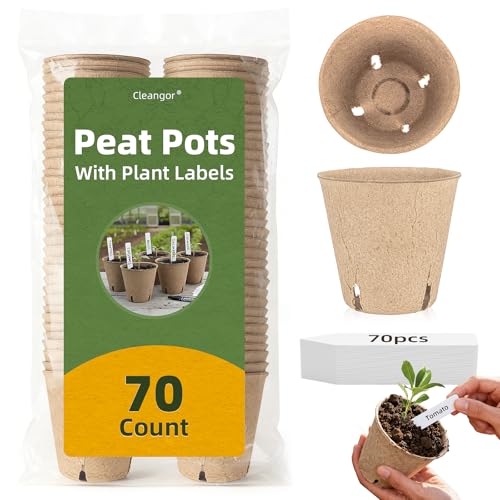
Cleangor combines a generous 70+70 kit of plant pots and labels. The pots are fully biodegradable and made from recycled pulp, enabling you to plant the entire pot into the ground without root disturbance. Built-in drainage and breathable walls help prevent overwatering while maintaining adequate moisture. The included labels help organize herbs, vegetables, and flowers, making it a solid option for kitchen gardens and larger plots alike.
JNYONG 60 Packs Peat Pots With Labels

JNYONG offers 60 peat pots at 3.15 inches in diameter, with 50 planting labels included. The pots feature four drainage holes to encourage drainage and airflow, helping prevent waterlogging. Made from recycled pulp and plant fibers, these pots biodegrade in soil, turning into nutrients that support plant growth while reducing waste from seed-starting activities.
Cidenbio 100 PCS 4 Inch Plant Pots With Labels

Cidenbio presents 100 four-inch nursery pots that pair with 100 labels for efficient seed tracking. Made from lightweight, reusable plastic, these pots are designed for plant startups and transplanting. They resist odor and maintain structural integrity when handling. The set is suited for both indoor and outdoor use, offering a practical option for gardeners who value reusability and labeling clarity.
Buying Guide: What to Consider When Choosing Recyclable Pots
- Material and biodegradability: Biodegradable pots (peat, pulp, or plant-fiber composites) reduce transplant shock and waste. Recyclable plastics offer reusability but may require washing and care to extend life.
- Drainage and aeration: Pots with drainage holes prevent waterlogged soil and encourage healthy root systems. Look for breathable walls and adequate drainage to minimize root rot.
- Size and compatibility: Choose pot sizes that fit your plants’ root systems and space. Common starter sizes range from 3 to 4 inches in diameter for seedlings, with larger options for transplant-ready plants.
- Labels and organization: Included plant labels help you track seed variety, germination progress, and growth stage. Label durability matters if pots stay outdoors.
- Transplant ease: Biodegradable options allow planting the pot with the seedling, reducing root disturbance. Reusable plastic pots are better for ongoing experimentation or perennial setups but require cleaning between uses.
- Environmental impact: Consider whether the pots are made from recycled materials, are compostable in home or industrial facilities, or are designed for long-term reuse. A holistic view helps reduce waste in the gardening cycle.
- Price and availability: While not listing prices here, compare bundles, labeling sets, and pot durability to determine value. Availability in many sets can simplify bulk purchases for larger projects.