Raised metal garden planters offer durable, weather-resistant options for growing vegetables, herbs, and flowers. This guide highlights five top picks, explains who each is best for, and helps you compare features like capacity, assembly, and mobility. Ideal buyers include small-space gardeners, DIY weekend renovators, and anyone seeking long-lasting metal planters that resist rust and deformation.
| Product | Size / Capacity | Best For |
|---|---|---|
| Land Guard Galvanized Raised Garden Bed Kit | 4×2×1 ft; 7.14 Cu | All-in-one, easy-assembly option for medium beds |
| Vivagarden Galvanized Raised Garden Bed | 4×2×1 ft | Long-lasting, high-durability bed for varied plants |
| FOYUEE 31.5″ Tall Raised Garden Bed with Wheels | 37.4×15.7 in planting area; tall and mobile | Ergonomic gardening and easy relocation |
| Land Guard 2 Pack Galvanized Raised Garden Bed with Legs | 48×24×32 in (per bed) | Larger, stand-based setup for patios or decks |
| Foxlang 8×4×1 ft Galvanized Oval Raised Garden Bed (2 Pack) | 8×4×1 ft per bed | Expansive, multiple-bed layouts for vegetables |
Land Guard Galvanized Raised Garden Bed Kit
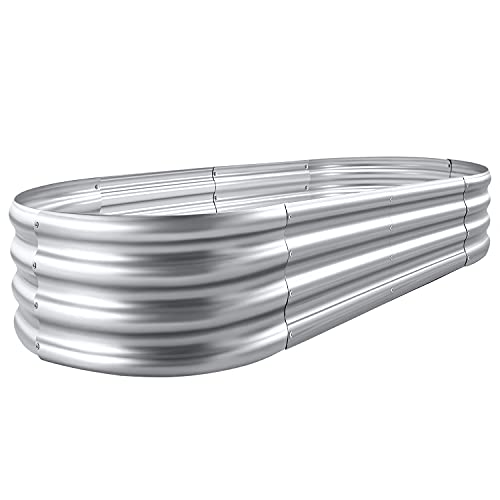
The Land Guard kit uses Q195 galvanized metal with double-layer anti-corrosion galvanizing and an oval profile. This design enhances beauty while increasing interface strength to resist deformation under pressure. It’s best for gardeners who want a complete, ready-to-assemble bed that can stay outdoors year-round with minimal maintenance.
Who it’s best for: small- to mid-sized garden spaces, home chefs who grow vegetables and herbs, and buyers seeking straightforward setup.
Why selected: the kit emphasizes durable construction, rust resistance, and a quick 5-minute assembly process, making it a strong, drop-in solution for primary raised beds.
Caution: ensure a level installation surface to maximize structural integrity and avoid wobble at corners over time.
Land Guard 2 Pack Galvanized Raised Garden Bed With Legs

This two-pack set features a raised bed with legs, offering a large footprint (48×24×32 inches per unit) and a capacity up to 700 lb. The upper surface is galvanized steel, the middle shelf is stainless steel, and the legs are aluminum alloy. Protective pads at corners prevent floor damage and accidental pokes. Best for: users who need elevated gardening space with a refined, modern look for patios, backyards, or balconies.
Why selected: the leg design provides better accessibility and airflow, while corrosion resistance and strong load-bearing meet long-term outdoor use.
Caution: the larger footprint requires adequate space and sturdy surface; consider anchoring for windy areas.
Vivagarden Galvanized Raised Garden Bed Outdoor

This large 4×2×1 ft bed uses thickened steel with dual-layer galvanization for enhanced rust resistance and durability against outdoor weather. It emphasizes easy assembly with wing nuts and supplied tools, making it accessible for DIY gardeners who want a sturdy, long-lasting bed without complex hardware.
Who it’s best for: gardeners seeking heavy-duty metal planters with simple assembly and robust rust protection for year-round use.
Why selected: the combination of thick galvanized steel and straightforward assembly supports long-term planting without frequent replacement.
Caution: ensure proper drainage to avoid waterlogging in heavy rainfall areas.
FOYUEE 31.5″ Tall Raised Garden Bed With Wheels

FOYUEE offers a taller, mobile planter with wheels and a 37.4” by 15.7” planting area. It supports up to 200 lb of soil and plants and includes a storage shelf and handle for easy repositioning. The wide footprint and elevated design reduce bending and back strain, making it suitable for seniors or gardeners with limited mobility.
Who it’s best for: urban gardeners with limited space who want to move beds to track sun shifts or protect plants from adverse weather.
Why selected: mobility, ergonomic height, and space-efficient footprint provide practical benefits for flexible container gardening.
Caution: wheels and handle add weight; ensure a stable surface and check that the bed remains stable when fully loaded.
Land Guard 2Pcs Galvanized Raised Garden Bed Kit
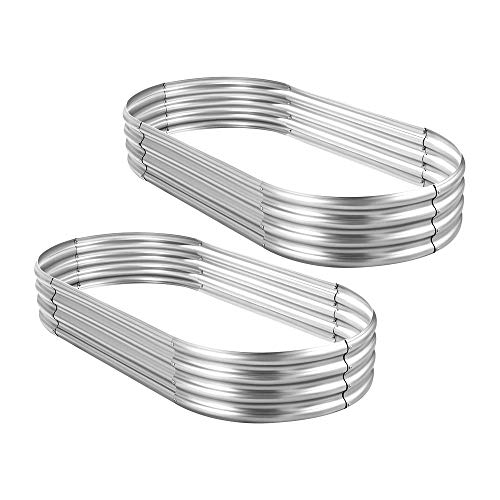
This two-pack kit mirrors the single-kit design with a 4×2×1 ft footprint per bed, offering twice the planting area for larger layouts. The oval, galvanized construction prioritizes durability and a clean aesthetic. Best for: expanding a garden bed area without sacrificing rust resistance or easy assembly.
Why selected: provides scalable growth for multi-bed configurations and consistent quality across units.
Caution: ensure each bed site is level to prevent uneven growth and stress on the metal seams.
Foxlang 8×4×1 ft Galvanized Oval Raised Garden Bed

Foxlang’s oval beds combine a thickened steel construction with a tall 12-inch depth, offering ample root space for larger crops. The design emphasizes open-bottom drainage, movement ease, and the option of multiple beds for expanded layouts. Best for: gardeners who want deep-root growth potential and flexible placement across a yard or patio.
Why selected: the broad footprint and deep profile support a wide range of crops, while portability helps accommodate sun and shade changes.
Caution: heavier beds require careful handling during assembly and relocation; use protective gloves and assist with lifting.
Buying Guide: Raised Metal Garden Planters
What material qualities matter?
Look for galvanized steel with a double-layer coating for rust resistance and durability in outdoor weather. An oval or rectangular profile can influence corner strength and aesthetics. Consider the thickness of the metal (1 mm or thicker is generally sturdier than lighter options) and the presence of any protective corner padding to safeguard floors and users.
Which size fits your space?
Measure available space and consider plant types. A 4×2 ft bed is a versatile starter for vegetables and herbs, while taller beds or wheel-enabled designs improve accessibility and mobility for seniors or people with back problems. Plan for enough soil depth to support root systems of your intended crops.
Do you need mobility or elevation?
Wheeled beds or raised legs reduce bending and allow repositioning to follow sun shifts or weather. If you have limited space or a balcony, a tall, mobile bed can maximize output per square foot. Elevated legs or stands also help keep soil off damp surfaces and improve airflow underneath.
What about drainage and soil depth?
Open-bottom designs promote drainage but may require careful site selection and placement on durable surfaces. Closed-bottom beds rely on drainage holes or liners; choose based on whether you plan to use existing garden soil or fresh soil mixes. Ensure the planting depth matches root needs for your crops.
What should you avoid?
Avoid thin, single-layer panels that deform easily under weight. Also be cautious of designs with sharp edges or exposed corners that could injure hands or scratch floors. If you’re concerned about rust, favor models with thicker galvanized layers and reinforced joints.
Maintenance and setup tips
- Assemble on a level surface and check bolts regularly for tightness.
- Line beds with a breathable barrier if planting directly into metal to reduce soil panning or heat stress.
- Place planters in areas with adequate sunlight, based on the crop needs of vegetables, herbs, or flowers.
FAQ
- Q: Are galvanized raised beds safe for growing edible crops?
A: Yes, galvanized steel with proper galvanization is widely used for outdoor planters and is designed to resist rust while not imparting harmful substances to plants when used as intended. - Q: Do these beds require liners?
A: Some open-bottom or bottomless designs rely on direct soil contact with the ground for drainage, while others include liners or drainage holes. Check the product details for drainage options. - Q: Which bed is best for beginners?
A: A ready-to-assemble kit with straightforward wing-nut connections and clear assembly instructions is ideal for beginners, like the Vivagarden or Land Guard kit options listed above. - Q: Can I place these planters on a wooden deck?
A: Yes, but use protective pads or feet to prevent scratches and check that the deck can support the bed and soil weight when filled. - Q: How deep should soil be in a raised bed for vegetables?
A: For most vegetables, aim for at least 12–18 inches of soil depth to support root growth, with deeper beds beneficial for larger crops. - Q: Do these beds resist rust in coastal environments?
A: Galvanized steel with robust coatings provides enhanced rust resistance, but regular maintenance and proper drainage help prolong life in salty or humid environments.