Looking for a raised garden that makes gardening kid-friendly and mess-free? This guide highlights five top Amazon picks that balance safety, ease of use, and educational value for young beginners. Each option suits different families—whether you want a small, accessible bed for toddlers, a kid-sized planter kit for curious builders, or a complete growing kit that teaches plant science through hands-on play. The quick comparison table below helps you choose at a glance.
Product Comparison At A Glance
| Product | Best For | Key Benefit | Limitations |
|---|---|---|---|
| Yumatum Raised Garden Bed 4×2×1 FT | Beginner gardeners and families | Safer edge trim and included gloves; durable galvanized metal | Medium size; assembly required |
| Simplay3 Seed to Sprout Raised Garden Planter | Young kids learning cycles | Three compartments; kid-friendly tools included | Smaller footprint, best for early-stage growing |
| DUYOYU Kids Plant Growing Kit | Hands-on science play | Greenhouse with irrigation and grow light; biologic growth cycle | Electronic components require supervision |
| Kinderific Gardening Set | General kids gardening play | Comprehensive tool set with tote for portability | Best as a companion kit; not a full planter |
| PLANTMEW Paint & Plant Kit | Creative gardening projects | All-in-one arts-and-garden kit for kids | Focuses on decoration and planting; not a traditional bed |
Yumatum Raised Garden Bed 4×2×1 FT

This galvanized metal raised garden bed is designed to simplify first-time growing. The included hardware and gloves allow immediate assembly and planting, making it ideal for families with kids who want to start gardening this weekend. The top edge features a protective plastic trim to reduce sharp contact during work, helping beginners and younger gardeners stay safe while learning basic soil and plant-care concepts. Best for: beginner gardeners and families who want a sturdy, low-maintenance elevated bed that’s easy to set up and use.
Who it’s best for: households needing a durable, ready-to-assemble option with safety considerations and an approachable height. Why selected: metal construction provides lasting stability in yards, patios, or balconies, and the safety trim supports a gentler learning environment. Limitation: you’ll need to fill and balance soil and compost yourself, which is common for raised beds.
GreatBuddy 2x2x1 ft Round Galvanized Raised Garden Bed

Designed for space-conscious gardeners, this round bed supports modular layouts in tight outdoor spots. It includes anti-cut gloves and pre-attached edges to protect little hands, which makes it well-suited for families introducing gardening to kids. Best for: urban or small-space use where multiple planters are arranged together to create a child-friendly green zone. Why selected: simple assembly and durable materials resist weather exposure. Caution: round beds may require careful soil distribution to avoid tipping if overfilled.
Best Choice Products 48x24x30 Inches Raised Garden Bed
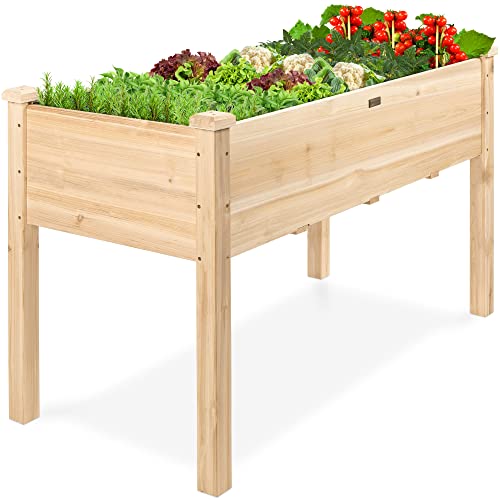
An elevated wood planter stand that provides ample space for vegetables and flowers. The long bed design offers a generous soil volume, while proper drainage helps protect plants from saturation. Best for: families wanting a larger, traditional wooden garden bed with a stable stand. Why selected: natural wood construction offers a classic look and comfortable reach for kids when tending plants. Limitation: wood requires maintenance over time to prevent weathering in outdoor environments.
Simplay3 Seed to Sprout Raised Garden Planter

This kid-focused raised garden bed is sized for small hands and budding planters. It features three planting compartments to teach early-stage planting, seed starting, and transplanting. Includes an 8-piece kid-friendly tool set, making it a ready-to-play kit for young learners. Best for: early-stage gardeners and classrooms exploring plant life cycles. Why selected: comprehensive, age-appropriate design supports hands-on learning. Caution: compact compartments may limit root depth for larger vegetables.
DUYOYU Kids Plant Growing Kit

DUYOYU’s kids gardening kit provides a mini greenhouse experience with an integrated irrigation system and grow light. It supports children learning the full growth cycle—from planting to flowering and fruiting—while offering a hands-on setup that teaches responsibility and science. Best for: children interested in science, growth cycles, and indoor growing. Why selected: combines practical gardening with visible plant progress. Limitation:Requires supervision for light and irrigation components.
Kinderific Gardening Set

Kinderific offers a complete tool kit designed specifically for kids. Lightweight, colorful, and durable, this set includes a tote bag, watering can, gloves, and essential hand tools. Best for: initiating kids into regular gardening sessions and teaching basic tool use. Why selected: builds fine motor skills and gardening confidence. Limitation: tools are small; may be best paired with a larger raised bed for actual planting projects.
PLANTMEW Paint & Plant Flower Growing Kit

PLANTMEW combines creativity with gardening in an all-in-one kit. Kids paint a metal planter, plant seeds, and watch blooms. This kit blends arts and science, offering a screen-free, hands-on project that teaches growth cycles, patience, and care. Best for: creative kids who enjoy crafts as part of gardening. Why selected: supports artistic expression alongside horticulture. Limitation: the focus is as much on painting as on planting, so results may vary based on preschool-to-early-elementary readiness.
Buying Guide: What To Consider When Picking A Kid-Friendly Raised Garden
- Age and Height of The Gardener: Choose beds and tools that fit your child’s height and motor skills. Taller beds reduce bending and back strain for longer gardening sessions.
- Safety Features: Look for rounded edges, protective trim, and anti-cut gloves. Raised beds with accessible rims help kids reach, while glove protection reduces scrapes.
- Space and Layout: For beginners, smaller, modular beds work well. If you want to grow a variety of plants or teach stages of growth, consider kits with compartments or dedicated planting zones.
- Educational Value: Kits that demonstrate plant life cycles or include garden science components can enhance curiosity and learning outcomes.
- Durability and Maintenance: Metal and treated wood offer longer lifespans in outdoor conditions. Wood may require sealing or staining to prevent weathering.
- Ease of Assembly: Pre-drilled panels, labeled parts, and included tools shorten setup time, making it easier for parents to supervise and children to participate.
Frequently Asked Questions
- What is the best raised bed for beginners with kids?
– A bed with safety features, simple assembly, and included kid-friendly tools is ideal, such as galvanized metal options with protective rims or rounded edges. - Should I choose a wooden or metal raised bed for kids?
– Wooden beds offer classic aesthetics and a lower weight feel, while metal beds provide durability and stability in outdoor spaces. Consider climate and maintenance needs. - Are kid gardening kits suitable for indoors?
– Yes. Kits with built-in grow lights or mini greenhouses can function well indoors, especially to teach growth cycles in a classroom or home setting. - What plants work best for kids starting out?
– Fast-growing, forgiving varieties such as radishes, lettuce, green beans, and sunflowers help kids see results quickly, building confidence. - Is supervision required for all kid gardening kits?
– For kits with electrical components or irrigation systems, supervision is advised to ensure safe and proper usage. - How can I make gardening more engaging for kids?
– Use labeling, designating a “growth chart” for plants, and incorporating art or science activities that align with what’s growing.