Choosing the right raised bed can simplify vegetable gardening by improving drainage, reducing soil compaction, and elevating the planting area to a comfortable height. The following five options are among the most relevant for American gardeners seeking durable, easy-to-maintain beds for vegetables, herbs, and flowers. Each product emphasizes sturdy construction, soil management, and practical features like mobility or liners. Use the buying guide at the end to compare key factors such as material, depth, and assembly needs.
| Product | Material | Notable Feature |
|---|---|---|
| Best Choice 72x24x30in Elevated Bed | Wood | Divider panel and six legs for stability |
| Best Choice 48x24x32-in Mobile Bed | Wood | Locking wheels and storage shelf |
| Best Choice 48x24x30 Inches Raised Bed | Wood | Bed liner for soil protection |
| Best Choice 6x3x2ft Outdoor Metal Bed | Powder-coated steel | 269-gallon capacity, sturdy metal frame |
| Best Choice 8x2x2ft Metal Bed Oval | Metal panels | Modular design with multiple setup options |
Best Choice 72x24x30in Elevated Garden Bed
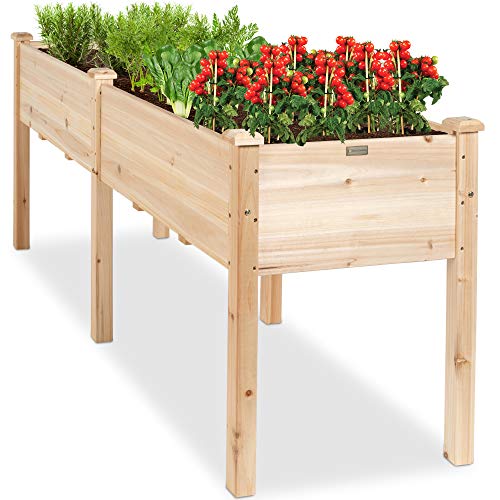
This elevated wood planter is designed for easy gardening in backyards, patios, or balconies. It features an all-wood construction using durable Chinese fir to resist warping and sagging over time. A divider panel helps separate different plantings, ideal for crop rotation or companion planting. The wide planting space accommodates a variety of vegetables and flowers, while six legs provide stable support on uneven surfaces. Proper drainage holes promote root aeration and prevent standing water, protecting against rot and mineral buildup.
Best Choice 48x24x32-In Mobile Wood Planter
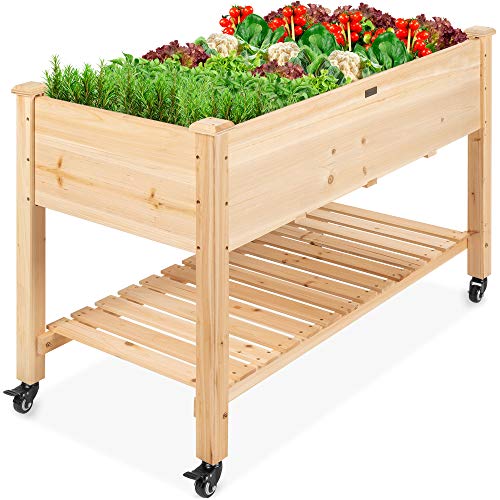
This tall, mobile garden bed is built for flexibility. It elevates the planting area to a comfortable height, which helps reduce bending and back strain during maintenance. Locking wheels enable easy relocation to optimize sun and shade patterns throughout the growing season. A protective liner helps separate soil from the wood, reducing rot and extending the bed’s life. The design also includes a storage shelf, making garden tools and accessories conveniently accessible during care tasks.
Best Choice 48x24x30 Inches Raised Bed With Liner
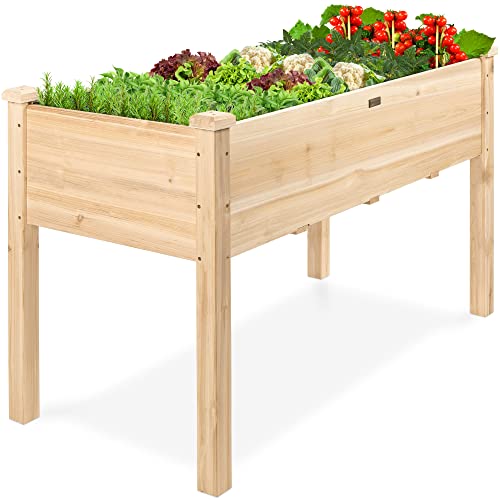
Designed to provide ample space for vegetables and herbs, this bed offers a generous 5 cubic feet of planting area. The liner protects the wood and helps preserve soil quality, making it easier to manage soil moisture and nutrient levels. Wood construction is celebrated for its natural aesthetic and weather resistance, especially when using treated or naturally durable wood like Chinese fir. Proper drainage channels prevent waterlogging, which supports healthier root systems and longer-lasting plant health.
Best Choice 6x3x2ft Outdoor Metal Bed
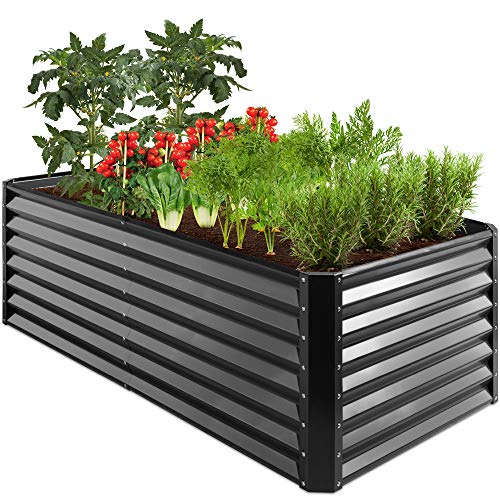
This metal raised bed uses powder-coated steel panels for durability and a long service life. With a 269-gallon soil capacity, it supports a wide range of vegetables, herbs, and flowering crops. The product is designed for easy, tool-free assembly with wingnuts and bolts, and rubber edging provides added safety during construction and maintenance. An open base helps promote drainage and root access, making it suitable for climates with varying rainfall and soil conditions.
Best Choice 8x2x2ft Oval Metal Bed

This oval-shaped, modular metal bed offers flexible setup options. The 2-foot depth provides robust root growth for a variety of vegetables, flowers, and herbs. The panel design enables easy assembly and customization, with multiple configurations to fit different garden spaces. A deep capacity supports a healthy soil volume for sustained crop yields, and the metal construction stands up to weather while maintaining a clean, modern look in any outdoor setting.
Buying Guide
Key purchase considerations help ensure you select the right raised bed for your space and goals. Consider the following perspectives:
- Material and durability: Wood beds like Chinese fir offer a natural look and are easy to work with, but may require liners or coatings to increase lifespan in wet climates. Metal beds provide superior durability and weather resistance but can get hot in direct sun. Decide based on climate, maintenance tolerance, and desired aesthetics.
- Depth and volume: Deeper beds (24 inches or more) are ideal for deep-root crops such as carrots, tomatoes, and beans. Shallow beds work well for lettuce, greens, and herbs, and are easier on the back for frequent maintenance.
- Mobility and placement: Mobile beds with wheels enable sun-shade optimization and seasonal rearrangement. Locking wheels prevent accidental movement, while raised beds with liners simplify soil management and weed control.
- Drainage and soil management: Proper drainage holes and open bases prevent waterlogging and mineral buildup. Bed liners keep wood away from soil, extending bed life and reducing soil contamination from wood treatments.
- Assembly and customization: Tool-free or minimal-assembly designs save time, while modular beds offer configuration flexibility to fit unique spaces, such as balconies or sloped yards.
- Maintenance needs: Consider how easy it is to replace liners, access the soil, and clean the bed after harvest. Larger, higher beds may reduce bending but require sturdier framing and more soil.
Comparisons across the five options show a balance between wood versus metal, height versus depth, and fixed versus modular configurations. Wood beds tend to blend well with natural landscapes and provide straightforward drilling or nailing for accessories. Metal beds deliver high durability and deeper soil capacity, often with modular panels that adapt to irregular spaces. For urban settings, elevated and mobile designs offer ergonomic benefits by reducing bending and enabling sun exposure management.
When selecting, align the bed’s dimensions with your garden plan: consider how many vegetable varieties you want, how large each plant will grow, and the amount of sun your area receives. If you anticipate frequent reorganization to chase sun, prioritize mobility and modularity. If you prefer a long-lasting installation with minimal upkeep, metal options may be preferable. Always ensure proper drainage and plan for a consistent soil mix tailored to your crops to maximize yields.