Raised garden beds offer an efficient way to grow vegetables, herbs, flowers, and succulents with better soil control, improved drainage, and easier access. This guide highlights five top-rated raised beds that balance durability, capacity, and user-friendly features. Whether you’re a backyard gardener or apartment balcony enthusiast, these options cover metal and wood designs, built-in mobility, and smart drainage systems to support healthy plant growth all season long.
Summary Of Selected Products
| Product | Material | Key Feature |
|---|---|---|
| Best Choice 6x3x2ft Outdoor Metal Raised Garden Bed | Powder-coated steel | Deep 24″ growing depth; 269 gallon capacity |
| Best Choice Products Raised Garden Bed 48x24x32-inch | Wood with liner | Locking wheels for mobility; ergonomic height |
| Best Choice Products 48x24x30 Inches Raised Garden Bed | Wood with bed liner | Long bed space; open drainage |
| Keter Urban Bloomer 12.7 Gallon Raised Bed | Plastic resin | Self-watering gauge; built-in drainage control |
| Best Choice Products 8x4x2ft Outdoor Metal Raised Garden Bed | Powder-coated steel | Deep 24″ depth; large open base for composting |
Best Choice Products 6x3x2ft Outdoor Metal Raised Bed
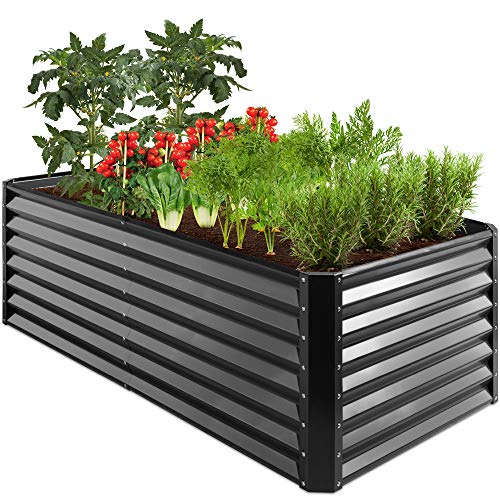
This metal raised bed features 24 inches of growing depth to accommodate medium to deep-rooting crops like broccoli and beans. The open-bottom design supports robust drainage, while the powder-coated steel panels provide weather resistance and structural stability for long-term use. Assembly is tool-free, with wingnuts and bolts included, and rubber edging adds a safety layer during setup. A bottomless construction helps air flow and soil movement, though it requires careful soil management to prevent erosion.
Best Choice Products Raised Garden Bed 48x24x32-Inch
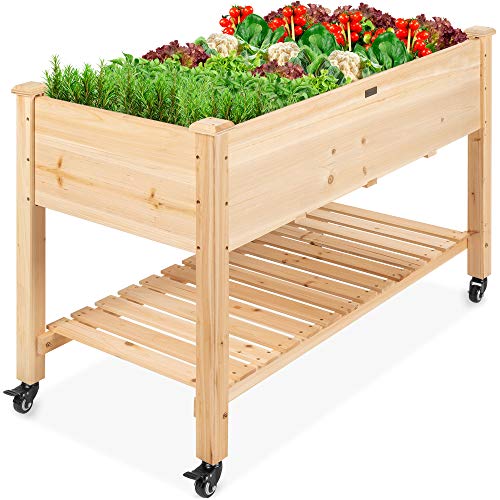
This elevated wood planter stands 32 inches tall, reducing the need to bend and strain while gardening. It includes a protective liner to shield the wood from soil contact and moisture, preserving the planter’s integrity. Locking wheels enable simple relocation to optimize sun exposure, shade, or access to water. The liner also helps prevent weed intrusion and keeps soil from contacting untreated wood, extending the bed’s lifespan and simplifying maintenance.
Best Choice Products Raised Garden Bed 48x24x30 Inches
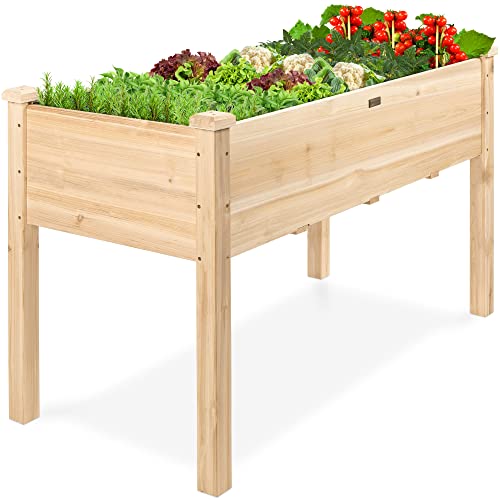
This wooden elevated planter provides a generous planting area with a long bed layout, ideal for a diverse mix of vegetables, herbs, and ornamentals. The natural Chinese fir wood offers durability and weather resistance, while the included bed liner helps manage moisture and drainage. An open base design supports efficient drainage and root access to nutrients, making it suitable for a variety of soil mixes and composting strategies.
Keter Urban Bloomer 12.7 Gallon Raised Bed

This compact, self-watering planter is designed for herbs and small output crops. It features a built-in water gauge to indicate moisture needs and a drainage system that can be opened or closed to suit different irrigation strategies. The unit’s dimensions (32.3 x 14.7 x 30.7 inches) strike a balance between ground-level accessibility and efficient use of space, ideal for patios or balconies where space is at a premium.
Best Choice Products 8x4x2ft Outdoor Metal Raised Garden Bed
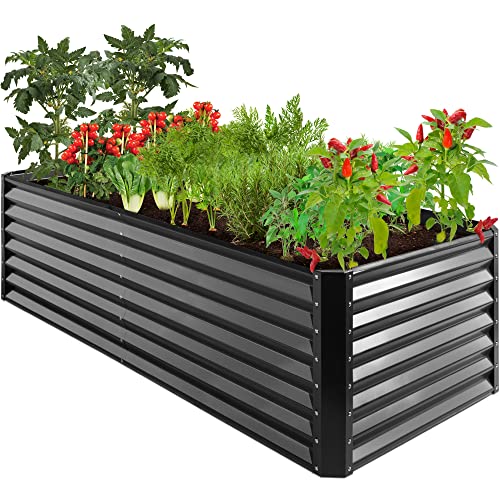
This larger metal bed provides a deep 24-inch soil depth with a substantial 478 gallon capacity, making it ideal for a broader range of vegetables and perennials. The open base design supports robust drainage and facilitates compost layering to boost soil richness. Like other Best Choice metal beds, assembly is tool-free with included wingnuts and bolts, and rubber edging enhances user safety during setup and maintenance.
Buying Guide: Key Purchase Considerations And Comparisons
Choosing the right raised bed depends on gardening goals, space, and maintenance preferences. The following considerations help compare options across materials, depth, and features:
- Material: Metal beds often emphasize durability and a modern look, but may require a bottomless design to ensure drainage. Wood beds provide natural aesthetics but need treatment against weathering. Plastic and composite options, like the Keter Urban Bloomer, offer lightweight, space-saving alternatives with integrated features like moisture gauges.
- Growing Depth: Deeper beds (18–24 inches) support crops with moderate to deep root systems, such as broccoli, beans, and leafy greens. Shallower beds are lighter and easier to move but may require more frequent soil amendments for nutrient availability.
- Drainage and Base Design: Open bases improve drainage and root access but can increase soil loss if the base doesn’t retain soil well. Lined beds help control moisture and weed intrusion, particularly in wood constructions.
- Mobility: Beds with locking wheels or compact footprints enable relocation for sun optimization or seasonal weather shifts. Consider whether wheels support permanent placement or require frequent repositioning.
- Assembly And Maintenance: Tool-free or bolt-based assembly affects setup time. Rubber edging adds safety, while protective liners extend wood lifespans by eliminating direct soil contact with the wood.
- Size And Capacity: Larger beds furnish more planting area but demand more space and soil. Smaller beds are manageable for beginners or balcony setups but may require more frequent watering and soil replenishment.
- Open-Base Versus Enclosed: Open bases promote drainage and composting versatility, yet require careful watering management. Enclosed bottoms reduce soil loss but can limit airflow and root expansion if not designed with drainage in mind.
When selecting a raised bed, align the choice with your climate, crop plans, and physical accessibility. A sturdy metal bed suits long-term durability and weather resilience, while a wooden bed combines natural aesthetics with straightforward maintenance. Compact plastic options fit tight spaces and herb gardens with built-in moisture features. Always verify fabric, liner quality, and drainage options to ensure your plants receive balanced moisture and oxygen.