Efficient irrigation starts with smart rain sensors that pause watering when nature provides enough moisture. This guide highlights top rain sensor options for sprinklers, explaining how each model detects rainfall, adjusts to weather conditions, and integrates with common controllers. Learn how to choose the right sensor for your setup, balance reliability and ease of use, and compare features that affect water savings and system longevity.
| Product | Brand | Key Feature |
|---|---|---|
| Rain Bird CPRSDBEX Wired Rain Sensor | Rain Bird | Adjustable rainfall settings, dry-out vent, automatic shutoff |
| Orbit 57069N Rain and Freeze Sensor | Orbit | Detects rain and low temperature, weather-resistant wiring |
| Hunter Sprinkler MINICLIK Rain Sensor | Hunter | Pre-set rainfall trigger, auto resume after storm |
| RainBird Wireless Rain and Freeze Sensor System | Rain Bird | Wireless operation, adjustable rainfall and temperature thresholds |
| RAINPOINT Rain Sensor | RAINPOINT | Automatic shutoff with dry-out and universal compatibility |
Rain Bird CPRSDBEX Wired Rain Sensor

The Rain Bird CPRSDBEX wired rain sensor is designed for automatic irrigation control, shutting off the sprinkler system during rainfall and restarting once conditions dry. Its adjustable rainfall settings range from 1/8″ to 3/4″, allowing homeowners to tailor turf and garden needs. A unique side vent helps the sensor dry out after collecting water, maintaining responsiveness and reducing false starts. This model is well-suited for pro-grade installations that require reliable, adjustable rain protection and straightforward upkeep.
Orbit 57069N Rain and Freeze Sensor
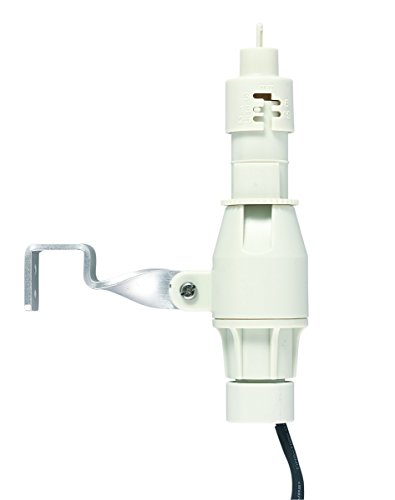
The Orbit 57069N sensor detects both rainfall and freezing conditions to automatically suspend irrigation. It features weather-resistant wiring that runs from the controller to an eave or open area, enabling reliable outdoor placement. Water-absorbing disks expand when wet, triggering the controller to pause watering. This model is advantageous for regions with variable weather, providing a straightforward approach to prevent overwatering during rain or frost risk during cold snaps.
Hunter Sprinkler MINICLIK Rain Sensor

The Hunter MINICLIK rain sensor is designed for easy installation on most automatic irrigation systems. It automatically stops scheduled irrigation when rainfall meets a pre-set threshold, then resumes once the storm passes. Its compact design makes it a practical upgrade for existing controllers, providing dependable rain-triggered interruptions with minimal wiring changes and simple manual adjustments.
Rain Bird Wireless Rain and Freeze Sensor System
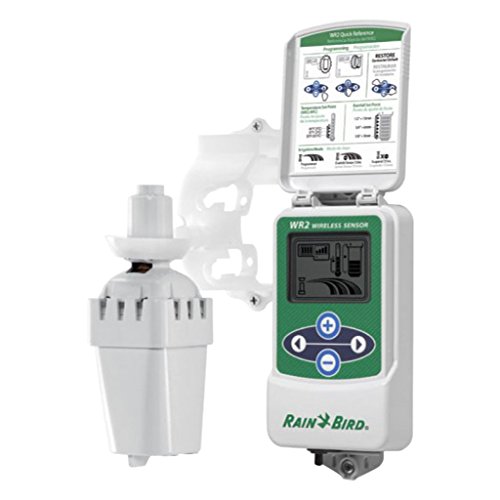
This wireless Rain Bird system adds both rain and freeze protection to irrigation. It offers an intuitive icon-driven interface for easy programming and can contribute to substantial water savings, with adjustable rainfall settings from 1/8 to 1/2 inch and low-temperature settings from 33°F to 41°F. Note that it is not compatible with certain Rain Bird ESP smart controllers, so compatibility checks are essential before purchase.
RAINPOINT Rain Sensor
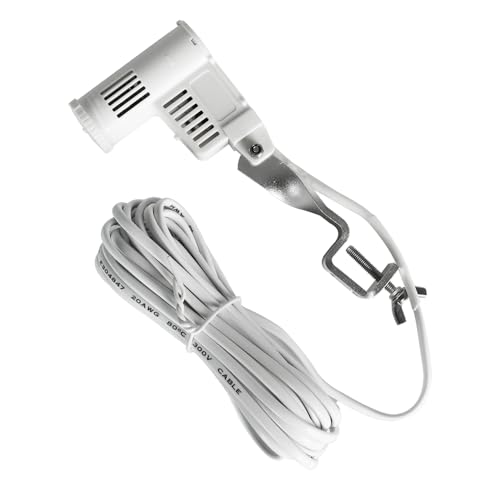
The RAINPOINT rain sensor automatically shuts off irrigation when it detects 3 mm of rainfall, reactivating only after full drying. It is marketed as universally compatible with most normally open or normally closed controllers, and installation is straightforward on eaves, walls, or fences. Its hands-free reliability and durable construction make it a practical option for homeowners seeking simple, automatic rain protection with minimal setup.
Splanteen Rain Sensor

The Splanteen rain sensor automatically interrupts watering when rain is detected and restarts irrigation after conditions improve. It is designed to prevent excessive watering and adapt to various irrigation setups with a rain detection range adjustable from 1/8″ to 1″. This flexibility makes it suitable for landscapes with differing soil types and irrigation needs, ensuring efficient water use across seasons.
Buying Guide: Key Purchase Considerations
- Compatibility: Check whether the sensor works with your irrigation controller (normally open vs normally closed wiring, and any brand-specific interfaces).
- Detection range and thresholds: Consider how precise you want rainfall detection to be (e.g., 1/8″ to 1/2″ settings) and whether you need freeze detection as well.
- Power and wiring: Wired sensors can be robust but may require professional installation, while wireless models offer easier setup but may rely on batteries or radio signals.
- Placement and drying: Look for design features like side venting or dry-out mechanisms to prevent sensor clogging and false readings after rain stops.
- Weather resistance: Outdoor exposure demands durable housings, waterproof enclosures, and temperature tolerance for year-round use.
- Ease of programming: User-friendly interfaces with clear indicators help ensure correct settings without frequent adjustments.
- Regional considerations: In freeze-prone areas, a sensor with freeze protection can minimize irrigation during cold snaps and prevent controller damage.
- Compatibility caveats: Some wireless or branded sensors may not work with certain smart controllers; verify compatibility before purchase.
- Maintenance: Some models include design features to promote drying and reduce mineral buildup, which supports long-term reliability.
- Cost vs. savings: While not a price-focused discussion, weigh the expected water savings against installation and maintenance costs to determine value.