Push hoe garden tools are essential for efficient weeding and bed preparation, especially for gardeners who want to minimize bending and strain. This guide highlights five reliable options, each suited to different lifting styles, soil conditions, and space constraints. Whether you’re a casual weed-remover, a raised-bed planner, or a professional landscaper, these tools help keep soil loose and plants thriving. The table below compares the top picks to help you choose quickly.
| Product | Best For | Length (approx.) | Material |
|---|---|---|---|
| DonSail Hoe Garden Tool | Tall gardeners; adjustable reach | 30″–60″ | Premium steel |
| Hoss Tools Push Pull Hoe | Weed removal near stems | Standard to long | Tempered steel |
| Dutch Hoe, Stainless Steel Head | Women or lighter-duty use | 51.2″ overall | Stainless steel; wood handle |
| Haliaeetus Women’s Dutch Hoe | Standing weed removal | 51″ handle | Stainless steel |
| Triangle Garden Hoe, Carbon Steel | Loosening soil; long reach | 57″ handle | Carbon steel |
DonSail Push-Pull Garden Hoe

The DonSail Push-Pull Garden Tool is designed for a safer, more efficient weeding motion. Its push-pull action reduces the need to chop at the ground, making weed roots easier to cut without harming nearby live plants. The tool is built with a robust 1.3″ diameter steel shaft for long-term durability. An adjustable length lets you set it to 30″, 43″, or 60″ to accommodate tall gardeners or those who prefer standing posture during weeding.
Best for: Tall gardeners who want an adjustable reach without bending, or beginners who value a straightforward, push-pull weeding action. It is particularly effective in mulched beds and between narrow rows where precision matters.
Caution: While sturdy, the tool’s weight may be a consideration for users with limited grip strength. Adjust the length to minimize strain and practice the push-pull motion to ensure safe use near plants.
Hoss Tools Push Pull Hoe
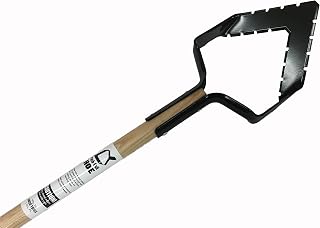
The Hoss Tools Push Pull Hoe emphasizes efficiency with a sharpened, V-shaped tempered steel blade that slices through weeds rather than hacking at soil. Its design allows weed removal close to plant stems, reducing the risk of damaging nearby vegetation. The tool’s geometry enables smooth movement across the bed, making it a strong choice for gardeners who prefer clean, consistent weed cuts without heavy lifting.
Best for: Gardeners who need a precise, aggressive weed-cutting action around delicate plantings and a blade that keeps soil disturbance minimal near stems.
Caution: The sharpened blade requires careful handling to avoid accidental contact with hands or feet when maneuvering in tight spaces.
Dutch Hoe, Stainless Steel Head With Wooden Handle

This Dutch Hoe uses a stainless steel head and a slim ash wood handle to blend durability with classic ergonomics. The polished blade reduces soil adhesion and resists rust, which helps with easy cleaning after use. It is a light-to-moderate-duty tool suitable for loose soil, edging, and cultivating around perennials. The wooden handle offers a comfortable grip for extended sessions, and its balanced design facilitates precise weed removal.
Best for: Gardeners seeking a traditional Dutch hoe with a lightweight, durable build that is comfortable for frequent, moderate-duty weeding tasks around plants and borders.
Caution: The wooden handle requires occasional oiling or care to prevent cracking in very dry conditions. Use gentle pressure to avoid splitting the wood.
Haliaeetus Women’s Dutch Hoe

The Haliaeetus Women’s Dutch Hoe is designed for standing weed removal, featuring a 51-inch long wooden handle that minimizes bending. It uses a push-pull weeding approach, allowing the tool to slice through soil and lift weeds without disturbing seedling beds. The balance and lighter weight cater to gardeners who prefer comfortable, extended use with less back strain. It also performs well in damp soil where moisture helps weed capture.
Best for: Gardeners who want to weed while standing, especially in beds with tightly spaced seedlings or borders where bending is challenging. It suits those who value an adjustable reach and a straightforward pushing action.
Caution: This model excels in moist soil; in very dry soil, weed removal may require more effort as the soil tends to be harder to cut through.
Triangle Garden Hoe, Carbon Steel

The Triangle Garden Hoe features a carbon steel construction with a long 57.5″ handle. Its angled, triangular blade design focuses power on weed removal and soil loosening with a minimal effort push-pull motion. The anti-rust coating helps extend tool life, and a padded handle end provides a more comfortable grip during long sessions. The tool is particularly effective in wide beds or large garden plots where reach and speed matter.
Best for: Users needing a long-reach tool capable of efficient digging and weed removal across broad areas. Suitable for general garden maintenance and loosening compacted soil in raised beds.
Caution: The proactive maintenance of anti-rust coating is important to maximize lifespan; store in a dry place to prevent corrosion over time.
Buying Guide: How To Choose The Best Push Hoe For Your Garden
What weed removal style do you prefer? Push-pull tools can reduce bending and provide controlled action, but blade design matters for the type of weeds you encounter—tapered blades work well on tough root weeds, while sharpened blades cut cleanly near stems. Consider bed width, soil condition, and whether you work in tight spaces or large plots.
How important is handle length? Adjustable handles offer flexibility for tall gardeners and those who want to stand while weeding. Longer handles minimize back strain, but you should still choose a comfortable grip and weight distribution to avoid fatigue.
What about material and durability? Stainless steel resists rust and is popular for longevity, but carbon steel blades tend to be sharper and more aggressive. Wood handles provide comfort, while steel shafts deliver strength. Balance and weight distribution influence ease of use over extended periods.
Which features matter most for your beds? If you garden around seedlings, a tool that spares stems while cutting weeds is key. For loose soil or large plots, tools with wider heads or sharper blades can speed up work. If you have rocky or compacted soil, a sturdy heavy-duty tool may be preferable.
Maintenance and storage are practical considerations. Clean blades after use, dry thoroughly, and apply light oil to prevent rust on metal parts. Store tools in a dry, sheltered place to maximize life span. If your tools have wooden handles, periodic conditioning can prevent cracking over time.
Frequently Asked Questions
- What is a push-pull hoe best used for? It is designed for efficient weed removal with a back-and-forth motion that minimizes bending and allows soil to loosen and weeds to be lifted with less effort.
- Are longer handles better for gardening? Longer handles reduce bending and back strain, especially for tall gardeners, but should feel balanced and comfortable in your hand to avoid fatigue.
- Should I choose stainless steel or carbon steel? Stainless steel resists rust and is low maintenance, while carbon steel blades are typically sharper and more aggressive for tougher weeds, but may require more care to prevent rust.
- Can I weed around seedlings with these tools? Yes, many models are designed to avoid damaging plant stems; blade geometry and careful technique help protect seedlings while removing weeds.
- How do I maintain a Dutch hoe? Clean residue after use, dry completely, and wipe the blade with oil if needed. Wooden handles may need conditioning to prevent cracking.
- Is a long-handled hoe better for standing work? For many gardeners, yes; standing work reduces back strain, but the right length depends on your height and the space you work in.