Verbena, with its vibrant purple and white blooms, offers enduring color for borders, groundcovers, and pollinator gardens. This guide highlights five trusted color-mixed verbena options that suit American climates, from drought-tolerant groundcovers to vibrant perennial plantings. The selections below draw from popular seed and live-plant options to help you achieve a striking purple-and-white palette across seasons.
| Product | Type | Key Benefit | USDA Zone Range |
|---|---|---|---|
| Sow Right Seeds – Mixed Moss Verbena | Seed Pack | Groundcover with varied color blooms including purple and white | 8-11 |
| New 100pcs Verbena Flower Seeds White Purple | Seed Pack | Non-GMO mix of white and purple verbena seeds | All regions for seeds |
| 2000 Purpletop Vervein Seeds | Seed Pack | Tall purple verbena (Verbena bonariensis) for dramatic borders | 7-11 |
| Set of 2 Live Lavender Verbena Plants | Live Plants | Established lavender-toned verbena for quick color | – |
| Set of 2 Light Lavender Verbena Plants | Live Plants | Soft lavender tones, compact growth | – |
Overview: The following sections spotlight five options featuring purple and white tones, suitable for beds, borders, and pollinator gardens. Each entry includes a brief product focus and guidance on placement, care, and bloom timing to help you plan a resilient, colorful verbena display.
Mixed Moss Verbena Seeds

The Sow Right Seeds Moss Verbena (Verbena tenuisecta) packs a full-color mix, with blooms ranging from pink and purple to white and rose. This drought-tolerant groundcover grows 1 foot tall with a 2- to 5-foot spread, making it ideal for edging, borders, or filling in flower beds. Germination typically occurs in 20–40 days at soil temperatures around 70–75°F. Plant 1/16 inch deep and space about 12 inches apart in full sun. This non-GMO heirloom seed option supports pollinators like butterflies and bees, contributing to a thriving outdoor space.
Key care notes: ensure well-draining soil and steady sun exposure; provide adequate water during establishment, then allow drought-tolerant behavior to shine in warm seasons. Flowers mature in 80–90 days, offering a long season of color for landscapes and containers.
White And Purple Verbena Seeds

This Seed Needs offering provides 100 white and purple verbena seeds. The package emphasizes premium seed mixtures with careful blending to balance height, color, and bloom time for a visually pleasing meadow effect across the growing season. All seeds are designed for current and upcoming growing seasons and stored to preserve quality. This option is suitable for gardeners seeking a natural, mixed-color display that can thrive in warm summers and well-lit spaces with adequate soil drainage.
Considerations: while seeds promise varied color, actual bloom colors can vary with light, soil, and climate. Germination rates may differ by region, so starting indoors or in seed trays can give you a head start before transplanting to sun-filled beds.
Purpletop Verbenas Seed Pack

Verbena Bonariensis, commonly called Purpletop Verbenas, delivers tall, stately spikes of purple blossoms that rise above dark-green foliage. This batch includes up to 2000 seeds for robust plantings in garden borders or pollinator-friendly meadows. Growth typically reaches 36 to 48 inches in height, with 12 to 24 inches between plants. It thrives in full sun with well-drained soil and performs as a tender perennial in milder zones. It is well-suited for dramatic focal lines, back borders, or as an airy backdrop in mixed plantings.
Germination and establishment can require patience, but once established these plants provide extended seasons of color. They pair beautifully with shorter lavender and white verbena varieties for a layered garden effect.
Lavender Verbena Live Plants

Set of two live lavender verbena plants offer immediate color with compact to mid-range growth habits. These plants bring lavender-toned blooms to borders and containers, with typical mature heights that work well in mid-ground displays. They prefer full sun and well-drained soil, and can be grown outdoors after last frost in cooler areas or indoors in cold seasons. The two-plant set supports a cohesive, repeated color motif along walkways or garden edges, enhancing visual rhythm with purple-tinged blossoms.
Light Lavender Verbena Plants
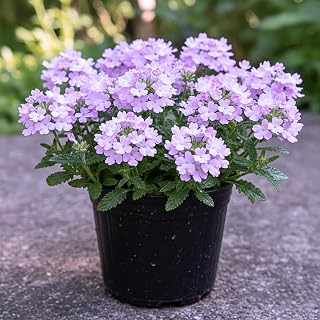
These light lavender verbena plants offer a softer color variant that pairs well with deeper purples or bright whites. They are suited for borders, containers, and partial shade in hotter climates where afternoon sun is intense. Provide well-drained soil and adequate watering during establishment to encourage steady growth and flowering. These two-plant sets are convenient for gardeners seeking a coordinated look without sourcing multiple individual plants.
Buying Guide: Verbena Color, Care, And Placement
- Light exposure: Most verbena varieties thrive in full sun. In hotter regions, ensure morning sun with some afternoon shading to prevent wilting during peak heat.
- Soil and drainage: Verbena prefers well-drained soil. Amend heavy clay with organic matter or use raised beds to improve drainage and reduce root rot risk.
- Watering: Establish plants with regular watering until roots take hold. After establishment, many verbena varieties tolerate drought but benefit from occasional deep watering during prolonged heat.
- Growth habit and spacing: Groundcover verbena works well 12 inches apart; tall verbena (Verbena bonariensis) can reach 3–4 feet with spacing of 12–24 inches to avoid crowding.
- Color strategy: Combine purples with whites for contrast. Use taller purple varieties as backdrops and shorter white or light lavender types as foreground accents to create depth in borders.
- Pollinators: Verbena flowers attract butterflies and bees. Plant a mix of seed-grown and container-grown specimens to maximize continuous bloom and pollinator visits.
- Seasonality: Seed-grown verbenas may take several weeks to establish, while live plants offer immediate color. Consider staggered planting for a longer blooming period.
- Maintenance: Deadheading can encourage ongoing flowering in many cultivars. Regularly inspect for signs of nutrient deficiency or water stress, especially in extreme heat.
- Climate adaptation: Seed varieties from seed catalogs or seed packs can perform differently depending on regional climate. For temperate zones, consider varieties known for winter hardiness or annual performance based on your local frost dates.