If you want a thriving pumpkin patch, start with the right seeds. This guide highlights five top options for American gardeners seeking reliable varieties, easy growing, and striking autumn displays. The products below are suitable for homes gardens, decorative displays, carving pumpkins, or baking pies. The buyer profiles vary from first‑time growers to seasoned planters seeking big yields or unique colors.
| Product | Best For | Key Variety Notes | Days To Maturity (Approx.) | Notes |
|---|---|---|---|---|
| Seed Needs Pumpkin Seeds for Planting Spooky Blend | Variety lovers and gift gardeners | Spooky blend includes Jack O’ Lantern, Blue Jarrahdale, Cinderella & more | 90–125 | Non-GMO, untreated; multiple varieties in one pack |
| Sow Right Seeds – Big Max Pumpkin Seeds for Planting | Carving enthusiasts and show‑off gardeners | Big Max, giant lightweight and large orange pumpkins | 110–120 | Decorative and eating uses, up to 100 lbs possible with care |
| Exotic Blue Pumpkin Seeds | 20 Seeds Packet | Colorful garden displays and unique decor | Blue Jarrahdale, matte blue-gray skin | ~100 | Authentic blue pumpkins for striking contrast |
| Seed Needs Pumpkin Seeds for Planting a Collection | Collectors and multi‑variety plots | Blue Jarrahdale, Casper White, Jack Be Little, Baby Boo, Fairytale & more | Varies | Non-GMO; includes heirloom and untreated options |
| KVITER 25 Big Max Pumpkin Seeds for Planting | Giant pumpkin enthusiasts | Big Max variety, up to 100 lbs | 100–120 | Easy sowing; large flesh for pies and baking |
Seed Needs Pumpkin Seeds for Planting Spooky Blend

The Spooky Blend from Seed Needs offers a mix of more than seven pumpkin varieties, including Jack O’ Lantern, Blue Jarrahdale, Atlantic Giant, and Cinderella. This selection is ideal for gardeners who want visual variety in a single planting package. Harvest windows range from 90 to 125 days, enabling staggered ripening and extended harvests. Place straw under maturing fruit to help prevent rot. Choose this if you want a diverse patch that supports decorative and carving pumpkins in one purchase.
Best for: collectors, decorative displays, and mixed-use harvests. Why selected: variety and storytelling potential in one seed mix. Limitation: larger pumpkins require ample space; smaller seeds grow smaller fruits and may shorten harvest dates.
Sow Right Seeds Big Max Pumpkin Seeds for Planting
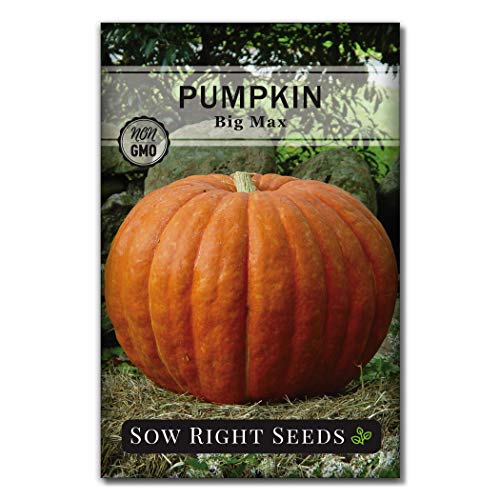
Big Max is designed for showy, oversized pumpkins perfect for carving and display. Plants can reach significant height and spread, with maturation around 110–120 days. They’re noted as decorative and edible, offering firm flesh suitable for pies and breads. This variety germinates well in warm soils and thrives in full sun, making it a robust choice for a dedicated pumpkin patch. Choose this if you want one standout giant pumpkin per plant with strong visual impact.
Best for: carving and display pumpkins that attract attention. Why selected: proven large fruit and reliable growth. Limitation: very large pumpkins require ample space and careful vine management.
Exotic Blue Pumpkin Seeds | 20 Seeds Packet

These Blue Jarrahdale seeds bring true blue pumpkins to the patch, offering a slate‑colored exterior with deep ribs. Maturity is typically around 100 days, yielding pumpkins that are ideal for fall decor and culinary uses alike. The variety is sold with a confidence guarantee, suggesting reliable seed quality. Choose this if you want a cool‑toned centerpiece for your autumn displays and a distinctive harvest for baking or pies.
Best for: striking fall displays and culinary use. Why selected: unique color and versatile usability. Limitation: color and size can vary with growing conditions; ensure full sun and consistent moisture.
Seed Needs Pumpkin Seeds Collection – Non-GMO Heirloom & Untreated

This Seed Needs collection packs a range of non-GMO heirloom and untreated Cucurbitas, including Blue Jarrahdale, Casper White, Jack Be Little, Baby Boo, Fairytale, and Jack O’ Lantern. The assortment supports a diverse planting strategy, allowing gardeners to compare flavors, colors, and uses—from decorative to culinary. Best for: gardeners who want to trial multiple varieties without purchasing separate packets. Limitation: some varieties may have different maturation times requiring planning for succession planting.
KVITER 25 Big Max Pumpkin Seeds

KVITER’s Big Max seeds are oriented toward giant pumpkin enthusiasts. The variety is described to reach sizes up to 100 lbs with dense flesh suitable for pies and baking. Vines typically reach 12–18 inches tall with a 72‑inch spread, making them manageable for larger plots with room for sprawling growth. Choose this if your goal is a single extraordinarily large fruit per plant and a dramatic fall display. Limitation: the potential for very large fruit means you’ll need ample space and careful pollination management.
Bright and Colorful Pumpkin Patch Seeding Kit

Although not one of the five primary selections, this kit from CZ Grain offers 20 mixed-color pumpkin seeds, gourds, and squash for a rainbow effect in the garden. It’s a good supplementary option for color variety and autumn display. Best for: gardeners seeking a visually diverse patch beyond classic orange varieties. Limitation: color outcomes depend on growing conditions and may vary from year to year.
Exotic Black Kat Pumpkin Seeds

Black Kat pumpkins offer a rare deep black skin with smooth texture. The variety matures to about 6–10 inches across, making them well suited for centerpieces and small decorative displays. Vines can extend up to 8–12 feet, supporting several fruits per plant. Choose this if you want a bold, dark contrast in your fall arrangements. Limitation: smaller fruit size means fewer carving options compared to larger cultivars.
Buying Guide
What should I consider when choosing pumpkin seeds?
- Purpose: Decide if your focus is carving, baking, or decorative color. Some varieties are better for display, others for flesh quality.
- Growing space: Giant pumpkins need more room for vines and fruit. Shorter varieties fit smaller plots or containers.
- Days to maturity: Plan for your local frost dates. Stagger plantings if you want a longer harvest window.
- Color and form: White, blue, black, or orange pumpkins create different decorative effects. Consider color variety if you want a mixed patch.
- Seed quality: Non-GMO and untreated seeds are common in decorative kits. Check for variety diversity and heirloom options if that matters to you.
Picking for your climate and soil
Pumpkins grow best in full sun with well-draining soil rich in organic matter. Warm soil (70–90°F) promotes faster germination. In cooler regions, start seeds indoors or wait until after danger of frost has passed for direct sowing. Mulching can help manage moisture and reduce rot around developing fruits.
Planting and maintenance tips
- Space plants wide: 4–6 feet apart is typical for many varieties to prevent crowding.
- Water deeply and consistently, especially during fruit set and maturation.
- Fertilize as needed with balanced or slightly higher phosphorus and potassium to support fruit development.
- Pollination is essential: encourage pollinators or hand-pollinate if necessary for fruit set.
Storage and harvest considerations
Harvest when fruits are fully colored and the rind is hard. Cure pumpkins in a warm, dry place for several weeks to improve storage life. Store in a cool (50–60°F), dry environment with good air circulation.
FAQ
- Which pumpkin seeds are best for carving?
Varieties like Big Max and Jack O’ Lantern are commonly chosen for carving due to their size, shape, and rind texture.
- What is the typical time to harvest pumpkins?
Most pumpkins mature in about 90 to 125 days depending on the variety and growing conditions.
- Can I plant pumpkin seeds in containers?
Yes, but choose compact or small‑to‑medium varieties and provide ample sun and a deep container for root growth.
- Are these seeds non‑GMO?
Several listed products mention non‑GMO and untreated options, but verify each product page for exact labeling.
- When should I start seeds indoors?
If you have a short growing season, start indoors a few weeks before the last frost, then transplant after danger of frost has passed.
- Which variety offers the best color for fall decor?
Blue Jarrahdale and Black Kat provide striking colors that stand out in autumn decorations.
These selections provide a broad range of pumpkin seeds to grow, from giant decorative giants to colorful, small‑to‑mid sized teaching varieties. Use the buying guide to align your patch with space, climate, and the intended harvest use. The included tables and sections help you compare the best options for your garden goals.