The right pull-behind roller can transform uneven turf, spread soil evenly, and help set new seed or sod with minimal effort. This guide reviews five popular tractor tow rollers, highlighting capacity, width, ease of use, and durability to help American homeowners choose the best option for their yard size and soil conditions. Each product below is chosen for its balance of performance and value, with clear specs to compare at a glance.
| Product | Width | Capacity | Highlights |
|---|---|---|---|
| Agri-Fab 45-0604 | 48″ | 550 lbs (water) | Durable poly drum, USA-made, plug design |
| Brinly PRT-361BH-A | 36″ | 690 lbs (water) | Easy Turn Plug, large capacity, robust build |
| Agri-Fab 18” x 24” | 24″ | Push/Tow convertible | Rustproof poly construction, versatile |
| ZeHuoGe 40″ | 40″ | 26 gallons (water) | Lightweight, push/pull/tow versatility |
| Goplus 30 Gallon | 30″ | 30 gal | Durable frame, detachable handle, rustproof |
Choosing the right roller depends on yard size, soil type, and whether you plan to fill the drum with water or sand. The five options below reflect a range of widths, capacities, and configurations to suit most residential lawns, from compact spaces to larger landscaping projects. Each entry includes a linkable title for quick reference and a visual image to help you spot the model you want in person or online.
Agri-Fab 45-0604 18″ x 48″ Tow Behind Roller

The Agri-Fab 45-0604 is designed for lawn and garden tractors, featuring an 18″ diameter by 48″ wide poly drum. With a 550-pound water-filled weight, it delivers a solid footprint to flatten uneven turf and help level soil in a broad swath. The drum is designed for durability and stability, with a sturdy steel frame. Ideal for smoothing minor mounds and improving seed-to-soil contact across medium-sized lawns. The unit is described as made in the USA, reflecting a domestic manufacturing emphasis in its construction.
Brinly PRT-361BH-A 690 lb Tow Behind Roller

The Brinly PRT-361BH-A is a 24 by 36-inch roll featuring a 690-pound capacity when filled with water or sand. A standout feature is the Easy-Turn Plug, designed to speed up filling and draining. This model is well-suited for larger yards where quicker coverage is beneficial. The wide 36-inch drum helps cover more ground per pass, making it effective for leveling larger patches, reseeding damaged areas, or packing down loose soil around sod and seed. The roller is built for tractor towing and storage when empty, combining ruggedness with portability.
Agri-Fab 18” x 24” Poly Push/Tow Roller

This compact Agri-Fab model measures 18 inches by 24 inches and converts from push to tow operation, making it adaptable for smaller spaces or gardens that require tighter turning radii. The poly construction promises rust resistance and low maintenance, while the dual-use capability supports both manual pushing and tractor towing. It’s a practical choice for homeowners with limited storage or those who need to adjust to varying yard layouts. The lighter design reduces effort for frequent repositioning in narrow strips of lawn or near flower beds.
ZeHuoGe 40″ Durable Iron Roller
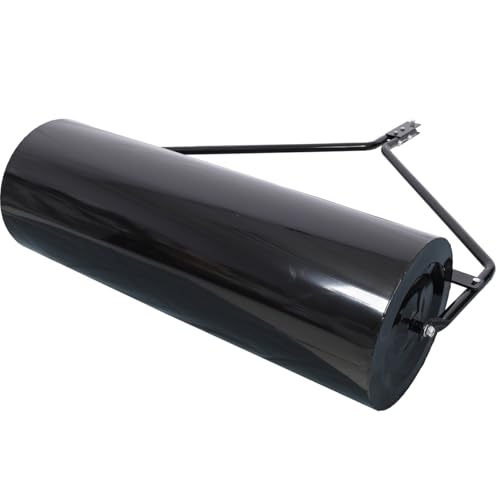
The ZeHuoGe lawn roller presents a heavier, 40-inch rolling width with a 26-gallon water or sand capacity. Its iron construction emphasizes durability while maintaining a reasonable weight for towing behind a standard tractor. The model combines a push/pull advantage with easy tow integration, making it versatile for both tight edging tasks and broader lawn restoration. Its lighter weight relative to some all-metal options helps with storage and handling for typical residential use.
Goplus Lawn Roller Push/Tow Behind

The Goplus model is a versatile 30-gallon roller with a durable frame and a detachable gripping handle, allowing for easy pushing or towing behind a tractor. Powder-coated finishes offer rust resistance, and the removable drain plug simplifies filling and emptying. The 30-gallon capacity is a practical middle ground for homeowners who want enough ballast for effective compaction without the bulk of larger rollers. This option suits mid-sized lawns or projects that involve seeding, sod, or leveling in patches across a yard.
Buying Guide
Key purchase considerations help align the roller with yard size, soil condition, and maintenance preferences. Consider the following perspectives to balance effectiveness, cost, and practicality:
- Width and capacity: Wider rollers cover more ground per pass but can be harder to maneuver in tight spaces. A mid-range width (30-40 inches) suits many suburban lawns, while 48 inches or more is efficient for large areas.
- Material and durability: Poly drums are rust-resistant and lighter than iron, while metal rollers offer robust durability for heavy soils and frequent use. For coastal or humid regions, rust resistance is particularly important.
- Weight and water capacity: Filling with water increases weight for better compaction but adds handling effort and refilling time. Some models support sand as an alternative ballast. Always verify weight limits for your tractor’s hitch and clearance.
- Push vs. tow capability: Push-to-tow versatility is helpful for small lawns or seedbed work, whereas dedicated tow-behind models excel for larger areas. Convertible designs provide flexibility but may cost more.
- Ease of use and maintenance: Quick-fill/empty plugs save time, while powder-coated or coated drums resist rust. Check for drain plugs and simple disassembly for cleaning and storage.
- Application scenarios: Rolling after seeding or sod installation helps improve seed-to-soil contact, flatten mole damage, and compact loose soil. For uneven slopes, test gradual passes to avoid creating overly compact soil in one area.
When selecting a roller, compare the five options above for your yard’s scale, soil type, and storage constraints. For lawns with clay soils, a wider, heavier model may yield faster, more uniform leveling. For smaller or ornamented areas, a narrower roller with easy maneuverability could be the practical choice. A model with a reliable filler/drain system reduces downtime between passes and maintenance needs over the season.